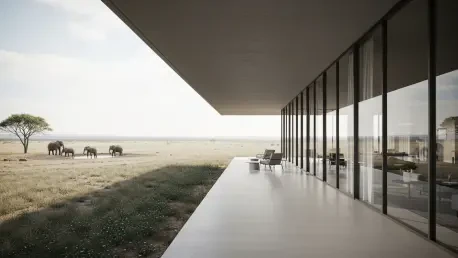

The San Diego Zoo Safari Park has recently unveiled its most ambitious and sophisticated project to date, a transformative environment known as Elephant Valley. This initiative represents a significant shift in how modern zoological institutions approach animal habitats, moving away from passive observation toward active participation and profound emotional connection. The importance of this project lies in its ability to blend high-end hospitality with rigorous scientific research, providing a sanctuary that serves both the resident animals and the global community. By reimagining the traditional safari experience, the park addresses the urgent need for heightened awareness regarding endangered species through a direct and visceral lens.
The scope of this timeline highlights the strategic evolution of the habitat, moving from its conceptual beginnings to its grand opening as a global conservation hub. It explores how architectural innovation, cultural integration, and widespread community support converged to create a world-class destination. In a world where African savanna elephants face increasing threats from habitat loss and human conflict, Elephant Valley emerges as a critical platform for education and advocacy. It serves as a living proof that modern tourism, when executed with precision and purpose, can become a powerful force for ecological preservation and long-term wildlife survival.
The Chronological Evolution of a Conservation Landmark
2023: The Vision and Foundation of Elephant Valley
The journey toward redefining the safari experience began with the conceptualization of a habitat that would mirror the vast, rugged landscapes of the African savanna. During this foundational phase, the San Diego Zoo Wildlife Alliance focused on securing necessary resources while designing a space that prioritized the complex social and biological needs of the herd. Engineers and conservationists collaborated to plan a massive 240,000-gallon watering hole and intricate pathways, ensuring the environment would act as a living laboratory for future research. This period set the stage for a massive infrastructure project designed to balance high-tech monitoring with a naturalistic aesthetic.
2024: Community Support and Global Advocacy Efforts
As construction progressed, the project gained significant momentum through a dedicated community of over 5,200 individual donors. This period was marked by a surge in public engagement, as the alliance highlighted the endangered status of African savanna elephants to emphasize the project’s existential urgency. The funding secured during this time allowed for the integration of advanced health monitoring technologies and the development of immersive educational programs. This phase demonstrated that the success of Elephant Valley was not merely a feat of engineering, but a collective movement supported by thousands of people committed to the survival of the species.
March 2026: The Grand Opening of an Immersive African Savanna
The official unveiling of Elephant Valley in March 2026 marked a historical turning point for the San Diego Zoo Safari Park. Visitors were introduced to a revolutionary design featuring an overhead pedestrian bridge and a unique passageway that allowed them to walk alongside and even beneath the massive elephants. This layout was specifically intended to replicate natural wildlife corridors, offering a perspective on the size and majesty of the animals that was previously unattainable in a traditional zoo setting. The opening transformed the park into a site where humans could enter the elephants’ world, fostering a deep sense of empathy and understanding.
Late 2026: Integration of Culture and Culinary Excellence at Mkutano House
Following the initial opening, the park expanded the guest experience by fully activating Mkutano House, a two-story culinary and cultural hub. This addition moved the safari experience beyond animal viewing by incorporating the human element of conservation. Guests were treated to African and global flavors while watching the herd interact at the central watering hole. By introducing traditional Samburu artistry, music, and dance, the park successfully linked the survival of wildlife to the prosperity of human communities. This created a holistic narrative that resonates with a modern, socially conscious audience looking for depth in their travel experiences.
Analyzing the Impact of Architectural and Social Shifts
The most significant turning point in this timeline is the transition from a traditional enclosure to an immersive “wildlife corridor” design. This architectural shift has redefined industry standards by proving that guest proximity does not have to compromise animal welfare; instead, it can enhance it by fostering a stronger public commitment to protection. The overarching theme of Elephant Valley is the “ecosystem engineer” concept, highlighting how elephants maintain their environments and how humans must play a role in that balance.
A notable pattern observed throughout this evolution is the move toward “participatory conservation,” where the visitor’s presence directly funds and informs global research. While the project has successfully addressed immediate educational needs, it also opens the door for future exploration into how data gathered in San Diego can be applied to mitigate human-elephant conflict in Africa. This synergy between a local exhibit and global field work represents a new gold standard for zoological institutions worldwide, creating a loop where education fuels action.
Expert Perspectives on the Future of Symbiotic Habitats
The success of Elephant Valley is often attributed to its focus on “empathy-driven design,” a methodology that uses physical space to trigger emotional responses in visitors. Experts in the field note that by placing humans beneath the massive frames of the elephants, the park humbles the viewer, effectively stripping away the “spectator” barrier. Regional differences in conservation are also addressed through the inclusion of “talking sticks” and other cultural artifacts, which remind guests that conservation is a global effort rooted in local traditions and indigenous knowledge.
Common misconceptions about modern safaris often suggest that they are purely for entertainment. However, Elephant Valley challenges this by functioning as a high-tech research facility where health monitoring and social dynamics are studied around the clock. The fusion of high-end hospitality at Mkutano House with serious scientific inquiry ensures that the project remains financially sustainable while fulfilling its mission. This multi-sensory approach—combining sight, sound, taste, and education—ensured that the legacy of the African savanna elephant was secured for generations through a more connected and informed global public.