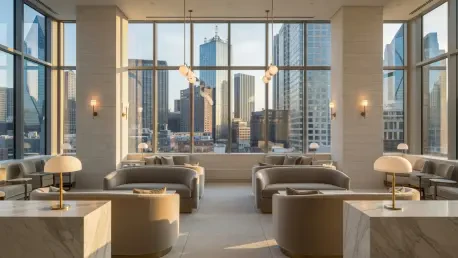

The arrival of the Dallas EDITION marks a profound shift in the Texas hospitality landscape, challenging the historical dominance of massive convention-style hotels with a more intimate and design-focused approach. Located in the vibrant heart of Uptown, this property represents a high-profile collaboration between Marriott International and boutique hotel pioneer Ian Schrager, signaling that Dallas has officially transitioned into a global hub for sophisticated travelers. By choosing this city for its first Texas location, the brand is validating the region’s growing appetite for cultural relevance and aesthetic depth, moving beyond the traditional “bigger is better” philosophy that has long characterized the local market. This development is not merely a new place to stay; it is a calculated entry into a competitive pipeline, designed to bridge the gap between high-end service and a personalized lifestyle experience. The city’s evolution into a top-tier destination for affluent domestic and international visitors is now anchored by a brand that prioritizes atmosphere and curated details over sheer scale.
Architectural Sophistication: The Shift Toward Residential Intimacy
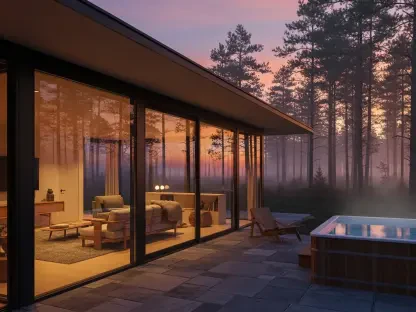
The design philosophy behind the Dallas EDITION represents a stark departure from the standard corporate aesthetic found in many of the city’s legacy luxury properties. Instead of the typical grand, cavernous lobbies and repetitive room layouts, the interiors utilize a sophisticated palette of neutral tones, tactile materials, and custom-designed lighting to evoke the feeling of a high-end private residence. This boutique scale is intentional, offering an intimate environment that feels more like an exclusive apartment building than a transient hotel. By focusing on quality over quantity, the property provides a sense of sanctuary that stands in direct contrast to the sprawling 1,000-room towers located just a few blocks away in the central business district. Every element, from the choice of stone in the bathrooms to the soft curves of the custom furniture, is curated to ensure that the guest experience remains grounded in comfort and modern elegance rather than industrial efficiency.
Central to this architectural approach is the concept of social architecture, which seeks to turn the hotel into a bridge between global travelers and the local community. The lobby is not treated as a functional space for check-ins but is reimagined as a vibrant living room for the city, where the boundaries between guests and residents are blurred. Integrated into a walkable, mixed-use development, the building features expansive windows and suites that are strategically oriented to frame the rapidly expanding Dallas skyline and the lush greenery of nearby urban parks. This ensures that the property does not exist as an isolated island but as a natural extension of the Uptown urban landscape. By fostering a high-energy, street-level atmosphere, the hotel creates a dynamic ecosystem that encourages social interaction. This design strategy ensures that the building remains a focal point for the neighborhood, providing a visual and social anchor that enhances the area’s overall prestige.
Culinary Innovation: Creating a Destination Beyond Lodging
One of the defining features of the brand’s strategy is its commitment to turning the hotel into a premiere culinary destination that caters specifically to the local population. The property hosts chef-driven restaurant concepts that aim to compete with the city’s most established fine-dining institutions by blending global culinary techniques with high-quality regional Texas ingredients. These venues are designed to be high-concept hubs that attract the city’s professional and fashion-conscious crowds, ensuring that the hotel remains relevant long after the guests have checked out. This focus on gastronomic excellence moves the property beyond the traditional hotel dining model, which often prioritizes convenience over creativity. By creating restaurants that serve as social magnets, the EDITION successfully embeds itself into the cultural fabric of Dallas, making it a central player in the city’s competitive dining scene. The result is a vibrant atmosphere that hums with energy regardless of occupancy rates.
The lifestyle experience is further enhanced by a sophisticated nightlife program that capitalizes on the “see and be seen” culture of the Uptown district. With multiple bars, including a signature lobby lounge and an elevated rooftop space, the hotel offers some of the most sought-after views in the city. These venues are not just amenities for overnight visitors; they are curated environments that host high-profile social events and provide a backdrop for the city’s elite. The rooftop space, in particular, serves as a glamorous escape, offering panoramic vistas of the Dallas skyline that few other properties can match. This emphasis on nightlife and social programming ensures that the hotel maintains a high level of cultural visibility. By providing spaces that are as much about the atmosphere as they are about the service, the property effectively targets a demographic that values social prestige and exclusivity. This approach solidifies the hotel’s reputation as a hub for modern luxury and entertainment.
Economic Disruption: Challenging the Traditional Luxury Guard
The emergence of this lifestyle-luxury niche comes at a time when Dallas leads the nation in hotel construction activity, creating a highly saturated and competitive marketplace. Within this environment, the EDITION acts as a significant disruptor, forcing established five-star competitors like the Ritz-Carlton or JW Marriott to re-evaluate their own service models and design aesthetics. The presence of such a prestigious brand serves as a definitive marker of the city’s economic maturity, proving that the North Texas market can sustain the same level of sophistication found in coastal hubs like New York or Los Angeles. This shift is attracting a new class of investors and developers who are now looking to Dallas as a viable location for unconventional high-end projects. The economic ripple effect of this development is substantial, as it encourages surrounding businesses to elevate their own standards to match the expectations of the affluent travelers that the brand naturally attracts to the Uptown neighborhood.
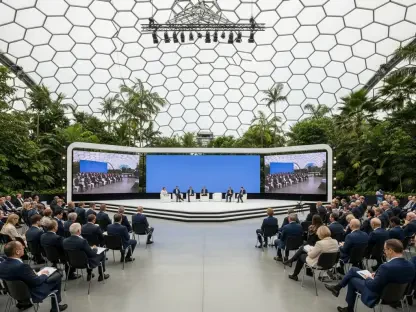
Beyond its appeal to leisure travelers, the property is strategically positioned to capture high-impact corporate demand from firms looking for more than just a boardroom. Executive retreats, product launches, and luxury brand activations are increasingly moving away from traditional hotel ballrooms in favor of design-forward venues that offer a more curated and intimate backdrop for business. As a member of the Marriott Bonvoy portfolio, the Dallas EDITION also provides a massive logistical advantage by tapping into a global network of loyal high-spending travelers. Its proximity to Dallas Love Field and the central business district makes it an ideal choice for executives who require both efficiency and an elevated environment. The hotel’s ability to blend these corporate requirements with a high-energy lifestyle component gives it a unique edge in the market. This dual appeal ensures a diverse revenue stream, protecting the property against fluctuations in any single travel segment and cementing its long-term financial viability.
Strategic Evolution: Setting a New Template for the Region
The success of the Dallas EDITION has provided a clear roadmap for future luxury hospitality developments across the state of Texas. Industry analysts observed how the property moved the conversation away from sheer capacity toward curated experiences and social integration. Competitors began to pivot their strategies, focusing more on high-concept design and chef-driven dining rather than just adding more rooms to their inventories. This evolution indicated that the modern luxury traveler no longer prioritized traditional amenities over a sense of place and cultural relevance. As a result, the project served as a catalyst for a broader maturation of the city’s hospitality profile, encouraging a more diverse range of boutique and lifestyle brands to enter the North Texas market. The property demonstrated that a hotel could function as a cultural institution, a social hub, and a world-class lodging facility simultaneously, effectively setting a new standard for what constitutes a premier urban destination in the region.
To maintain this leadership position, hospitality providers in similar urban markets should look toward deeper integration with local artisans and culinary talent to ensure their properties feel authentic to their surroundings. Future developments must prioritize social architecture that invites the local community into the space, creating a self-sustaining ecosystem of energy and prestige. For the traveler, the next step involves seeking out properties that offer high-level loyalty integration without sacrificing the unique, independent feel of a boutique hotel. Investors and developers should prioritize mixed-use integration, ensuring that luxury hotels are connected to walkable, high-density environments that provide a constant flow of foot traffic and local engagement. The model established here proved that the most successful luxury properties are those that function as an extension of the guest’s lifestyle rather than just a temporary accommodation. Moving forward, the industry is expected to see a continued rise in these curated environments that value atmosphere and connection above all else.