
The recent and unprecedented surge in petroleum prices across Pakistan has fundamentally altered the landscape of national mobility, leaving both commuters and commercial operators struggling to keep pace with the rapidly escalating costs of travel. Following a substantial increase of Rs55 per liter, the transportation sector witnessed an immediate and sharp adjustment in fare structures, with many operators implementing hikes of up to 20 percent to remain viable. Intercity bus services, which serve as the backbone for middle-income travelers, adjusted their rates almost overnight. For instance, the journey from Islamabad to Lahore via premium services like Faisal Movers saw a jump from Rs2,050 to Rs2,600. Similar trends emerged on routes connecting the capital to Peshawar and Muzaffarabad, while long-distance travel from the southern hub of Karachi to northern destinations now commands prices as high as Rs7,500. These shifts represent a significant financial burden for the average citizen who relies on these networks for work and family visits.
Economic Ripples in the Freight and Local Transit Sectors
Beyond the passenger bus industry, the impact of these fuel adjustments radiated through the broader logistics network, significantly affecting the cost of moving essential commodities across the country. The Pakistan Goods Transport Alliance announced a 20 percent increase in freight rates, citing the dual pressure of rising diesel prices and the escalating costs of imported spare parts. This systemic rise in shipping costs is poised to accelerate national inflation as retailers pass these expenses onto consumers for everyday items. At the local level, residents in the Islamabad-Rawalpindi metropolitan area faced similar challenges, as taxi and rickshaw drivers raised their fares by 20 percent to offset their daily operating losses. The lack of standardized pricing in the informal transit sector has led to frequent disputes between passengers and drivers, highlighting the volatility of an economy heavily dependent on imported fuel. This situation has forced many families to reconsider their daily commute and overall spending.
Aviation and Railway Adjustments: Looking Toward Sustainable Solutions
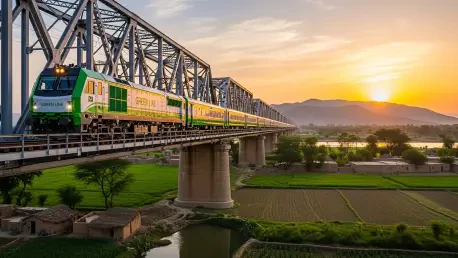
The state-owned Pakistan Railways and the domestic aviation sector also adapted to these harsh fiscal realities by revising their pricing models to ensure continued service delivery. Effective March 9, 2026, the railway administration introduced tiered fare increases, applying a 5 percent hike for economy class and a 10 percent rise for air-conditioned compartments. Meanwhile, domestic airlines faced extreme volatility in aviation fuel prices, leading to frequent ticket price adjustments that made air travel a luxury for many. As these changes coincided with the high-demand Eid holiday season, the financial strain on the public reached a critical point. Consequently, policymakers recognized that traditional subsidies were no longer sustainable. Stakeholders shifted their focus toward long-term strategies, such as investing in a more robust electric vehicle infrastructure and modernizing the national rail grid to reduce dependency on fossil fuels. Transitioning toward these energy-efficient alternatives emerged as the most viable path to securing the nation’s future mobility.