
The completion of a thirty-four million dollar renovation at the Grand Hyatt DFW signals a transformative shift in how international transit hubs accommodate the modern high-frequency traveler. Far from being a mere place to rest between connecting flights, the property has successfully integrated high-end architectural aesthetics with sophisticated technical infrastructure within the confines of Terminal D. This massive investment addresses a growing demand for seamless transitions between the chaotic environment of a major international airport and the quiet luxury of a corporate-focused sanctuary. By expanding its inventory to three hundred and fifteen guestrooms and suites, the hotel has demonstrated a commitment to capacity and refinement that mirrors the rapid growth of the Dallas-Fort Worth metroplex as a global business center. The project, which reached full implementation during the current year, focuses on a cohesive narrative of aeronautical elegance and digital efficiency, ensuring that every guest interaction feels intentional.
Reimagining the Guest Experience Through Design and Automation
Precision Engineering in Living Spaces
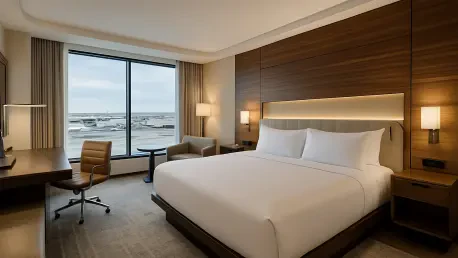
Within the newly expanded collection of guestrooms, the influence of modern aviation design is apparent through the use of stitched leather headboards and integrated ambient lighting systems that mimic the soft curves of premium cabin interiors. These aesthetic choices are underpinned by a layer of smart technology intended to provide guests with an unparalleled level of environmental control. Occupancy-sensing thermostats utilize advanced motion and thermal detection to maintain optimal temperatures while reducing energy consumption when rooms are vacant. Furthermore, the installation of automated blackout shades allows travelers to override their natural circadian rhythms, a vital feature for those crossing multiple time zones. The lighting systems offer customizable presets, enabling users to switch from high-intensity work modes to relaxed evening atmospheres with a single touch. Every room retains its expansive window views, offering a front-row seat to the intricate choreography of the active airport runways.
Sophisticated Infrastructure and Wellness Facilities
The physical footprint of the hotel has been strategically reconfigured to prioritize accessibility and modern lifestyle needs, most notably seen in the relocation of the fitness center. Now situated on the first floor, the state-of-the-art gym features an array of high-performance equipment, including Peloton bicycles that allow travelers to maintain their personalized workout routines while on the road. This focus on physical well-being extends into the guest bathrooms, which have been completely overhauled with enlarged vanities and high-pressure modern fixtures that provide a spa-like experience within the transit environment. Meanwhile, the iconic rooftop pool continues to serve as a primary leisure destination, offering a unique juxtaposition of aquatic relaxation against the backdrop of the busy airfield. These upgrades reflect a broader trend in hospitality where the distinction between a transit hotel and a luxury destination is increasingly blurred through the use of high-quality materials.
Elevating Business Connectivity and Culinary Standards
The Future of Corporate Gatherings: Innovative Event Spaces
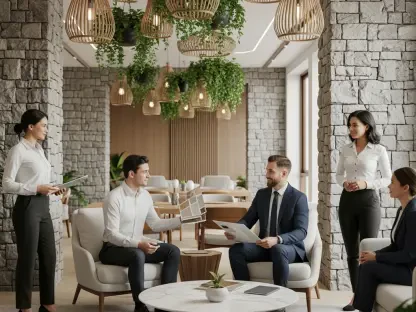
Business and event capabilities have reached a new zenith with the modernization of twenty thousand square feet of versatile meeting space, designed to cater to high-stakes corporate requirements. The addition of a top-floor executive boardroom provides a secluded environment for sensitive discussions, while the innovative indoor and outdoor flight-deck event space offers panoramic views of the entire airfield. This particular venue leverages its unique location to create a memorable atmosphere for product launches and high-profile networking events. With a six thousand six hundred square foot ballroom equipped with the latest audiovisual technology, the facility is now better positioned to compete with traditional downtown convention centers. These technical facilities are supported by high-speed fiber-optic connectivity and on-site support staff, ensuring that digital presentations and global broadcasts are executed without interruption. The result is a dedicated professional hub for international business.
Culinary Fusion and Strategic Travel Solutions
The gastronomic landscape of the property was redefined through the evolution of the Grand Met restaurant, which successfully blended global fusion cuisine with a modernized, upscale atmosphere. This culinary hub focused on seasonal and artisanal menus that catered to a diverse international palate, while the adjacent lounge provided a sophisticated venue for professional social interaction. As the renovation reached its conclusion, it became clear that the project established a new benchmark for airport hospitality by prioritizing the intersection of luxury and utility. Moving forward, travelers and corporate planners alike should view these integrated facilities as a blueprint for high-efficiency travel that does not sacrifice personal comfort. To maximize the benefits of such a sophisticated environment, visitors were encouraged to utilize the mobile check-in systems and personalized lighting presets to tailor their stay. Future developments in this sector will likely continue to emphasize biometric integration.