
Navigating the vibrant streets of a Mexican metropolis often reveals a striking economic paradox where a five-peso metro ticket sits in stark contrast to the high-dollar reality of maintaining a private luxury vehicle. For expatriates planning a move to Mexico in 2026, understanding the intricacies of the local transportation landscape is not merely an exercise in budgeting, but a fundamental step in determining where and how they will live. While the general perception of Mexico involves a lower cost of living, transportation serves as a unique sector where global market forces and local government subsidies collide, creating a dual-tier system that can either significantly drain or surprisingly preserve one’s financial resources. This dynamic requires a sophisticated approach to mobility, moving beyond simple currency conversions to grasp the structural differences in urban infrastructure and regional logistics.
The decision to relocate to Mexico often stems from a desire for a more balanced lifestyle, yet mobility remains a primary trade-off between fiscal economy and personal comfort or security. Whether an individual chooses to embrace the sprawling, high-capacity rail networks of the capital or opts for the insulation of a private SUV, these choices ripple through every aspect of their daily experience. In 2026, the current state of Mexican transportation reflects a system in transition, increasingly digitized and more interconnected than ever before. This analysis provides an in-depth exploration of the diverse mobility options available, the specific costs associated with each, and the strategic considerations that allow residents to navigate the country efficiently and safely.
The Financial Structure of Mexican Mobility
The Gap Between Public and Private Infrastructure
The foundational economic driver for any foreign resident in Mexico is the massive disparity between public, state-supported transit and the private market for vehicle ownership. Public transportation systems in major cities like Monterrey, Guadalajara, and Mexico City are heavily subsidized, reflecting a social commitment to affordable mobility for the general population. For an expat, this means that opting for public transit can reduce monthly transportation overhead to a negligible fraction of what it would be in a North American or European city. These systems are designed to move millions of people daily at a price point that remains accessible even to those with very limited incomes, creating an opportunity for car-free living that is both viable and incredibly inexpensive.
Conversely, the transition to private vehicle ownership immediately subjects the expat to international pricing standards, and in some cases, even higher costs due to import duties and specific local taxes. The purchase price of a new or used vehicle in Mexico does not typically offer the same “discount” found in the housing or services sectors; instead, it aligns with global supply chain pricing. When one adds the recurring costs of insurance, which is legally mandatory and priced according to risk and vehicle value, the financial profile of the car-owning expat begins to resemble that of a resident in a much more expensive country. This creates a “double reality” where two households with the same income can have vastly different quality-of-life outcomes based solely on their reliance on a private car versus the public grid.
Fuel Costs and the Influence of Domestic Taxation
The price of fuel in Mexico is a critical variable that often surprises new arrivals who expect oil-producing nations to offer cheaper gasoline. In the current 2026 market, regular gasoline prices have maintained a steady range between 24 and 26 pesos per liter, which translates to a significant expense for those accustomed to the subsidized fuel markets of some neighboring regions. This pricing is dictated largely by the Special Tax on Production and Services (IEPS), a fiscal mechanism the government uses to manage revenue and influence consumption. Because fuel is a major input for almost all commercial activity, these prices also indirectly influence the cost of everything from grocery deliveries to the base fares of ride-hailing services and traditional taxis.
For the expatriate driver, this means that fuel efficiency is not just an environmental consideration but a vital budgetary one. Driving a large, petrol-heavy SUV in a congested urban environment like Mexico City or Guadalajara can quickly become a primary financial burden, as idling in traffic consumes fuel at an alarming rate. Furthermore, the lack of a “bargain” at the pump means that long-distance travel by car must be carefully weighed against other options like Mexico’s high-end bus network or domestic flights. Understanding that fuel is a high-cost commodity in the Mexican economy allows residents to make more informed decisions about vehicle types and the necessity of certain trips, ensuring that their mobility remains sustainable within their broader financial plan.
Urban Public Transportation Systems
Metro and Bus Rapid Transit in Major Cities
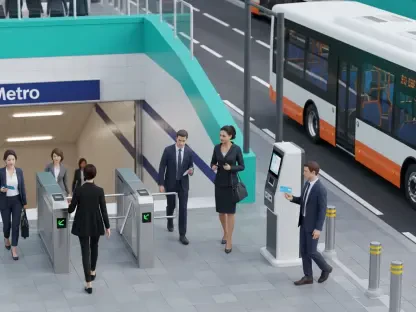
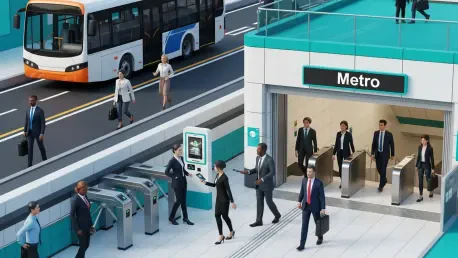
Mexico City’s transit system remains the gold standard for high-volume, low-cost urban mobility, anchored by a Metro network that is as iconic as it is efficient. With a flat-fare model that has famously resisted significant inflation, a single ride remains roughly 5 pesos, allowing a passenger to travel from one end of the city to the other with unlimited transfers within the station network. This makes the Metro an indispensable tool for the budget-conscious expat, though it requires a certain level of comfort with dense crowds during peak hours. For those living near a station, the Metro offers a level of predictability in travel time that is often superior to driving through the capital’s legendary traffic jams.
Supplementing the heavy rail system is the Metrobús, a Bus Rapid Transit (BRT) network that operates in dedicated lanes, effectively bypassing the gridlock that plagues standard vehicular traffic. Charging 6 pesos per trip, the Metrobús provides a slightly more modern and ventilated experience compared to the older Metro lines. In addition to these, the Cablebús aerial cable car system has revolutionized travel for those living in the city’s more mountainous peripheries, offering breathtaking views and efficient transport for about 7 pesos. These integrated systems, alongside trolleybuses and light rail, form a comprehensive grid that allows a resident to navigate one of the world’s largest cities for just a few dollars a week, provided they are willing to adapt to the rhythm of public transit.
Regional Transit Trends and Digital Payments
Outside of the capital, other major hubs have made significant strides in modernizing their public transit infrastructure to meet the demands of a growing population. Guadalajara, for instance, has demonstrated a strong commitment to fare stability, maintaining its primary transit costs at approximately 11 pesos through 2026 to encourage continued ridership. Meanwhile, in the southeastern city of Mérida, the “Va y Ven” system represents a shift toward a more European-style transit model, focusing on punctuality, air-conditioned units, and a digital-first payment structure. With fares around 12 pesos, these regional systems offer a high level of service that makes the prospect of car-free living increasingly attractive to expats settling in these secondary cities.
A key development in 2026 is the nearly universal adoption of stored-value cards and digital payment systems across all major urban centers. Gone are the days of fumbling for small change; systems like the Integrated Mobility Card in Mexico City now allow users to seamlessly transition between the Metro, Metrobús, and even bike-sharing programs with a single tap. This shift toward a cashless environment has improved safety and efficiency, although it requires expats to stay diligent about topping up their balances at kiosks or through mobile apps. For those with formal residency status, these systems often offer additional benefits, such as discounted rates for seniors, further enhancing the affordability of these modern transit networks.
The Role of Secondary Transit and Local Vans
In areas where the massive rail and BRT lines do not yet reach, a secondary layer of transportation composed of concessioned buses and “combis” (shared vans) fills the critical gaps. These vehicles are often privately owned but operate under state regulation, serving as the connective tissue for neighborhoods that are too narrow or remote for large-scale infrastructure. While these options are generally less comfortable and may lack the air conditioning of the newer systems, they are essential for reaching residential pockets and local markets. In the current year, fares for these services have seen modest adjustments, typically ranging between 7.5 and 9.5 pesos depending on the length of the route and the type of vehicle.
For the expat, using these smaller vans and microbuses requires a bit more local knowledge, as routes are often indicated by handwritten signs in the windshield rather than digital displays. However, they offer a level of frequency and geographic coverage that formal systems cannot match. Navigating the “combi” network is often seen as a rite of passage for new residents, providing an authentic look into the daily lives of the local population. While they may not be the primary mode of transport for everyone, they represent a vital fallback option and a very inexpensive way to explore the deeper reaches of Mexican cities without the need for a private taxi or ride-hailing service.
Private Mobility and Ride-Hailing
Apps and Traditional Taxi Services
For many expatriates, ride-hailing applications like Uber and Didi have become the default choice for daily mobility, offering a balance of convenience, safety, and price transparency. In 2026, these services continue to thrive in Mexican cities, providing a familiar interface for those who may not yet be comfortable navigating the public transit system. While these rides are generally more affordable than their counterparts in the United States, they are subject to the volatility of “dynamic pricing.” During heavy summer rains, rush hour, or major cultural festivals like Day of the Dead, prices can escalate rapidly, sometimes tripling the cost of a standard trip and catching the unwary budgeter off guard.
Traditional street taxis still play a significant role in the urban landscape, though their use among the expat community is often more selective. Reliability and safety can vary between different taxi syndicates, leading many to rely on “Sitio” taxis, which are dispatched from a fixed, authorized stand rather than hailed randomly on the street. These “Sitio” services often charge a slightly higher flat rate or use a pre-negotiated fare, providing an added layer of security and accountability. For those who prefer not to use apps or are in areas with poor cellular reception, having the phone number of a trusted local taxi stand is an essential part of the modern expat toolkit, ensuring reliable transport at all hours.
Airport Logistics and Premium Transport
Transportation to and from major international airports in Mexico exists in a category of its own, characterized by specific regulations and a different pricing structure. Most airports utilize a zone-based system for authorized taxis, where passengers purchase a ticket at a designated booth inside the terminal before heading to the vehicle. In 2026, a ride from a major hub like Benito Juárez International in CDMX or the Guadalajara airport to the city center can easily cost several hundred pesos. This premium reflects the high demand for secure, direct transport and the various airport fees that drivers must pay to operate within these federal zones.
While ride-hailing apps are sometimes permitted to pick up passengers at airports, the regulations are often in flux, sometimes requiring travelers to walk to a specific designated area outside the terminal gates. For the newly arrived expat with multiple pieces of luggage, the authorized airport taxi remains the most stress-free option, even if it represents one of the most expensive single trips they will take. Some expats also opt for private car services or “shuttles” offered by relocation companies, which provide a more personalized experience. Regardless of the choice, budgeting for these higher-cost airport transfers is necessary for anyone who travels frequently for business or to visit family back home.
Intercity Travel Strategies
Luxury Buses and Domestic Aviation
Traveling between cities in Mexico is often more efficiently accomplished by using the country’s world-class intercity bus network rather than driving a private car. The system is tiered to cater to different budgets, with the “Executive” or “Luxury” classes offering amenities that rival international business-class flights. These top-tier buses feature massive reclining seats, individual entertainment screens, and complimentary refreshments, making a five-hour journey between Querétaro and Mexico City a comfortable and productive experience. In 2026, these luxury fares typically range from 500 to 1,500 pesos, providing a level of service that is significantly more economical than the combined cost of fuel and tolls for a solo traveler.
For longer distances, Mexico’s domestic aviation market is highly developed and competitive, with low-cost carriers like Volaris and VivaAerobus offering frequent flights between major hubs and popular coastal destinations. While base fares can be incredibly low—sometimes comparable to a bus ticket—expats must be mindful of the “hidden” costs of flying. These include baggage fees, seat selection charges, and the inevitable cost of transportation to and from airports that are often located far from city centers. Furthermore, airfares in Mexico are highly seasonal; prices can skyrocket during peak periods such as Semana Santa (Easter week) or the December holidays, requiring residents to book well in advance to secure the best rates.
The Highway System and Toll Costs
Expats who choose the flexibility of driving between states must navigate a highway system split between “Cuota” (toll) and “Libre” (free) roads. The Cuota roads are privately managed and generally represent the safest and fastest way to travel, featuring superior paving, emergency services, and bypasses for small towns. However, these tolls are not insignificant; a long-distance road trip can accumulate several thousand pesos in fees, which must be factored into the travel budget alongside fuel. In 2026, many frequent travelers use electronic toll tags (like IAVE or Televía) that can be linked to a credit card, allowing for seamless passage through toll booths and often providing a slight discount or better tracking of expenses.
In contrast, the Libre roads offer a more scenic and cost-free alternative, but they come with significant drawbacks for the time-conscious traveler. These routes often wind through numerous small villages, each equipped with “topes” (high-impact speed bumps) that significantly slow progress and increase wear and tear on the vehicle. Furthermore, Libre roads are generally two lanes and may not be as well-lit or maintained as the toll alternatives, leading most expats to prefer the Cuota system for any significant distance. The choice between these two systems is essentially a choice between time and money, with the Cuota being the consensus standard for those prioritizing safety and efficiency on the Mexican road.
The Costs of Private Vehicle Ownership
Maintenance, Insurance, and Regulations
Owning a car in Mexico involves a complex set of ongoing expenses that go far beyond the initial purchase price. While basic labor for routine maintenance like oil changes or brake work is generally more affordable than in the U.S., the cost of specialized parts can be a major hurdle. Because a significant portion of automotive components are imported, major repairs for European or luxury American brands can be as expensive as, or even more expensive than, in their home markets. In 2026, many expats find that owning a vehicle that is locally manufactured or has a massive domestic presence—such as Nissan, Volkswagen, or Chevrolet—is the most strategic way to ensure that parts are readily available and reasonably priced.
Insurance and regulatory compliance also add to the recurring financial burden of vehicle ownership. Auto insurance is not only a practical necessity but a legal requirement, and premiums are influenced by the high theft rates in certain urban areas. Additionally, cities like Mexico City enforce the “Hoy No Circula” program, which restricts the use of certain vehicles on specific days based on their emissions and age. To ensure daily mobility without these restrictions, many expats are forced to invest in newer models or hybrid/electric vehicles, which carry a higher upfront cost but offer long-term regulatory peace of mind. Keeping up with annual registration (tenencia or refrendo) and emissions testing (verificación) is a mandatory part of the car-owning experience that requires both time and money.
Parking and Urban Logistics
In the dense urban environments where many expats choose to live, finding a place to put a car can be as challenging as driving it. Many older apartment buildings in central neighborhoods do not include dedicated parking spaces, forcing residents to rent a spot in a private garage or “pensión.” These monthly fees can add a significant amount to the transportation budget, often ranging from 1,000 to 2,500 pesos depending on the neighborhood’s desirability and security features. Even for those with a garage, daily life involves navigating the “Viene-Vienes”—informal parking attendants who claim sections of the street and expect a small tip for “watching” the car while the owner runs errands or dines out.
Valet parking is also a ubiquitous feature of the Mexican middle- and upper-class experience, with most restaurants and shopping centers offering the service for a fee plus a tip. While this adds convenience, it also increases the total cost of any outing and introduces a small element of risk regarding vehicle handling. For the expat, these micro-expenses—tips for attendants, valet fees, and public parking garage rates—can quietly accumulate, turning what seemed like a simple drive across town into a multi-step financial transaction. This logistical complexity is one of the primary reasons many residents eventually decide that a car-free or car-light lifestyle is a more attractive option in Mexico’s major cities.
Regional Variations in Transportation
Tourism Zones and Rural Realities
The cost and availability of transportation change dramatically as one moves from the industrial hubs of the north to the tourism-heavy regions of the south. In popular expatriate and tourist destinations like Los Cabos, Cancun, or Playa del Carmen, the transportation market is often heavily influenced by the high spending power of short-term visitors. In these areas, taxi rates are notoriously high and are sometimes quoted in U.S. dollars, creating a pricing environment that feels disconnected from the rest of the country. Expats living in these zones often find that owning a private vehicle is almost mandatory to avoid the “tourist tax” associated with every local trip, as public transit may be limited to worker shuttles that are not convenient for general residential use.
In rural areas and small mountain towns, the challenge is not high prices but rather the lack of options. In these regions, formal public transit is non-existent, and residents must rely on their own vehicles or the infrequent service of local “combis.” While the overall cost of living in a small village might be significantly lower, the cost of mobility often increases because a car is the only way to access healthcare, large supermarkets, or government offices in larger towns. Furthermore, the rugged terrain in many parts of rural Mexico can lead to higher maintenance costs for vehicles, as tires and suspension systems are pushed to their limits on unpaved or poorly maintained roads. This regional nuance is a vital consideration for anyone choosing a location based on a specific budget.
Border Dynamics and Cross-State Travel
Cities located along the U.S.-Mexico border, such as Tijuana or Ciudad Juárez, operate within a unique economic bubble where fuel prices and vehicle availability are closely tied to the California, Arizona, or Texas markets. In 2026, these areas often benefit from different federal tax subsidies on gasoline to prevent residents from crossing the border to fill their tanks, leading to fuel prices that can be more competitive than those in the interior of the country. However, the heavy traffic at border crossings and the high demand for cross-border logistics can make local mobility frustrating and time-consuming. Expats in these zones often maintain “Sentri” or “Global Entry” passes to facilitate more efficient movement between the two countries.
Traveling between different states also brings varying degrees of road quality and safety considerations. For example, the highways connecting the industrial “Bajío” region (including cities like San Miguel de Allende and Querétaro) are among the best in the country, facilitating easy and relatively inexpensive movement for both business and leisure. In contrast, traveling through more remote or mountainous states like Guerrero or Michoacán requires more careful planning and a preference for daylight travel on major toll roads. Understanding these regional differences allows an expat to tailor their transportation strategy to the specific part of Mexico they call home, ensuring that they are not surprised by the local costs or logistical hurdles of their particular environment.
Building a Mobility Budget
Profile of the Urban Minimalist
The “Urban Minimalist” profile represents an increasingly popular choice for expats who prioritize integration and cost-efficiency. By choosing a residence in a central, walkable neighborhood like Roma or Condesa in Mexico City, or Colonia Americana in Guadalajara, these residents eliminate the need for a private car entirely. Their daily routine involves walking to local cafes and markets, supplemented by the Metro or Metrobús for longer trips across the city. On weekends or for evening social events, they utilize Uber or Didi, which provides a high level of safety and door-to-door convenience without the overhead of ownership.
In 2026, an Urban Minimalist can expect to spend between 1,200 and 2,500 pesos per month on transportation, depending on how frequently they use ride-hailing services. This budget is remarkably low and allows for significant savings that can be redirected toward travel, dining, or higher-quality housing. The key to this lifestyle is the strategic selection of a home located near high-capacity transit lines, which serves as a force multiplier for their mobility. For many, the lack of responsibility for car maintenance, insurance, and the stress of navigating heavy traffic is a massive boost to their overall quality of life in Mexico.
Profile of the Suburban Professional
At the other end of the spectrum is the “Suburban Professional,” who typically lives in a gated community (fraccionamiento) on the outskirts of a major city or in a region where public transit is insufficient. This profile is defined by a heavy reliance on a private vehicle for almost every daily task, from commuting to an office to taking children to school or visiting a specialized gym. Because these residents are often driving on toll roads and frequently filling their tanks with high-cost gasoline, their transportation budget is a major line item in their monthly financial planning.
The monthly cost for a Suburban Professional in 2026 can easily range from 8,000 to 15,000 pesos or more. This estimate includes not only fuel and tolls but also the amortized costs of insurance, maintenance, and the rapid depreciation of vehicles driven in high-traffic urban areas. While this profile offers maximum flexibility and a high degree of personal comfort, it requires a much larger financial cushion. For many expats, this is a necessary expense driven by the location of their work or the needs of their family, but it highlights the fact that the “affordable Mexico” narrative does not always apply to those who insist on a car-centric lifestyle.
Future Considerations for Strategic Relocation
As the transportation landscape in Mexico continues to evolve through 2026, the most effective way for expatriates to manage their costs is through the proactive selection of their living environment. The trend toward urbanization and the expansion of digital transit networks suggest that those who embrace public and shared mobility will continue to see the greatest financial benefits. Prospective residents should research the proximity of potential homes to “puntos de movilidad” (mobility hubs) and evaluate the walkability of their chosen neighborhood before committing to a lease or purchase. This geographical strategy remains the single most impactful factor in determining the long-term sustainability of a relocation budget.
Furthermore, as Mexico pushes toward more sustainable infrastructure, the adoption of electric vehicles and bikes is becoming a more viable alternative for those who still want personal autonomy. While the initial investment in an electric car or e-bike is higher, the savings on fuel and the exemption from many urban driving restrictions make it an increasingly attractive middle ground between the Urban Minimalist and the Suburban Professional. By staying informed about local regulations and emerging transit technologies, expats can navigate the complex economics of Mexican mobility with confidence, ensuring that their move to the country is both a financial and personal success. Ultimately, Mexico offers a spectrum of choices that can accommodate almost any budget, provided the resident is willing to align their lifestyle with the realities of the local grid.