
The rapid transformation of Riyadh into a premier global destination for both business and leisure has been accelerated by significant hospitality investments and strategic cross-border alliances. As the Kingdom of Saudi Arabia continues its aggressive push toward economic diversification, the hospitality sector has emerged as a cornerstone of the national strategy. Hyatt’s recent expansion through high-stakes partnerships represents more than just a growing room count; it signifies a fundamental shift in how the city is positioned on the world stage. By aligning with local investment powerhouses, the hotel giant is integrating itself into the urban fabric of Riyadh, ensuring that its presence supports the broader goals of Vision 2030. This evolution is marked by a sophisticated blend of international brand prestige and deep-rooted local expertise, creating a unique environment where traditional Saudi hospitality meets modern luxury standards. The impact of these developments is already being felt across the city’s expanding districts, as new properties begin to redefine the skyline and the expectations of global travelers.
Catalyzing Urban Sophistication Through High-Profile Ventures
The Integration: Global Luxury and Local Heritage
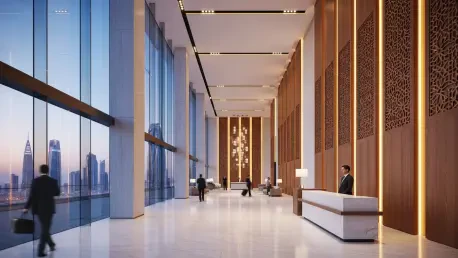
The collaboration between Hyatt and Al Khozama Investment serves as a blueprint for how international hospitality leaders can navigate the specific cultural nuances of the Saudi market. This partnership has facilitated the introduction of tailored luxury experiences that resonate with both domestic travelers and an increasing number of international executives arriving in the capital. By leveraging local insights, the brand ensures that architectural designs and service protocols respect regional customs while maintaining the high standards expected of the Park Hyatt or Grand Hyatt names. These efforts are particularly visible in the meticulously designed communal spaces that encourage social interaction in a manner consistent with local values. The resulting synergy creates a welcoming atmosphere for diverse guests, blending the familiar comforts of a global chain with the distinct flavors of Riyadh’s cultural heritage.
Furthermore, this synergy allows for a more rapid scaling of operations without sacrificing the bespoke quality of the guest experience. The integration of local supply chains into the hotel operations has not only streamlined logistics but also provided a platform for Saudi artisans and service providers to showcase their work to a global audience. This approach creates a symbiotic relationship where the hotel acts as a gateway for cultural exchange, benefiting the local economy beyond the hospitality sector. As these properties open their doors, they establish new benchmarks for what luxury looks like in a modern Middle Eastern context, effectively redefining the hospitality landscape for years to come. The emphasis on localized luxury ensures that every guest interaction feels authentic and grounded in the city’s unique identity, rather than appearing as a generic corporate template.
Strategic Infrastructure: Beyond Traditional Accommodations
The expansion into the King Abdullah Financial District represents a pivotal moment for Riyadh’s commercial infrastructure, as Hyatt strategically places its properties at the heart of the city’s economic engine. These developments are not merely places to stay; they are being designed as comprehensive business ecosystems that offer cutting-edge meeting facilities and collaborative workspaces. The presence of brands like Andaz in these districts provides a lifestyle-oriented alternative to traditional corporate lodging, appealing to a younger generation of tech-savvy professionals and entrepreneurs. This strategic positioning ensures that the hospitality sector is directly linked to the city’s financial growth, making luxury hotels indispensable to the daily operations of international commerce. Such integration is vital for attracting multinational corporations that require high-end, reliable infrastructure for their regional headquarters.
Moreover, the development of these sites focuses on connectivity and urban integration, ensuring that guests have seamless access to the city’s burgeoning transit systems and cultural hubs. By prioritizing mixed-use developments, Hyatt and its partners are contributing to a more walkable and vibrant urban environment. The focus on high-density, high-quality projects helps to optimize land use in a rapidly growing metropolis, setting a precedent for future urban planning. As Riyadh continues to expand, these properties will serve as vital nodes in the city’s infrastructure, supporting both the influx of visitors and the needs of the local business community. This holistic approach to development ensures that the benefits of the hospitality boom are shared across the urban landscape, creating a more sustainable and accessible city for residents and tourists alike.
Socioeconomic Implications: The Ripple Effect of Hospitality
Workforce Development: Cultivating Domestic Talent
A critical component of Hyatt’s growth strategy in the region is its commitment to the “Saudization” of the workforce, which involves intensive training and professional development for local citizens. These partnerships have led to the creation of specialized hospitality academies and vocational programs designed to equip Saudi youth with the skills necessary for high-level management roles. By focusing on long-term career paths rather than entry-level positions, the company is fostering a new generation of hospitality leaders who will carry the industry forward. This investment in human capital is essential for the sustainability of the sector, ensuring that the growth in tourism translates into tangible benefits for the local population. It also helps to build a domestic talent pool that understands both global standards and local cultural expectations.
In addition to formal training, these initiatives provide valuable exposure to international best practices and global service standards. Employees are given the opportunity to participate in exchange programs and cross-training at various Hyatt properties worldwide, broadening their professional horizons. This focus on domestic talent cultivation not only meets regulatory requirements but also enhances the authenticity of the guest experience, as local staff provide a genuine connection to the culture of the region. As the hospitality labor market matures, the influence of these training programs will likely extend beyond individual hotels, elevating the overall quality of service across the entire Kingdom. The long-term impact of this workforce development will be a more resilient and professionalized service sector that can compete on an equal footing with established global markets.
Technological Innovation: Defining the Guest Experience
The deployment of advanced hospitality technologies was a central feature of the new partnerships, focusing on enhancing guest convenience and operational efficiency. From AI-driven personalized recommendations to seamless contactless check-in systems, the new properties set a high bar for digital integration in the service sector. These innovations allowed for a more responsive and customized stay, where the hotel environment could adapt to the specific preferences of each visitor in real-time. By utilizing big data and predictive analytics, Hyatt and its local partners identified emerging trends and adjusted their offerings to stay ahead of the curve, ensuring that the guest experience remained both modern and relevant. This proactive approach to technology proved essential in meeting the demands of a modern, connected traveler who values both efficiency and personalization.
Ultimately, the strategic alliances formed in Riyadh successfully transformed the city into a sophisticated hub of luxury and innovation. The projects prioritized sustainable building materials and energy-efficient systems, which reduced the environmental footprint of the expanding hospitality sector. Stakeholders recognized that the integration of luxury services with economic goals provided a resilient framework for future growth. The resulting infrastructure supported a surge in international tourism and established a new standard for global business travel. As these developments reached completion, the focus shifted toward maintaining excellence and exploring new opportunities for collaboration within the evolving regional market. Moving forward, the city will likely see a continued emphasis on integrating smart city technologies with hospitality services to ensure that Riyadh remains a competitive and attractive destination.