
Katarina Railko brings a wealth of expertise to the global travel and tourism sector, having refined her skills through years of navigating the intricacies of high-end hospitality. As a prominent voice in the luxury events and entertainment space, she possesses a keen eye for how cultural identity and architectural design intersect to create world-class guest experiences. In this discussion, we explore the ambitious transformation of the Sofitel Rio de Janeiro Ipanema, examining how this upcoming flagship property harmonizes the timeless elegance of the French Riviera with the vibrant, sun-drenched energy of Brazil.
The conversation delves into the strategic integration of local art and “quiet luxury,” the sensory impact of the building’s unique 360-degree views, and the operational logistics of maintaining a boutique feel within a grand flagship. We also look at the innovative “Meeting Residence” concept for corporate events and the evolving role of luxury hotels as social hubs that bridge the gap between international travelers and the local Carioca community.
The design merges French elegance with the vibrant “Carioca” spirit of Rio through specific Brazilian art and furniture selections. How do you balance these distinct cultural identities without one overshadowing the other, and what specific steps are taken to ensure the luxury feels authentic rather than ostentatious?
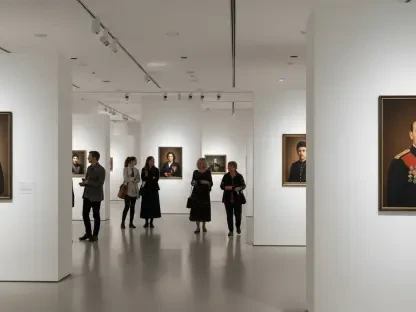
Achieving this balance requires a very disciplined approach to “quiet luxury,” where the focus remains on comfort and sophistication rather than flashy displays. We utilize a curated selection of Brazilian design legends, such as furniture by Oscar Niemeyer and Sergio Rodrigues, to ground the property in local heritage while maintaining a refined French silhouette. To ensure authenticity, we integrate natural textures inspired by the sand, sea, and sky, using Brazilian ceramics and warm sunset tones that feel organic to the setting. By avoiding gold-leafed opulence and instead focusing on sculptural pieces by Hugo França or panels by Heloisa Crocco, the luxury manifests through artistry and craftsmanship. This “French Zest” meets “Carioca Soul” dialogue ensures that the French savoir-faire acts as a frame for the vibrant, tactile reality of Rio de Janeiro.
Being the tallest structure in Ipanema offers a unique 360-degree perspective of the ocean and the Dois Irmãos hills. How does this architectural height influence the guest’s sensory experience, and what were the primary challenges in integrating such a prominent building into the existing neighborhood rhythm?
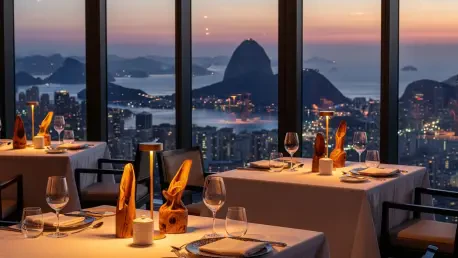
The height of the building fundamentally shifts the guest’s perspective from being merely a spectator of the beach to being immersed in the entire topography of the “Marvelous City.” Standing as the tallest structure in the area, the hotel provides a panoramic sensory experience where the visual scale of the Atlantic Ocean meets the dramatic silhouettes of the Dois Irmãos hills. Integrating such a dominant vertical presence into the low-rise rhythm of Ipanema required a design that felt light and connected rather than monolithic. We addressed this by wrapping the first three floors in glass façades and creating dual entrances on Avenida Vieira Souto and Rua Maria Quitéria to maintain a physical and visual flow with the street. This ensures the building breathes with the neighborhood, acting as a vertical landmark that remains grounded through its active, transparent base.
Haute cuisine is a central pillar, featuring a Michelin-starred signature restaurant on the 22nd floor. In a city known for its informal beach culture, how do you manage the transition between high-end fine dining and the relaxed atmosphere of a beachfront club to ensure a cohesive guest journey?
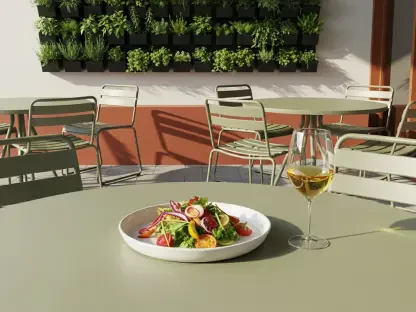
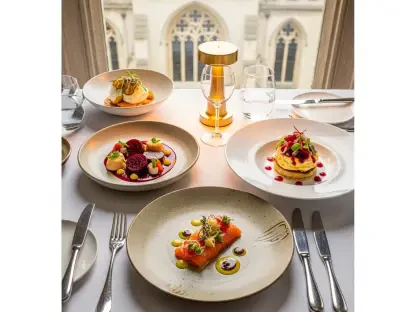
The transition is managed through a multi-layered culinary journey that spans four distinct venues, allowing the guest to move naturally between different moods. On the ground floor, the beachfront restaurant and bar with direct street access embrace the spontaneous, barefoot elegance of Ipanema, serving as a social bridge between the city and the hotel. As the guest ascends, the atmosphere becomes more intimate and refined, culminating in the 22nd-floor signature restaurant led by a Michelin-starred chef. We maintain cohesion by ensuring that even our highest-level dining remains infused with the “Carioca” spirit of joy and spontaneity, avoiding stuffiness while prioritizing excellence. This way, a guest can enjoy the high-energy Beach Club during the day and transition into a sophisticated, panoramic dinner without feeling a disconnect in the brand’s identity.
The executive lounge model on the 21st floor aims to create a “boutique-hotel” environment with dedicated butler service. Can you elaborate on the logistics of providing this level of personalized attention at scale and how this strategy impacts the long-term loyalty of high-tier international travelers?
The Club Millésime on the 21st floor is designed to function as a “hotel within a hotel,” providing a sanctuary for 172 rooms and suites while focusing on the highest loyalty tiers. Logistics rely on a highly trained team of dedicated butlers who act as the single point of contact, streamlining everything from personalized check-ins to bespoke local itineraries. This level of intimacy is rare in larger flagship properties, but it is essential for the discerning traveler who seeks both the security of a global brand and the soul of a boutique stay. By offering exclusive access and highly personalized recognition, we build an emotional bond with the guest that transcends a standard room booking. This strategy is a cornerstone for long-term loyalty, as international travelers increasingly value time-saving, intuitive service that anticipates their needs before they even ask.
The “Meeting Residence” concept on the third floor moves away from traditional ballrooms toward a more intimate, residential aesthetic for corporate gatherings. What are the practical advantages of this approach for modern business events, and how do you integrate state-of-the-art technology without disrupting the sophisticated atmosphere?
The “Meeting Residence” concept reflects a shift in corporate culture where people prefer environments that foster genuine connection rather than cold, cavernous conference halls. By designing the entire third floor with a residential aesthetic, we provide a warm, sophisticated backdrop that encourages creativity and more fluid communication among attendees. The practical advantage is a more flexible layout that feels like a private estate, making it ideal for high-level board meetings or intimate product launches. We integrate state-of-the-art technology by concealing hardware within the furniture and decor, ensuring that screens and audio systems are available at the touch of a button but invisible when not in use. This “invisible tech” approach allows the focus to remain on the human interaction and the refined architectural details of the space.
Glass façades and multiple street-level entrances are designed to connect the property with its urban surroundings. What are the operational trade-offs when opening luxury spaces to the local public, and how do you measure the success of a hotel as a social hub for both residents and tourists?
Opening a flagship luxury property to the public requires a delicate balance between high-security standards and a welcoming, inclusive atmosphere. The operational trade-off often involves increased foot traffic and the need for more robust guest relations teams at the street-level entrances to manage the flow between residents and hotel guests. We measure success not just through occupancy rates, but through the “social resonance” of our public spaces—specifically the ground-floor bar and the Beach Club. If locals are choosing our bar for their afternoon coffee or evening cocktails, it signifies that the hotel has successfully integrated into the fabric of the city. A true social hub is a place where the barrier between “tourist” and “local” disappears, creating a vibrant, authentic energy that benefits everyone involved.
What is your forecast for the luxury hospitality market in Rio de Janeiro?
I believe Rio de Janeiro is entering a new golden era of hospitality where the focus is shifting from pure volume to deep cultural authenticity and “quiet luxury.” With projects like the transformation of the Sofitel Ipanema, we are seeing a significant commitment to elevating the city’s global standing through refined architectural interventions and Michelin-level gastronomy. My forecast is that we will see an increase in “lifestyle-driven” luxury, where high-net-worth travelers seek out properties that act as gateways to the local soul rather than isolated fortresses. As the city continues to leverage its natural beauty and vibrant cultural DNA, it will solidify its position as the premier luxury destination in Latin America, attracting a more discerning, environmentally and culturally conscious global traveler.