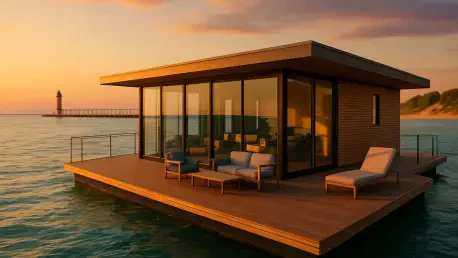

The tranquil ripples of Lake Michigan have long served as a backdrop for traditional vacations, but a revolutionary shift in the regional hospitality market is currently redefining how travelers engage with the Great Lakes shoreline. In the bustling harbor of South Haven, a new category of “floating cabins” has emerged, effectively bridging the gap between luxury real estate and maritime adventure. These structures are not merely boats, nor are they typical cottages; they represent a high-stakes evolution in tourism that prioritizes immersive sensory experiences over static land-based lodging. As travelers increasingly seek out hidden gems that offer more than just a place to sleep, the demand for these specialized aquatic dwellings has surged, challenging the dominance of conventional hotels and short-term rentals. This trend reflects a broader cultural desire for authentic, location-specific stays where the environment itself dictates the pace of the journey. By positioning visitors directly on the water, these accommodations offer a unique perspective on the Michigan coast, turning a simple weekend getaway into a profound reconnection with nature’s rhythms.
Architectural Innovation and the Floating Lifestyle
Modern Amenities: A Maritime Twist
The architectural philosophy behind these floating cabins centers on the seamless integration of residential stability with the fluid nature of a harbor setting. Unlike traditional houseboats that may require guests to possess significant nautical expertise or handle complex navigation systems, these units are designed to remain stationary, providing a secure and user-friendly environment for those unfamiliar with seafaring life. The interiors are meticulously crafted to mirror high-end mainland residences, featuring full-scale kitchens with modern appliances, expansive bathrooms, and climate-controlled bedrooms that ensure comfort regardless of the external weather. This commitment to structural familiarity allows visitors to enjoy the novelty of living on the water without sacrificing the conveniences of a modern home. The design utilizes heavy-duty flotation systems that minimize the sensation of movement, providing a grounded experience that still benefits from the proximity to the gentle, rhythmic sounds of the surrounding lake.
The Floating Lifestyle: Stability and Transparency
Living directly on the water acts as a cognitive reset for the modern traveler, offering a specialized environment that encourages mindfulness and relaxation. One of the most frequently cited benefits of this lifestyle is the transparency between the digital promise and the physical reality of the stay; guest feedback consistently emphasizes that the properties are exactly as presented in high-resolution marketing materials. This honesty in representation builds a foundation of trust, allowing visitors to arrive with high expectations that are routinely met by the reality of the private decks and panoramic views. The cabins are oriented to maximize exposure to the famous Lake Michigan sunsets, providing a curated visual experience that is often unavailable from land-locked rentals obstructed by dunes or foliage. By removing the physical barriers between the guest and the water, these structures facilitate a more honest and direct connection with the environment, rewarding the curiosity of those who seek a deeper maritime experience.
The Allure of South Haven
Coastal Beauty: Small-Town Charm and Grandeur
The success of the floating cabin model is deeply intertwined with the unique geographical and cultural landscape of South Haven, Michigan. Situated on the eastern shore of Lake Michigan, this town is celebrated for its sprawling, sandy beaches and the remarkably clear quality of its water, which often takes on a turquoise hue reminiscent of coastal tropical regions. South Haven maintains a delicate balance between being a premier destination for natural grandeur and preserving its identity as a lovable, boutique community. Unlike some of the more heavily commercialized tourist hubs along the Great Lakes, South Haven offers a quintessential American lakeside atmosphere where the scale of the buildings and the pace of life remain human-centered. The floating cabins capitalize on this by providing a front-row seat to the harbor’s daily activity, allowing guests to witness the arrival of local fishing vessels and the graceful movement of sailboats from the comfort of their own living space.
Harbor Integration: Connecting Water to the Community
The strategic placement of these aquatic rentals ensures that the transition between the seclusion of the water and the energy of the town is nearly effortless. Most cabins are positioned within an easy walking distance or a short bicycle ride from the vibrant downtown area, which is populated by a diverse array of independent boutiques, art galleries, and locally-owned restaurants. This proximity allows travelers to experience the region as temporary residents rather than isolated tourists, as they can easily fetch fresh pastries in the morning or enjoy a fine-dining experience in the evening before returning to the silence of the docks. The infrastructure of South Haven supports this integrated lifestyle, with well-maintained paths and a welcoming atmosphere that encourages exploration beyond the immediate waterfront. This connectivity transforms the harbor from a mere parking spot for boats into a central nervous system for the vacation experience, linking the tranquility of the lake with the social fabric of the community.
Operational Excellence and Guest Management
Service Efficiency: Personalization Through Physical Presence
In an era where many vacation rentals are managed through faceless automated platforms, the local management of South Haven’s floating cabins stands out due to a commitment to physical presence and personalized service. Bluewater Vacation Rentals maintains a dedicated office on Ash Street, ensuring that help is always nearby and that the staff has an intimate, firsthand knowledge of the properties they oversee. This operational model allows for a level of responsiveness that digital-only competitors cannot replicate, from providing extra linens to offering expert advice on local fishing spots. Management representatives are known for their hands-on approach, often personally assisting guests with the logistics of their arrival and ensuring that the specific needs of each group are addressed promptly. By prioritizing human interaction and local expertise, the agency ensures that the operational side of the stay is as smooth as the water on a calm summer morning, fostering a professional relationship built on reliability.
Administrative Clarity: Managing Expectations and Policies
While the physical experience of a floating cabin is designed for relaxation, the administrative framework governing these stays is defined by professional rigor and transparent communication. Prospective guests are provided with detailed rental agreements and clear cancellation policies long before their arrival, a practice that prevents friction and ensures that all parties are aligned regarding financial and behavioral expectations. This professional oversight extends to the maintenance of the cabins themselves, with strict cleaning protocols and regular safety inspections that uphold high industry standards. The agency’s focus on administrative transparency is a crucial component of the luxury experience, as it removes the uncertainty often associated with peer-to-peer rental markets. By maintaining a clear set of rules and a professional office environment, the management team protects the integrity of the guest experience, ensuring that the focus remains on the beauty of the lake rather than the logistics of the transaction.
Adaptive Accommodation for Diverse Travelers
Group Dynamics: Accommodating Large-Scale Gatherings
One of the most distinctive features of the floating cabin market in South Haven is its ability to scale the experience to accommodate diverse group sizes, from intimate pairs to large multi-family reunions. Some properties are engineered to host up to 15 guests, making them a rare and highly sought-after resource for those planning significant social events or collaborative vacations. The layout of these larger units often includes communal gathering spaces that encourage social interaction, while still providing enough private bedrooms to ensure that every individual has their own sanctuary. The harbor environment adds another layer of versatility, as nearby amenities like communal swimming pools and stocked fishing ponds provide safe and engaging activities for children and teenagers. This makes the floating cabin an ideal hub for families who want to share a unique experience without the cramped quarters often found in traditional hotels or smaller lakeside cottages.
Romantic Privacy: Curating Intimacy on the Water
For travelers seeking a more low-energy and high-romance retreat, the floating cabin provides a curated atmosphere that is difficult to replicate in any other setting. The natural privacy afforded by the water, combined with the sensory experience of the morning mist and the evening fog rolling in over the pier, creates a secluded environment that feels worlds away from the mainland. Couples can enjoy their morning coffee on a private deck with nothing but the sound of gulls and the water lapping against the hull, creating a sense of isolation that is both luxurious and grounding. The management team often assists in tailoring these stays by providing recommendations for local wineries or arranging for bicycle rentals to facilitate quiet rides along the shoreline. This duality of being able to host either a high-energy group or a quiet romantic getaway is a testament to the flexibility of the floating cabin model, ensuring it meets the specific emotional and social needs of every visitor.
Strategic Planning for the Great Lakes Voyager
Seasonal Wisdom: Timing the Michigan Visit
Successful navigation of the Lake Michigan travel market requires a strategic understanding of seasonal patterns and their impact on both the environment and the local economy. While the peak months of July and August offer the most consistent weather and a plethora of local festivals, they also bring the highest density of tourists and premium pricing. Consequently, many seasoned travelers have begun to prioritize the shoulder seasons of late spring and early autumn, which offer a different set of rewards including cooler temperatures and a more tranquil atmosphere. During these periods, the changing foliage provides a dramatic backdrop for the harbor, and the thinner crowds allow for a more leisurely exploration of the town’s attractions. Even the winter months have developed a niche following among those seeking total solitude, as the sight of the frozen lake and the stark beauty of the snow-covered docks provide a unique, contemplative experience for the adventurous traveler.
Regional Preparation: Essential Gear and Local Flavors
Maximizing the utility of a floating cabin stay involves both physical preparation and an appetite for local exploration beyond the immediate waterfront. Travelers who arrived with practical gear, such as water shoes for the docks and high-quality polarized sunglasses to mitigate the lake’s glare, often found their daily activities significantly more comfortable. A light, waterproof jacket was considered essential even in the summer months, as the coastal weather remained famously unpredictable and could shift rapidly with the movement of lake breezes. Beyond these practicalities, the most satisfied visitors were those who engaged with the region’s culinary landscape, specifically the acclaimed wineries and the local blueberry harvest that defined the area’s agricultural identity. By choosing to pack with technical precision and exploring the surrounding wine country, guests were able to elevate their stay from a simple rental into a comprehensive immersion into the lifestyle of the Michigan shoreline.