
Failure to provide a valid Unique Health Code upon arrival could result in additional screening or delays at Tanzania’s various maritime and land border posts. This mandate, issued by the Ministry of Health on October 17, 2026, marks a departure from previous protocols that only targeted individuals arriving from specific neighboring countries. The evolving epidemiological landscape in East Africa, particularly the rising case counts in Kenya and the outbreak in the Democratic Republic of the Congo, prompted this expansion of surveillance. Regardless of whether a traveler arrives via a flight from New York, London, or Nairobi, they must comply with the digital declaration process known as AfyaMsafiri. This shift aims to fortify health security by creating a database for contact tracing and symptom detection. International visitors must recognize that these requirements are in effect and apply to all entry points including international airports, seaports, and every land crossing bordering adjacent states. The process is entirely digital, replacing the older paper-based forms that were once distributed on arriving aircraft or at the gates of land borders.
1. Input Identity and Travel Logistics
The journey toward fulfilling the new Tanzanian health mandate begins on the official AfyaMsafiri portal, where travelers must first navigate a landing page designed for identity verification. Upon accessing the system, users are immediately prompted to provide their passport or national identity document number, which serves as the primary identifier throughout the surveillance process. Following this initial step, the interface requires the selection of a specific point of entry from a categorized list that includes major international airports like Kilimanjaro and Julius Nyerere, as well as various land borders and maritime ports. It is essential to indicate the exact scheduled date of arrival, as the system uses this information to validate the health window and ensure that the data remains relevant to the current epidemiological cycle. Travelers who fail to select the correct arrival point might encounter synchronization issues when border agents attempt to scan their codes at the customs desk upon landing.
Beyond the basic identification fields, the logistical section of the form acts as a filter for the health department to manage the flow of visitors through diverse transit corridors. The portal is designed to accommodate different modes of transport, meaning those entering via lake ports from neighboring Burundi or Zambia must be just as diligent as those arriving on international commercial flights. High-precision data entry at this stage is crucial because the system cross-references these details with flight manifests and immigration records in real-time. Choosing the wrong entry location, such as selecting a seaport when arriving by air, can cause significant technical hiccups during the digital verification process at the border. Consequently, travelers should have their finalized itinerary and ticket details readily available before initiating the digital form to prevent session timeouts or the submission of erroneous logistical information that could lead to manual re-entry and secondary screening by health officers.
2. Submit Individual Bio-data and Itinerary Information
Once the logistical parameters are established, the system shifts its focus to gathering bio-data and specific itinerary details for each individual visitor. The requirement for personal information is extensive, necessitating the submission of full legal names as they appear on official travel documents, along with gender, age, and nationality. However, the form delves much deeper into the mechanics of the trip by requesting flight or vehicle numbers and even specific seat assignments to facilitate granular contact tracing if a health incident is later identified. This level of detail is a direct response to global health standards that emphasize the importance of knowing exactly where a passenger was seated in relation to others during transit. Every traveler, including minors and dependents, must have an individual declaration completed on their behalf, ensuring that the health surveillance network maintains a complete and accurate picture of every person crossing into the Tanzanian mainland for any duration.
Complementing the personal identity section is a segment dedicated to local contact information and the specifics of the traveler’s stay within the country. Users are required to provide a valid email address and a functional phone number where they can be reached throughout their visit, alongside the physical address of their primary accommodation, whether it be a hotel in Dar es Salaam or a safari lodge in the Serengeti. This data is not merely administrative; it forms the backbone of the mandatory health monitoring system that may last up to twenty-one days for individuals arriving from regions deemed to be at a higher risk level. The inclusion of the reason for the visit and the intended length of stay helps health authorities categorize the movement patterns of visitors, allowing for more efficient resource allocation at various provincial health centers. By providing precise local details, travelers assist the Ministry of Health in maintaining a protective shield over both the local population and the international tourism community.
3. Fill Out the Medical History Survey
The most critical component of the AfyaMsafiri process is the medical history survey, which serves as a self-reported diagnostic tool for Tanzanian health officials. In this section, travelers must report their international movements over the previous twenty-one days, noting any countries they have visited or transited through before reaching Tanzania. This timeframe is specifically chosen to align with the incubation periods of various infectious diseases currently of concern in the East African region, such as Ebola. Following the travel history, the questionnaire requires a disclosure of current physical conditions, specifically asking about symptoms like fever, muscle aches, unusual exhaustion, vomiting, or diarrhea. It is vital for applicants to be transparent in these responses, as providing false information not only jeopardizes public safety but also carries potential legal ramifications under the latest health statutes. This proactive screening allows authorities to identify risks long before a traveler reaches the immigration counter.
In addition to the symptom checklist, the survey includes pointed questions regarding recent exposure to high-risk environments or individuals. Travelers are asked whether they have cared for anyone suffering from an illness, visited an area with a known disease outbreak, or attended a funeral in a region experiencing active transmission of viral infections. These questions are designed to catch potential asymptomatic carriers who might not yet be displaying the physical signs of illness but have a high probability of exposure. Before the application can be finalized, the traveler must formally verify that every response provided is truthful and accurate to the best of their knowledge. This digital signature serves as a formal commitment to the health protocols of the nation. By requiring this level of accountability, the Ministry of Health can more effectively filter the arriving population, ensuring that those who may require medical observation are identified and supported immediately upon their arrival at the border.
4. Obtain and Store the Health QR Code
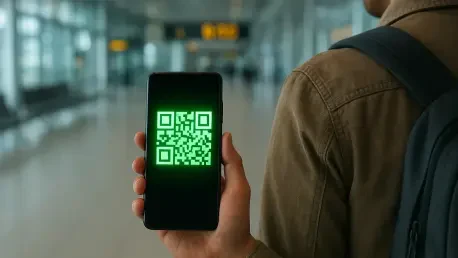
After the successful submission of the online form, the AfyaMsafiri platform processes the data to generate a formal health clearance document. This document is characterized by two distinct identifiers: a Unique Health Code and a scannable QR code, both of which are linked to the traveler’s specific identity and arrival details. The generated file includes a summary of the traveler’s passport number, nationality, and the specific entry point they selected during the initial steps of the process. It is this digital certificate that serves as the official proof of compliance with the national health surveillance mandate. Health authorities at the border are equipped with mobile scanning devices that instantly pull up the submitted declaration when the QR code is presented. Without this code, the entry process cannot be finalized, and travelers may be diverted to a secondary health screening station for a manual interview. Therefore, the generation of this code represents the final hurdle in the pre-arrival administrative process.
Once the QR code appears on the screen, travelers are explicitly instructed to save a copy of the document or take a high-resolution screenshot on their mobile devices for easy access during the arrival process. While the Ministry of Health suggests that the form can be completed upon arrival, the official guidance strongly recommends finishing the process within twenty-four hours of reaching the Tanzanian border to ensure the health information is as current as possible. Having the code ready for presentation significantly speeds up the transit through the arrival terminal, allowing for a more seamless integration into the immigration line. It is also a prudent measure to print a physical copy of the QR code as a backup in case of battery failure or technical issues with a smartphone. By arriving with the Unique Health Code in hand, visitors demonstrate their readiness to comply with the local health regulations, thereby contributing to a smoother and more efficient border crossing for everyone involved.
5. Navigate the Divergent Requirements for Zanzibar and Mainland Entry
Travelers must exercise caution when planning trips that involve both the Tanzanian mainland and the semi-autonomous archipelago of Zanzibar, as health requirements can differ between the two jurisdictions. While the mainland recently expanded its mandate to include all international arrivals regardless of origin, Zanzibar’s Ministry of Health issued a separate advisory on October 9, 2026, which remains more targeted. Specifically, the island’s authorities currently focus their mandatory health declarations on travelers arriving from or transiting through the Democratic Republic of the Congo, Uganda, or Kenya. This distinction is critical for tourists who may be flying directly into Zanzibar, as they will need to use a dedicated portal—healthtravelznz.mohz.go.tz—rather than the mainland’s system. The existence of separate health authorities means that a clearance obtained for the mainland might not be recognized in Zanzibar, necessitating a review of the specific rules for each point of entry on a traveler’s itinerary.
As travelers adjusted to these heightened health protocols, the integration of the AfyaMsafiri declaration alongside the recently mandated travel insurance became the new standard for entering Tanzania. Since October 1, 2026, visitors also secured a specific insurance policy for a standard fee of forty-four dollars, a requirement that functioned independently from the health surveillance form. To ensure a smooth journey, savvy travelers consolidated their documentation by saving the health QR code, insurance certificate, and visa confirmation in a single, easily accessible digital folder. They also monitored official health portals forty-eight hours before departure to catch any last-minute shifts in the regional advisory status. By proactively fulfilling these digital entry requirements, international visitors protected their travel investments and contributed to the collective health security of the region. Moving forward, maintaining a flexible and well-informed approach to these evolving border formalities remained the most reliable strategy for exploring the vast landscapes of East Africa.