
The state treasury stands to gain significantly from secondary spending if the barriers discouraging regional travelers from using Jordanian routes are effectively dismantled. Jordan’s tourism sector stands at a critical crossroads, possessing world-class historical and religious sites but struggling with systemic administrative hurdles. To capitalize on major upcoming milestones, such as the millennium celebration of the Baptism of Christ, the nation must overhaul its entry and exit procedures. The current bureaucratic framework often prioritizes redundant security layers over traveler convenience, creating a friction-filled experience that deters visitors. By transitioning toward a more modern, streamlined administrative logic, Jordan can safeguard its reputation and unlock significant untapped revenue streams. This shift is not merely about hospitality but about economic survival and positioning the kingdom as a leading global destination. When travelers encounter seamless transitions, they are more likely to return and recommend the country to others, creating a positive feedback loop for the national economy.
Addressing Bottlenecks: Air and Land Gateways
Modernizing Airport Security and Flow: A Necessary Shift
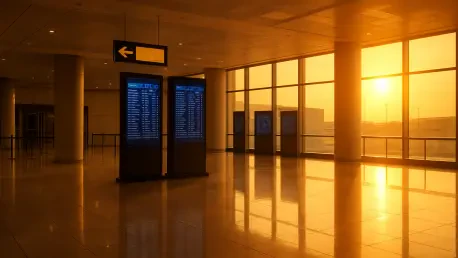
Queen Alia International Airport is widely recognized as a premier facility in the Middle East, yet it continues to grapple with an antiquated pre-screening model that hampers the initial passenger experience. Unlike many of the world’s most efficient aviation hubs where passengers can move freely within the main terminal halls until they reach their respective check-in counters, this facility requires a rigorous security screening immediately upon entry. This preliminary layer of bureaucracy creates significant congestion, as travelers and their families are funneled through a limited number of scanning lanes before they even begin the formal airline registration process. This structure not only causes physical delays but also sets a tone of tension rather than welcome. For a country aiming to boost its tourism revenue, first impressions are critical, and the current setup often leaves visitors feeling frustrated before they have even cleared the first hurdle of their journey. Implementing smart technology and advanced biometric systems would allow for high security without these manual bottlenecks.
To address these systemic inefficiencies, Jordanian authorities should look toward implementing smart technology and advanced biometric systems that allow for high-security standards without the need for manual bottlenecks. Modern crowd management strategies would enable the airport to maintain its safety protocols while moving the primary screening phase further into the terminal flow, specifically after the check-in and baggage drop. This alignment with international best practices would free up the public areas of the airport, allowing for a more relaxed environment where secondary services like cafes and retail outlets could thrive. By reducing the number of redundant document checks and physical searches, the kingdom could significantly improve its throughput and ensure that the airport remains a competitive gateway. Transitioning to a digital-first approach in security verification is no longer an option but a necessity to meet the expectations of modern global travelers. Enhancing the terminal flow will directly impact passenger satisfaction and increase the likelihood of recurring visits.
Streamlining Land Border Operations: From Frustration to Efficiency
The inefficiencies at land borders, particularly at the King Hussein Bridge, underscore a persistent disconnect between existing physical infrastructure and the demands of modern regional transit. Currently, travelers are forced to navigate an administrative maze that involves visiting multiple counters to process the same set of documents, a practice that feels like a relic of a bygone era. This redundancy is not only time-consuming for visitors but also an inefficient use of government personnel and resources. The introduction of a unified, high-speed computer system would allow for a single point of verification, consolidating data entry and security clearing into one seamless interaction. Such a shift would drastically reduce wait times and eliminate the confusion that often plagues this vital crossing point. Streamlining these procedures is essential for maintaining the bridge’s role as a primary link for travelers who prefer land routes over air travel. Digital integration must be prioritized to ensure that data flows as quickly as the people who are moving through these critical points of entry.
Furthermore, the scalability of operations at northern crossings, such as the Sheikh Hussein Bridge, remains a pressing concern that requires a more dynamic administrative strategy. During peak periods, including regional holidays and major cultural events, these facilities are frequently overwhelmed by the sheer volume of arrivals, leading to massive delays and a poor traveler experience. The lack of flexible staffing and sufficient inspection lanes means that any surge in traffic quickly turns into a logistical bottleneck. To remedy this, the Ministry of Interior and the Tourism Board must coordinate more closely to anticipate high-traffic periods and deploy additional resources accordingly. A responsive staffing model, combined with expanded physical lanes for processing, would ensure that the borders can handle large crowds with professional efficiency. Transforming these transit points into professional entries is a vital component of Jordan’s broader economic strategy. This proactive approach ensures that visitors feel valued from the moment they arrive, fostering a sense of hospitality that is essential for long-term tourism growth.
Reclaiming Revenue: Regional Traveler Dynamics
Easing Barriers: Jerusalem and Palestinian Transit
A significant portion of potential tourism revenue is currently being lost as Palestinian travelers from Jerusalem increasingly choose to bypass Jordanian transit routes in favor of alternative gateways. One of the primary drivers of this shift is the substantial financial burden associated with the short-term paper permits required for travel through the King Hussein Bridge. When combined with the administrative friction and long wait times on the Jordanian side, many Jerusalemites find it more cost-effective and convenient to use alternative international hubs. This trend represents a direct blow to the Jordanian treasury, as these travelers are no longer contributing to the local economy through hotel stays, dining, or transportation services. By failing to simplify the transit process, Jordan is effectively pushing away a demographic that has historically been a reliable source of consistent spending. Strategic negotiations to reduce permit costs, combined with a simplified processing system, would go a long way in reclaiming this lost market for the kingdom.
Addressing these specific barriers requires a coordinated policy shift that prioritizes the economic value of these regional visitors over existing bureaucratic norms. The loss of hotel bookings and transit fees is a measurable economic impact that could be reversed if the Kingdom offered a more competitive and user-friendly experience. Strategic negotiations to reduce permit costs, combined with a simplified “one-stop” processing system at the bridge, would go a long way in reclaiming this lost market share. Moreover, providing dedicated services or incentives for frequent regional travelers could help restore the King Hussein Bridge as the preferred route for Jerusalemites. Every traveler who chooses an alternative route is a missed opportunity for Jordanian small businesses and the national tourism sector. Prioritizing the removal of these obstacles is not just a matter of convenience; it is an economic imperative that will determine the long-term health of the country’s transit tourism. These regional visitors provide a steady flow of income that supports infrastructure and job creation across the entire hospitality industry.
Competitive Modernization: Securing the Economic Future
Jordan also faced intensifying competition as neighboring transit points underwent significant modernization efforts, offering more efficient processing and better facilities for international guests. In the region, recent upgrades to border infrastructure made neighboring crossings appear far more advanced, highlighting the relative neglect of certain Jordanian facilities. Long wait times and outdated administrative logic prompted many regional travelers to seek alternative routes, further draining potential income. To remain a competitive regional hub, the kingdom ensured its border crossings were no longer seen as points of frustration but as modern, professional gateways. Officials conducted a strategic study that stripped away outdated and illogical conditions, replacing them with streamlined, digital-first solutions. This qualitative shift in administrative logic allowed the nation to handle the influx of millennium visitors with professionalism and ease. By prioritizing the traveler’s journey from the moment of entry, the government secured the nation’s future as a premier destination, proving that efficiency was as valuable as the heritage it protected.
These reforms ultimately provided a roadmap for sustainable growth, ensuring the state treasury captured the full potential of secondary spending for years to come. The government moved beyond simple structural fixes and addressed the core psychological impact of travel bureaucracy. By eliminating redundant steps and embracing automated verification systems, the state reduced operational costs while simultaneously increasing visitor throughput. These actions allowed the hospitality sector to focus on delivering high-quality experiences rather than managing the fallout of administrative delays. As a result, Jordan strengthened its position as a regional leader in tourism, attracting a more diverse array of global visitors who valued both the historical depth and the modern convenience of the kingdom. Future considerations involved the continuous update of digital border protocols to stay ahead of regional competitors. This commitment to administrative excellence ensured that the tourism sector remained a resilient pillar of the national economy, capable of adapting to the evolving demands of the global travel market while maintaining the highest standards of safety and security.