
Developing a network of specialized destinations would allow Kashmir to distribute the ecological burden more equitably while highlighting its unique heritage and biodiversity. This fundamental shift marks a departure from the traditional reliance on sheer visitor volume, a metric that previously defined success but often masked underlying economic vulnerabilities. While the region celebrated record-breaking arrivals in recent years, reaching over 23 million visits by 2024, the inherent fragility of a mass-market model became increasingly apparent. Reliance on high-volume, low-margin tourism leaves a local economy exposed to sudden geopolitical shifts or environmental disruptions, which can lead to immediate and devastating mass cancellations. By pivoting toward a high-value, sustainable strategy, the regional government and private stakeholders are now prioritizing economic retention and long-term resilience over raw headcounts. This transformation aims to move Kashmir away from being a seasonal sightseeing backdrop and toward becoming a robust, high-yield ecosystem where quality of engagement and environmental stewardship are the primary drivers of prosperity.
The strategic transition focuses on attracting discerning travelers who seek deeper connections with the landscape and culture, rather than those who simply follow well-trodden paths for quick photographs. High-value travelers typically stay longer, spend more across a diverse range of local services, and exhibit a greater respect for the delicate socio-environmental fabric of the valley. By catering to this demographic, the region can build a financial cushion that remains stable even when total visitor numbers fluctuate. This approach also mitigates the “numbers game” that often places undue stress on local resources without providing proportional economic benefits to the average resident. The goal is to ensure that every visitor contributes meaningfully to the local economy while minimizing their physical footprint. Through this recalibration, the region is effectively future-proofing its most vital industry, ensuring that the legendary beauty of the “Ultimate Oasis” remains preserved as a high-end, premium destination for those who truly value its unique offerings.
Protecting Natural and Economic Assets
Preserving the Fragile Ecological Balance: A Scientific Approach
The environmental limitations of the Kashmir Valley act as a definitive ceiling for sustainable growth, necessitating a move away from unrestricted access. The delicate mountain ecosystems, including the high-altitude meadows and the intricate network of wetlands, are currently under immense pressure from infrastructure demands that often outpace local capacity. Planners are now implementing a scientific determination of carrying capacity for every major destination, ranging from the sprawling gardens of Srinagar to the sensitive slopes of Gulmarg. This process involves assessing the limits of waste management systems, water supply availability, and the resilience of local flora and fauna to human interference. By identifying these thresholds, authorities can implement entry caps and permit systems that prevent the degradation of the very landscapes that serve as the region’s primary attraction. This ensures that the visitor experience remains high-quality and uncrowded, while the biological integrity of the valley is maintained for future generations.
Furthermore, the management of waste and water resources is being revolutionized through integrated environmental monitoring technologies. New initiatives focus on decentralized sewage treatment plants and strict “no-plastic” zones that are enforced through both technology and local community oversight. Protecting the water quality of Dal Lake and the Jhelum River is no longer just an environmental concern but a core economic necessity, as these water bodies are central to the region’s identity and tourism appeal. The shift toward high-value growth allows for the allocation of higher revenues toward these critical conservation projects. By treating the environment as a finite and precious asset rather than a free resource for mass consumption, the region is establishing a new global standard for mountain tourism. This scientific rigor ensures that development does not come at the cost of ecological collapse, fostering a symbiotic relationship between the hospitality sector and the natural world.
Distributing Growth: The Strategy of Geographic Decentralization
For several decades, tourism in the valley remained concentrated within a narrow “golden circuit” of a few world-famous towns, leading to severe localized overcrowding and significant wealth disparity between regions. To rectify this, a comprehensive strategy of geographic decentralization is being deployed to encourage visitors to explore lesser-known but equally stunning locales. By identifying and developing specialized hubs in peripheral districts, the economic benefits of tourism can be spread more equitably across the entire geographic expanse of the valley. This move helps to alleviate the environmental and social burden on traditional hotspots while simultaneously revitalizing rural communities that were previously bypassed by the tourism boom. These new destinations are not designed as replicas of existing sites but as unique centers for niche activities such as botanical research, wellness retreats, or traditional craft immersion.
The success of this decentralization effort depends heavily on the development of interconnected infrastructure that facilitates seamless travel between these specialized hubs. Investment is being directed toward scenic bypasses, eco-friendly transport links, and localized hospitality training programs that empower rural populations to host international guests. As visitors move beyond the central hubs, they discover the authentic charm of remote villages, contributing directly to the livelihoods of farmers, weavers, and local guides. This distribution of footfall ensures that no single area is overwhelmed by visitors, preserving the tranquil atmosphere that high-value travelers seek. Moreover, by diversifying the geographical footprint of the industry, the region becomes more resilient to localized disruptions. This holistic approach to development transforms the entire valley into a multifaceted destination, where every sub-region offers a distinct and valuable contribution to the overall visitor experience.
Enhancing the Visitor Experience
Shifting from Sightseeing to Immersive Cultural Experiences
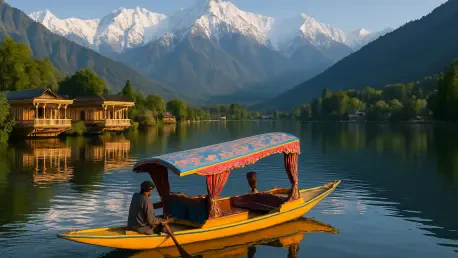
The traditional model of tourism in the region often centered on rapid sightseeing, where visitors moved quickly from one landmark to another, providing minimal opportunity for deep local interaction. The new high-value strategy seeks to transition this dynamic into an immersive economic ecosystem where participation is the primary objective. Instead of merely observing the landscape, guests are encouraged to engage in authentic activities such as staying in restored heritage houseboats that offer historical storytelling or participating in guided walks led by local naturalists. This shift focuses on the “experience economy,” where the value is derived from the depth of the engagement rather than the number of sites visited. By lengthening the average stay through these curated activities, the region creates significantly more opportunities for local spending, turning a brief visit into a meaningful journey that resonates with the traveler long after they depart.
To support this evolution, there is a concerted effort to document and package the intangible heritage of the valley into high-quality tourist offerings. This includes culinary workshops focusing on the complex “Wazwan” tradition, sessions with master artisans who demonstrate the intricate art of Pashmina weaving, and musical evenings featuring traditional Sufiana Kalam. These experiences provide visitors with a profound understanding of the region’s cultural identity while ensuring that local practitioners are fairly compensated for their specialized knowledge. By positioning the culture as a premium asset, the region attracts a demographic that is willing to pay more for authenticity and exclusivity. This move away from superficial tourism helps to preserve local traditions by making them economically viable for the younger generation to pursue. Ultimately, this approach elevates the status of the destination, making it a place of learning and discovery rather than just a backdrop for social media content.
Building a Stable Four-Season Economy: Seasonal Identity Branding
One of the most persistent challenges facing the local hospitality industry has been the extreme seasonality of visitor arrivals, which often led to a “boom and bust” cycle for businesses and workers. To create year-round stability, the region is now branding each season with a distinct identity and a specific set of premium offerings. Spring is marketed as the premier destination for horticulture and floral tourism, leveraging the breathtaking bloom of tulip gardens and fruit orchards. Summer remains focused on high-altitude trekking and alpine exploration, while autumn is promoted as the “golden harvest” season, inviting guests to participate in saffron picking and apple harvesting. Winter has seen a massive expansion in professional snow sports and luxury mountain retreats, ensuring that the cold months are as vibrant and profitable as the height of summer. This seasonal smoothing ensures that employment for guides, hotel staff, and transporters remains consistent throughout the year.
This four-season strategy also allows for better management of resources and labor, as the industry no longer needs to scale up and down violently between peaks. A permanent, professionalized workforce can be maintained, leading to higher service standards and better career prospects for local youth. Furthermore, different seasons appeal to different high-value segments; for instance, the quiet beauty of a Kashmiri winter might attract wellness and meditation enthusiasts, while the vibrant colors of autumn draw photographers and culinary explorers. By curating events and infrastructure for every month of the year, the region maximizes the utility of its hospitality assets. This consistent flow of revenue allows for ongoing reinvestment in infrastructure and maintenance, preventing the seasonal decay that often occurs during periods of dormancy. This strategic branding ensures that the destination remains relevant and accessible to high-end travelers regardless of the calendar date.
Maximizing Local Wealth and Infrastructure
Increasing the Local Economic Retention Ratio: Minimizing Leakage
A significant concern for regional economists has historically been “leakage,” a phenomenon where a large portion of tourist spending leaves the local economy through external entities such as international airlines and major online travel platforms. To counter this, the new growth model emphasizes a high local economic retention ratio, ensuring that a greater percentage of every dollar spent stays within the valley. This is being achieved through the promotion of local procurement policies, where hotels and resorts are incentivized to source their food, decor, and services from local farmers and businesses. When a luxury resort buys its produce from a nearby village or commissions furniture from local woodworkers, the economic impact of a single tourist visit is multiplied across several layers of the community. This focus on the “retention ratio” transforms tourism from an isolated industry into a powerful engine for broad-based regional prosperity.
Direct sales channels for local artisans and producers are also being strengthened to remove unnecessary intermediaries who often take a significant cut of the profits. By establishing high-end retail hubs and digital platforms that connect travelers directly with master craftsmen, the region ensures that the true value of Kashmiri handicraft is captured by the people who create it. This approach not only boosts the income of local families but also encourages the maintenance of high quality and traditional techniques. Furthermore, there is a push to support locally owned and operated boutique hospitality brands that reinvest their profits back into the region. By fostering a community-centric economic model, the tourism sector becomes a tool for social empowerment rather than just a source of revenue. This strategy ensures that the wealth generated by the beauty of the landscape is used to improve the standard of living for those who call it home.
Investing in Professionalization and Modern Governance: A New Standard
The successful transition to a high-value model requires more than just natural beauty; it demands international standards of service, safety, and governance. To facilitate this, the region has established a dedicated Tourism Investment Corporation aimed at funding boutique eco-lodges and the restoration of heritage properties rather than mass-market, high-density hotels. This corporation provides the necessary capital and technical expertise to ensure that new developments meet rigorous sustainability and aesthetic standards. Parallel to this, there is a pressing need for integrated governance where multiple government departments work in tandem to manage tourist destinations as single, cohesive ecosystems. This unified approach prevents the fragmented development that often plagues rapidly growing regions, ensuring that infrastructure like roads, electricity, and waste management are all aligned with the goals of high-value tourism.
Professionalization of the workforce is equally critical, with new training institutes focusing on high-end hospitality, mountain safety, and specialized tour guiding. These programs are designed to meet the expectations of discerning international travelers who require a high degree of expertise and personalized service. By providing local youth with world-class training, the region is creating a new class of “tourism professionals” who can command higher wages and offer superior value. This investment in human capital is the foundation upon which a premium destination is built, as the quality of service is often as important as the quality of the scenery. Moreover, the implementation of digital governance tools, such as real-time crowd monitoring and integrated booking systems, allows for more efficient management of visitor flows. These modern administrative practices ensure that the destination remains competitive on the global stage, offering a seamless and sophisticated experience for every guest.
Prioritizing Sustainability: Redefining Success for Future Prosperity
The ultimate objective of this comprehensive strategic shift was to decouple economic growth from the sheer mass of people entering the valley. In the final analysis, success was redefined by the revenue generated per visitor and the preservation of ecological integrity rather than by chasing record-breaking arrival statistics. This approach positioned the region as an exclusive and authentic destination that offered incomparable value to the traveler while protecting the very natural heritage that made it famous. Leaders recognized that a smaller number of high-spending visitors provided a more sustainable and manageable economic base than an overwhelming number of low-budget tourists. By focusing on the long-term health of the environment and the community, the region ensured that its resources were not depleted for short-term gain but were instead nurtured for the benefit of future generations.
The transition toward a high-value growth model served as a blueprint for other mountain regions facing similar pressures from mass tourism and climate change. Local stakeholders embraced the reality that protecting the landscape was the only way to protect the economy, leading to a surge in private-sector investment in green technologies and sustainable practices. As the region moved forward, the focus remained on maintaining a balance between accessibility and exclusivity, ensuring that the valley remained a premier global destination. This strategic patience and commitment to quality allowed the area to thrive even in a changing global landscape. The shift toward sustainability was not merely a policy choice but a fundamental cultural change that valued the preservation of the “Ultimate Oasis” above all else. This holistic vision successfully transformed the regional economy into a resilient, high-yield system that stood the test of time.