
The modern traveler no longer views a transoceanic voyage as a mere sequence of days spent between departure and arrival points, but rather as an opportunity for profound cultural acquisition. The luxury cruise industry is currently undergoing a radical metamorphosis, moving away from traditional leisure-based travel toward a model centered on high-culture immersion and intellectual depth. Major international operators are no longer treating art as a mere decorative afterthought; instead, they are redesigning their vessels to serve as sophisticated, floating repositories of modern masterpieces. This strategic shift targets a demographic of affluent travelers who prioritize intellectual enrichment and museum-grade experiences as essential components of their global itineraries, effectively turning the vessel itself into a destination of significant historical and aesthetic value.
By integrating “blue-chip” artworks by legendary figures like Pablo Picasso and Andy Warhol, cruise lines are establishing immediate cultural credibility that rivals high-end land-based resorts and urban cultural centers. This evolution marks the end of the era of onboard art auctions—once criticized for their commercial focus—and the beginning of serious, permanent curation where masterpieces are woven into the ship’s architectural identity. These vessels now function as mobile galleries, offering an intimate environment where passengers can engage with world-class art without the crowds or time constraints found in land-based institutions. As the maritime sector adapts to these new standards, the very definition of a “luxury suite” is expanding to include the privilege of living alongside original sketches and sculptures that were once the exclusive domain of national museums.
The Shift Toward Curated Excellence
From Decorative Commodities to Permanent Collections
The transition from decoration to curation represents a fundamental change in the maritime business model, signaling a departure from the days when art was primarily a sales tactic. In the past, art on ships was often seen as a commodity to be sold at sea via high-pressure auctions, but today’s luxury lines invest millions in permanent installations that define the brand’s aesthetic. This move toward museum-quality collections allows cruise lines to build a “cultural moat” around their offerings, ensuring that the travel experience is as intellectually stimulating as it is physically comfortable. By owning these collections, the companies transition from being mere facilitators of transport to becoming stewards of cultural heritage, which significantly enhances their brand equity among the global elite who value authenticity over transient luxury.
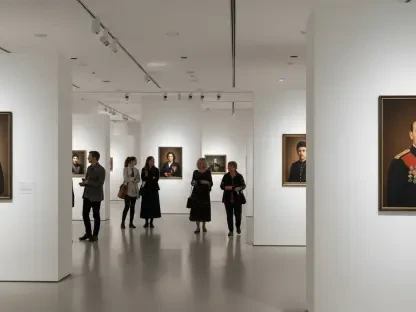
Modern ship design has evolved to accommodate these massive collections, incorporating precision lighting and custom structural niches specifically engineered for monumental works. Architects now use expansive glass and multi-story walls to create a visual juxtaposition between the open ocean and the fine art on display, a feat of engineering that requires careful consideration of salt air and vibration. This “art-first” philosophy ensures that the transition from a private suite to a public lobby feels like a stroll through a high-end metropolitan gallery rather than a transit through a commercial vessel. Every corridor is now designed with sightlines that prioritize the viewer’s engagement with a sculpture or a painting, making the aesthetic experience a constant, subconscious presence throughout the journey rather than a scheduled event.
Engineering Environments for Fine Art
To maintain the integrity of “blue-chip” investments, naval architects must now solve complex environmental challenges that land-based museums rarely face on such a mobile scale. Ships are being equipped with advanced climate-control systems that regulate humidity and temperature with surgical precision, protecting delicate canvases from the corrosive nature of the maritime environment. Furthermore, specialized mounting hardware has been developed to ensure that even during heavy seas, multi-million dollar sculptures remain perfectly stationary without sacrificing their visual presentation. These technical advancements are invisible to the passenger but are essential for the long-term preservation of works that may spend decades traversing the globe, ensuring that the legacy of the artist is respected despite the inherent instability of ocean travel.
This focus on preservation and presentation also extends to the way light interacts with the art and the surrounding sea. Designers are increasingly using smart-glass technology that can tint automatically to block harmful UV rays while still allowing guests to enjoy the panoramic views of the horizon. This duality creates a unique sensory experience where the masterpiece on the wall is illuminated by the same natural light that inspired many of the Impressionists, yet is shielded from the damaging effects of direct sun exposure. By harmonizing the rugged reality of life at sea with the delicate requirements of art conservation, cruise lines are demonstrating a level of sophistication that goes far beyond traditional hospitality, positioning themselves as serious players in the global art market.
Distinctive Branding Through Masterpieces
Leveraging Heritage and Pop Art Icons
Regent Seven Seas Cruises has set a high bar for the industry with the introduction of bespoke items like the Fabergé Journey in Jewels egg, the first of its kind to reside permanently at sea. By centering a ship’s identity around such a significant object, the cruise line elevates its brand to the status of a historic cultural patron, attracting collectors who might otherwise avoid traditional cruising. The inclusion of original Picasso ceramics and lithographs further enhances this sense of exclusivity, providing guests with an intimate proximity to 20th-century modernism that is impossible to find in a crowded public gallery. This strategy transforms the vessel into a narrative space where the history of jewelry and the evolution of modern art are told through the very objects that decorate the ship’s most prestigious public rooms.
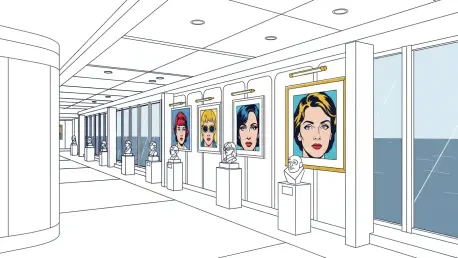
In contrast, other lines like Explora Journeys have embraced a contemporary visual sensibility by focusing on the Pop Art movement and its lasting impact on modern design. By showcasing limited-edition prints from Andy Warhol and Roy Lichtenstein, these ships appeal to a younger, design-conscious demographic that appreciates bold and vibrant aesthetics over classical traditionalism. This strategy aligns the maritime experience with the vibe of world-class galleries in New York or London, moving the “ocean liner” look toward a “boutique hotel” feel that resonates with the modern aesthetic. Such branding efforts are not merely about aesthetics; they are about creating a lifestyle alignment where the passenger’s personal taste in art is reflected in their choice of travel, fostering a deeper emotional connection with the cruise brand.
Curating a Lifestyle of Aesthetic Immersion
The integration of these iconic works serves a dual purpose: it acts as a silent ambassador for the cruise line’s commitment to quality while providing a sophisticated backdrop for social interaction. When a guest dines beneath a Warhol or walks past a Lichtenstein, the art becomes a catalyst for conversation among like-minded travelers, creating a community of connoisseurs on board. This social dynamic is a key component of the luxury experience, as it elevates the standard of discourse and shifts the focus of the trip toward shared intellectual interests. Cruise lines are increasingly hiring professional curators to oversee these collections, ensuring that each piece is not only valuable but also contributes to a cohesive thematic journey that reflects the ship’s specific mission and personality.
Furthermore, the presence of these masterpieces allows cruise lines to host exclusive events, such as private viewings and lectures by art historians, which add a layer of educational value to the voyage. These programs turn the ship into a mobile university where the curriculum is as varied as the ports of call, offering insights into the creative processes of the masters featured in the collection. By providing this level of depth, operators are successfully attracting a new wave of “culture-first” travelers who seek to return from their vacations not just rested, but enlightened. This shift represents a broader trend in the luxury sector where the acquisition of knowledge and cultural capital is seen as the ultimate luxury, far outweighing the value of traditional amenities like gold-leafed decor or oversized suites.
The Mediterranean as a Living Gallery
Shore Excursions and Cultural Continuity
Ponant, representing the French maritime perspective, extends the museum experience beyond the ship’s hull by treating the Mediterranean landscape itself as a living gallery. Their itineraries are meticulously designed around the geographical history of art, connecting the works onboard with the coastal light that inspired the great painters of the previous century. This approach creates a seamless narrative for the traveler, where the transition from the ship to the shore is an ongoing educational journey rather than a series of disconnected stops. For instance, a guest might spend the morning studying a Picasso ceramic in the ship’s lounge before departing for a private tour of the artist’s former studio in Antibes, creating a powerful connection between the object and its place of origin.
Through exclusive partnerships with prestigious Mediterranean art foundations and museums, these cruise lines offer shore excursions that are far more than simple sightseeing tours. Expert-led lectures and private viewings provide the necessary context for passengers to appreciate the deep cultural roots of their destinations, often granting access to sites that are closed to the general public. This focus on “educational capital” ensures that the voyage is remembered as much for its intellectual depth as for its luxurious amenities, appealing to a demographic that values personal growth. By blurring the lines between the onboard gallery and the historical sites on land, these operators have created a holistic travel product that satisfies the curiosity of the most demanding art enthusiasts.
Bridging the Gap Between Land and Sea
This strategy of cultural continuity is particularly effective in regions like the French and Italian Rivieras, where the history of modern art is deeply intertwined with the landscape. Cruise lines are now collaborating with local municipalities to create “art trails” that lead passengers from the gangway directly to hidden gems of the art world, such as small chapels decorated by Jean Cocteau or private gardens housing modernist sculptures. This level of integration requires years of relationship-building with local curators and historians, resulting in a unique offering that cannot be easily replicated by mass-market competitors. The result is a travel experience that feels curated rather than manufactured, providing a sense of discovery that is often missing from more conventional Mediterranean cruise itineraries.
Moreover, the use of small-capacity expedition vessels allows these lines to access smaller, more culturally significant ports that large ships simply cannot reach. This proximity to the source of inspiration for many 20th-century masters adds an element of authenticity to the journey, as passengers can walk the same streets and see the same vistas that influenced the works they admire onboard. This geographical intimacy is the cornerstone of the “living gallery” concept, where the ship acts as a mobile lens through which the world is viewed and interpreted. By prioritizing these meaningful connections, luxury cruise lines are redefining the purpose of a voyage, moving it away from the consumption of places toward a more thoughtful and respectful engagement with global artistic heritage.
Technology and the Modern Art Connoisseur
Enhancing the Viewer Experience Through Innovation
To bridge the gap between passive viewing and active learning, luxury cruise lines are increasingly adopting sophisticated digital tools that transform the way art is consumed at sea. Interactive apps and self-guided digital tours allow passengers to explore the history and significance of each piece at their own pace, mimicking the interpretive programs found at the MoMA or the Louvre. This integration of technology ensures that the onboard art program is accessible to both seasoned collectors and those seeking an approachable entry point into art history, removing the intimidation factor often associated with fine art. Augmented reality features on these apps can even show the restoration process of a painting or provide a virtual tour of the artist’s studio, adding layers of context that a physical plaque simply cannot provide.
The implementation of these technologies also allows for a more personalized art experience, as guests can receive notifications about lectures or tours that align with their specific interests. For example, a traveler who spends time viewing the contemporary prints might be invited to an exclusive talk by a visiting curator on the influence of commercial design on high art. This data-driven approach to curation ensures that the cultural offerings are as relevant as possible to the individual guest, enhancing their overall satisfaction with the voyage. By leveraging these innovations, cruise lines are proving that the “floating museum” is not a static concept but a dynamic, evolving platform that uses modern tools to celebrate timeless masterpieces in a way that is engaging for the 21st-century audience.
The Future of Interactive Artistry at Sea
Looking ahead, the integration of technology is expected to extend into the very creation of art itself, with digital installations that react to the movement of the ship or the changing light of the ocean. Some forward-thinking lines are already experimenting with large-scale LED canvases that display rotating digital art collections, allowing the ship’s aesthetic to change based on its geographical location. This flexibility represents a new frontier for maritime design, where the “art” is not just a physical object but a programmable environment that can be tailored to the mood of the evening or the theme of the itinerary. Such innovations represent a significant investment in the future of the guest experience, ensuring that the ship remains at the cutting edge of both technology and culture.
These digital advancements also facilitate a global connection, allowing guests to participate in live-streamed auctions or gallery talks from London or New York while they are in the middle of the Atlantic. This connectivity ensures that the onboard art enthusiast remains plugged into the global art market, further blurring the lines between the ship and the world’s great cultural hubs. As these technologies become more seamless and intuitive, they will likely become a standard feature of the luxury cruise experience, providing a level of engagement that was previously unimaginable. The floating museum of the near future will not just be a place to look at art; it will be a place to experience it through every sense, supported by a digital infrastructure that makes the entire world of art accessible at the touch of a button.
The transformation of luxury ships into floating museums reflected a broader trend toward experiential luxury that prioritized knowledge over mere consumption. For the modern traveler, the value of a journey was no longer measured solely by the quality of the cuisine or the comfort of the cabin, but by the depth of the cultural intellectual property provided throughout the voyage. As competition among high-end lines intensified, the presence of gallery-worthy masterpieces became a baseline expectation, forever changing the landscape of the luxury cruise industry. Travelers seeking to engage with this new model should look for itineraries that offer specific art-focused programming and professional curatorial staff to ensure the highest level of cultural immersion. Ultimately, the successful integration of fine art into the maritime experience provided a blueprint for other sectors of the travel industry to follow, proving that the desire for intellectual growth is a universal and enduring aspect of the human experience.