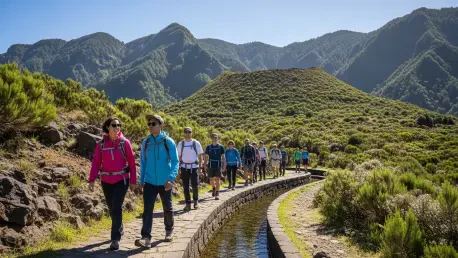

The lush, volcanic archipelago of Madeira, long celebrated for its dramatic landscapes and extensive network of hiking trails, is now grappling with the profound paradox of its own success as record-breaking tourism levels begin to exert immense pressure on its delicate natural ecosystems. With visitor numbers surging past two million annually and generating an unprecedented 11.7 million overnight stays, the regional government has been compelled to enact a strategic policy shift designed to protect the very beauty that draws travelers from across the globe. This initiative introduces a system of access charges for its famed walking paths, a measure intended not to deter visitors but to foster a more sustainable model of tourism. The revenue generated is earmarked specifically for the preservation and enhancement of the island’s natural treasures, ensuring that its celebrated trails, including the unique manmade irrigation channels known as levadas, can be maintained for future generations. This move signals a deliberate transition from a volume-based tourism strategy to one that prioritizes quality, environmental stewardship, and long-term resilience.
A Strategic Approach to Preservation
The implementation of these access fees has been a carefully phased process, reflecting a strategic effort to balance conservation needs with public accessibility. The program was first piloted in 2023, targeting a few of the most popular and heavily trafficked trails to gauge its effectiveness and public reception. Following its initial success, the policy was expanded in 2024 to encompass all officially recognized hiking routes across the autonomous Portuguese region. The fee structure is also tiered and set to evolve, with the general hiking fee scheduled for a 50% increase to €4.50. More iconic and demanding routes, such as the Vereda do Areeiro, renowned for its breathtaking “Stairway to Heaven” section, now command a higher premium of €10.50. Officials have emphasized that these charges are a direct investment back into the environment, with all funds dedicated to crucial maintenance, enhancing safety measures, and developing infrastructure to better manage visitor flow and minimize the ecological footprint of mass tourism, thereby safeguarding the island’s world-class natural heritage.
Balancing Impact with Inclusivity
While the new fees are a direct response to rising operational and conservation costs, the policy incorporates several thoughtful provisions to mitigate the financial burden on specific groups and encourage local economic participation. In a move to ensure continued access for the local community, official residents of Madeira are exempt from the charges, although they are still required to complete a reservation to help authorities manage trail capacity. Similarly, children aged 12 and under can explore the trails for free, making family excursions more accessible. For international visitors, there is an incentive to engage with the local tourism sector; those who book their hiking excursions through a registered local tour operator can lock in lower rates, avoiding the most recent price increases. This particular measure not only provides a cost-saving option for tourists but also channels more business to local companies. This multifaceted approach is a cornerstone of Madeira’s broader, award-winning strategy, which has consistently focused on sustainable, high-quality tourism and earned it the prestigious title of “World’s Leading Island Destination” for eleven consecutive years.
A Blueprint for Sustainable Destinations
The decision to implement a comprehensive trail fee system represented a pivotal moment for Madeira, cementing its commitment to a future where tourism and environmental preservation could coexist harmoniously. Rather than viewing the record influx of visitors solely through an economic lens, the island’s leaders chose to address the inherent challenges of overtourism proactively. The revenue-generating mechanism was not merely a tax but a direct-action fund, a transparent tool that linked the impact of tourism directly to the resources needed for conservation. This policy was part of a larger, award-winning vision that had already established the archipelago as a global leader in sustainable destination management. By creating a system that managed visitor flow, funded essential maintenance, and incentivized support for the local economy, Madeira crafted a sophisticated model that other popular natural destinations facing similar pressures could potentially emulate, ensuring its breathtaking landscapes were protected for decades.