
Katarina Railko stands at the intersection of high-stakes hospitality and urban transformation, bringing a wealth of experience from the travel, tourism, and entertainment sectors to the forefront of Texas’s real estate boom. As a key voice in the evolution of large-scale events and international conferences, she possesses a keen eye for how lifestyle brands integrate into the fabric of a growing city. In this discussion, we explore the debut of the Edition brand in Dallas, examining how the synergy between luxury residences, expansive office spaces, and wellness-focused design is setting a new benchmark for the Texas market. The conversation touches on the logistical hurdles of major global sporting events, the competitive landscape of the Dallas hotel market through 2027, and the delicate art of blending global sophistication with local cultural identity.
Uptown Dallas is becoming a dense hub for luxury hospitality. Why was the 2.5-acre Chalk Hill site specifically chosen for a new lifestyle brand, and how will its proximity to the Katy Trail influence the wellness and lifestyle programming offered to guests and residents?
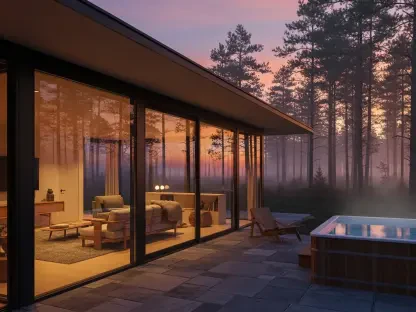
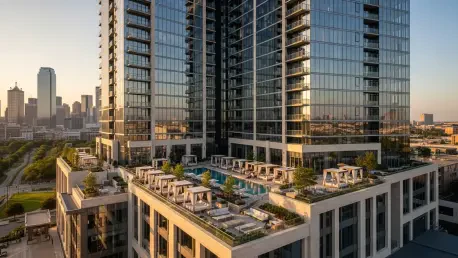
The selection of the 2.5-acre site at Chalk Hill was a deliberate move to place the property at the very heart of the city’s most energetic evolution. By situating the development near the 3.5-mile Katy Trail, we are able to bridge the gap between high-density urban living and the restorative power of outdoor recreation. Guests and residents won’t just see the trail from their windows; they will feel its presence through a holistic wellness program that extends from our on-site spa and wellness center directly into the green pulse of the city. This location allows us to offer an active lifestyle that is rare in typical luxury developments, creating a sensory connection between the sleek design of the hotel and the natural movement of Dallas. It is about capturing that specific energy and sophistication that the brand is known for while giving people room to breathe.
This development combines 214 hotel rooms with private residences and 400,000 square feet of office space. How do you balance the privacy needs of residential owners with the high-energy public spaces of a hotel, and what operational steps ensure these distinct components function as a cohesive ecosystem?
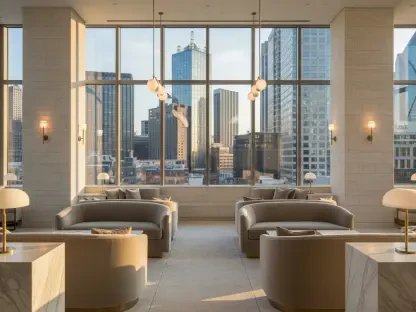
Balancing 214 hotel rooms with 60 exclusive residences and 400,000 square feet of office space requires a meticulously choreographed approach to movement and access. We design these spaces so that residential owners feel a sense of absolute sanctuary, utilizing private entrances and dedicated service staff to maintain an air of exclusivity. Simultaneously, the hotel’s public areas, including the restaurant and pool deck, serve as the vibrant social “living room” where office tenants and hotel guests can mingle and share the energy of the brand. Operationally, this means creating a seamless flow where the “Dallas soul” is present in every corridor, ensuring that the high-energy bar scene never compromises the quiet luxury expected by those who call the building home. The goal is a symbiotic relationship where the convenience of hotel amenities elevates the residential experience without intruding upon it.
Dallas is projected to lead the nation in hotel openings by 2027, with dozens of projects and thousands of rooms in the pipeline. With established luxury players already in the market, what specific service metrics and design innovations are necessary to maintain a competitive edge during this rapid expansion?
To stand out in a market where 37 new projects and 3,198 rooms are expected to deliver by 2027, you must move beyond traditional luxury and offer a transformative experience. We are focusing on a “new benchmark for design” that prioritizes innovation and a highly personalized level of service that feels intuitive rather than scripted. In a landscape filled with legacy brands, the Edition’s collaboration with visionary partners allows us to create spaces like the holistic wellness center and the expansive pool deck that feel more like a private club than a standard hotel. We monitor service metrics that prioritize guest emotional engagement, ensuring that every interaction reflects the sophisticated evolution of the city. When the market is this crowded, the winner is the one who successfully translates a global brand standard into something that feels uniquely indispensable to the local community.
Large-scale international events, such as the World Cup, place immense pressure on local infrastructure and hospitality staff. What are the primary logistical challenges of opening a major mixed-use project during such a high-demand period, and how do you scale guest services to meet global expectations?
While our project is set to deliver by the end of 2028, the lead-up to and aftermath of the 2026 FIFA World Cup creates a massive shift in how we approach hospitality logistics and staffing. The sheer influx of millions of visitors to the Dallas-Fort Worth area forces us to think about infrastructure and service scaling long before the first guest checks in. We are looking at the lessons learned from recent openings, like the JW Marriott Dallas Arts District, to understand how to maintain global expectations when labor and resources are under strain. Scaling guest services during these high-demand periods involves rigorous training and a deep commitment to the “sophistication” of the brand, ensuring that our team can handle the intensity of international crowds without losing the personal touch. It is a massive undertaking that requires us to be both flexible and incredibly precise in our operational planning.
Modern luxury often seeks to bridge the gap between global brand standards and local identity. How do you translate the specific “Dallas soul” into the physical design of the ballroom, spa, and dining venues, and what unique cultural elements will distinguish this property from international counterparts?
Translating “Dallas soul” into a physical space means moving away from caricatures and focusing on the city’s inherent energy, growth, and polished grit. In the ballroom and dining venues, we use textures and lighting that reflect the bright, expansive Texas sky and the bold architectural history of Uptown. The spa and wellness center are designed to be sanctuaries that feel grounded in the local landscape, offering a level of warmth and hospitality that is uniquely Texan but delivered with global sophistication. We want a guest who has stayed at an Edition in Nashville or abroad to walk into our Dallas property and immediately feel a different pulse—one that is a tribute to the city’s legacy. This distinction is found in the details, from the curated flavors in our restaurant to the specific art and materials chosen to anchor the project in its 2.5-acre home.
What is your forecast for the luxury mixed-use market in Texas over the next decade?
I forecast that the luxury mixed-use market in Texas will transition from being a regional leader to a dominant global force, driven by projects that prioritize lifestyle and health as much as they do square footage. Over the next decade, we will see a greater blurring of lines between work and home, where 400,000-square-foot office components are no longer just places to work, but are fully integrated into high-end hospitality ecosystems. As Dallas continues to outpace other major U.S. cities in hotel development, the focus will shift toward creating “destinations within destinations” that offer everything from holistic wellness to world-class dining in a single site. We are entering an era where the successful projects will be those that can capture the “energy and growth” of their environment while providing a timeless, sophisticated retreat from the urban bustle. The next ten years will be about refining this balance of scale and soul.