
Once considered purely functional corridors for getting from curb to gate, airport terminals are increasingly transforming into sophisticated destinations in their own right, and Munich Airport’s latest initiative is a testament to this global shift. The recent unveiling of a curated fashion and accessories zone signals a deliberate move to capture the attention and spending power of the modern premium traveler. This expansion is more than just adding stores; it is a calculated investment in brand identity and a strategic play for a greater share of the lucrative travel retail market.
From Transit Hub to Retail Destination The Strategy Behind Munichs New Luxury Push
The evolution of airport commerce reflects a broader change in consumer expectations, where convenience alone is no longer sufficient. Today’s travelers, particularly those on long-haul journeys, seek engaging and elevated experiences that can turn layover time into a memorable part of their trip. Industry analysts consistently point toward a model where airports act as curated lifestyle centers, blending travel services with high-end dining, wellness, and, most critically, premium retail. Munich Airport’s development aligns perfectly with this trend, aiming to create an environment that feels less like a waiting area and more like an exclusive shopping district.
This strategic pivot is crucial for positioning Munich as a leading international hub in an intensely competitive aviation landscape. By enhancing its non-aeronautical revenue streams through upscale retail, the airport not only boosts its financial performance but also strengthens its value proposition for airlines and passengers. The new fashion zone serves as a tangible statement of intent, signaling that Munich is committed to providing a comprehensive, world-class experience from check-in to takeoff. This article explores the specific brand choices, spatial design, and economic implications of this transformation, offering a look at how Munich is redefining the airport journey.
Anatomy of a Premium Retail Transformation
Curating the Collection A Strategic Mix of Legacy Partners and Niche Specialists
The success of any retail space hinges on its brand composition, and Munich’s approach reveals a carefully balanced strategy. The new 480-square-meter zone is anchored by expanded stores for long-standing partners BOSS and Marc O’Polo, whose presence since 1997 and 2003, respectively, demonstrates a proven record of success with the airport’s passenger base. This reliance on established relationships provides a stable foundation of familiar, high-performing brands. Retail strategists often advocate for this blend of loyalty and innovation, as it mitigates risk while allowing for growth.
Complementing these legacy brands are two new, highly targeted additions. The introduction of ETON, a Swedish specialist in high-quality men’s business shirts, directly addresses the needs of the corporate traveler, a key demographic in Terminal 2. Meanwhile, a dedicated Luxury Sunglasses boutique featuring premier names like Cartier and Tom Ford offers a focused, high-margin product category that appeals to a broad spectrum of affluent passengers. Crafting this diverse yet cohesive identity within a relatively compact footprint showcases a sophisticated understanding of micro-targeting and maximizing sales per square meter.
Location is Everything Targeting the Premium Passenger at the Point of Departure
The placement of the new fashion zone within Terminal 2’s H-Gates is a masterclass in strategic retail positioning. This area is a primary departure point for long-haul international flights, which inherently concentrates a passenger demographic with higher disposable income and significant dwell time. Airport design experts agree that placing premium offerings in the direct path of the target audience is fundamental to converting foot traffic into sales. By integrating the stores into this high-value corridor, the airport ensures maximum visibility and accessibility for the travelers most likely to make a purchase.
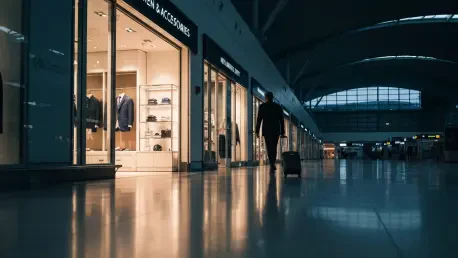
Modern store designs featuring open facades and seamless integration with the terminal’s passenger flow are engineered to be inviting, encouraging travelers to browse rather than simply pass by. This layout transforms the pre-flight wait from a passive experience into an active shopping opportunity. For airport operators, this is a critical component of increasing non-aeronautical revenue, a financial imperative in the modern aviation economy. The ability to engage a captive, high-spending audience at their point of maximum leisure is an unparalleled commercial advantage.
The New Economics of Air Travel Elevating Ancillary Revenue Through Experience
Munich’s initiative is a clear reflection of a wider industry consensus: airports must evolve beyond their traditional roles as infrastructure providers. As aeronautical revenues face constant pressure, commercial and retail activities have become the economic engine of modern transport hubs. By creating a compelling retail environment, an airport significantly enhances its overall value proposition. This benefits not only the airport’s bottom line but also its relationships with key partners, including airlines and tour operators who seek to offer their customers a superior end-to-end travel experience.
This approach effectively reframes airport shopping from an incidental afterthought into a core component of the travel journey. When the retail experience is elevated, it becomes a positive differentiator that can influence a passenger’s choice of connecting airport or even airline. The prevailing view among travel sector analysts is that the quality of an airport’s commercial offerings is no longer an ancillary benefit but a central pillar of its competitive identity and long-term sustainability.
Setting a New Standard Munichs Place in the Global Airport Retail Arena
In the global competition for premium passengers, Munich’s strategy draws comparisons to the well-established luxury retail models of hubs like Dubai International, Singapore Changi, and London Heathrow. While those airports have long been pioneers in creating expansive, mall-like environments, Munich’s approach appears more focused and boutique-oriented, prioritizing a curated selection over sheer scale. Some industry observers see this as an innovative step forward, arguing that a targeted collection can be more effective and less overwhelming for time-conscious travelers.
Conversely, other experts might view this as a necessary move for Munich to simply remain competitive in a market where luxury retail is becoming a standard expectation. The debate centers on whether this model represents a new benchmark or a catch-up play. Future developments could provide the answer. The success of this zone may pave the way for further retail evolution, such as the introduction of airport-exclusive product collections or deeper integration of digital tools like pre-ordering and personalized offers, which are widely considered the next frontier in travel retail.
The Blueprint for Success Key Learnings from Munichs Retail Expansion
The primary insight drawn from Munich Airport’s retail enhancement is the superior performance of a precisely targeted commercial strategy over a generic, one-size-fits-all approach. The careful selection of brands tailored to the specific demographics passing through the H-Gates exemplifies a data-driven understanding of the modern traveler. This initiative underscores that the most effective retail environments are those built on a deep analysis of passenger profiles, spending habits, and dwell time.
Other transport hubs can derive a clear recommendation from this model: tailoring commercial offerings is essential for maximizing impact and revenue. By analyzing their unique passenger flows and demographics, airports can create bespoke retail zones that resonate deeply with their audience. Furthermore, Munich’s approach highlights the best practice of leveraging strong, long-term brand relationships for stability while strategically introducing new, niche concepts to capture untapped market segments and maintain a fresh, dynamic atmosphere.
The Future of the Fly Through Why a Stylish Layover is the New Competitive Edge
Ultimately, the launch of this fashion zone represents far more than a commercial project; it is a critical investment in the brand identity of Munich Airport. It communicates a commitment to quality, sophistication, and a superior passenger journey, transforming the airport from a point of transit into a memorable part of the travel experience itself. This focus on elevating the environment is becoming a key differentiator in the highly competitive global aviation industry.
As passenger expectations continue to rise, the quality of the airport experience has become as important as on-time performance and route networks. The insight from Munich’s expansion was that the journey itself is becoming a destination. Airports that successfully embraced this concept and invested in creating engaging, stylish, and enjoyable environments were the ones that would define the future of travel, capturing the loyalty of a new generation of global citizens.