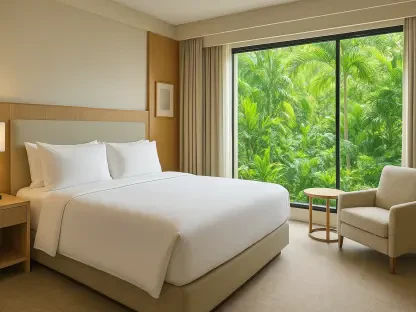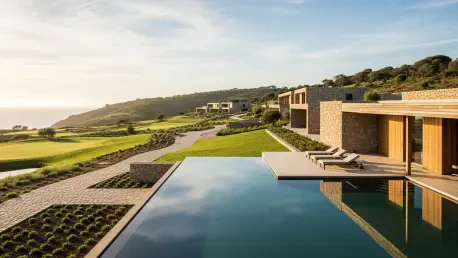

The rugged coastline of Portugal’s eastern frontier is preparing for a significant transformation as one of the most recognizable names in luxury lifestyle hospitality finalizes plans for a new coastal retreat. Nobu Hospitality, founded by Nobu Matsuhisa, Robert De Niro, and Meir Teper, has officially confirmed its entry into the Eastern Algarve through a partnership with the prestigious Monte Rei resort. This move signifies a departure from the traditional, high-density tourist hubs of the central coast, favoring the serene landscapes and preserved natural beauty of the east. By situating this latest project within a thousand-acre estate, the brand aims to offer a refined sanctuary that balances minimalist aesthetics with the rustic charm of the Iberian Peninsula. This development serves as a cornerstone of the company’s strategic expansion within Portugal, creating a synergy between its upcoming urban venture in Lisbon and this rural escape, ensuring a diverse range of traveler experiences.
Architectural Harmony and the Jack Nicklaus Signature Influence
Central to the allure of this new destination is its integration into the existing infrastructure of the Monte Rei Golf and Country Club, home to the renowned Jack Nicklaus Signature Golf Course. The planned resort will feature approximately one hundred meticulously designed guest rooms and suites, providing an intimate atmosphere that contrasts with larger commercial hotel developments found elsewhere. At the heart of the property will be the signature Nobu restaurant, where the brand’s world-famous Japanese-Peruvian fusion cuisine will be served against a backdrop of rolling hills and Atlantic views. This culinary anchor is expected to attract not only resort guests but also gourmands from across the region, further elevating the Eastern Algarve’s status as a premier gastronomic destination. The inclusion of high-end wellness facilities and curated common areas ensures that the guest experience remains cohesive, emphasizing leisure and physical well-being for every visitor who arrives.
Designing such a significant project in a sensitive ecological area requires a delicate touch, which is why the brand has enlisted the expertise of the Rockwell Group and DSA Architects. These firms are tasked with synthesizing the “Nobu way”—characterized by clean lines and natural materials—with the traditional architectural vernacular of southern Portugal. The goal is to create structures that feel organic to the landscape, utilizing locally sourced stone and timber to minimize the visual and environmental footprint of the buildings. This design philosophy extends beyond the hotel itself to the planned twenty-one thousand square meters of branded villas and residences. These private homes will allow investors to immerse themselves in the Nobu lifestyle on a permanent basis, benefiting from the full range of resort services while maintaining the privacy afforded by the estate’s vast acreage. The collaboration ensures that the resort remains a landmark of modern design in this coastal region.
Strategic Brand Expansion and Regional Sustainability
The decision to establish a presence in the Eastern Algarve reflects a broader industry trend where travelers increasingly seek “quiet luxury” and seclusion over mass-market convenience. By selecting a location near the historic town of Tavira and the Ria Formosa Natural Park, the developers are tapping into an area known for its authenticity and ecological diversity. This region offers a distinct alternative to the bustling marinas of central Algarve, catering instead to a demographic that values cultural immersion and environmental stewardship. For Nobu, this project is more than just a hotel; it is a calculated effort to diversify its European portfolio by offering a countryside retreat that complements its urban properties. This expansion occurs during a period of growth for the hospitality group, which has been aggressively pursuing new opportunities in major European markets including Madrid, Amsterdam, and Hamburg. The Monte Rei project stands out due to its focus on low-density development.
In conclusion, the announcement of this luxury resort signaled a pivotal moment for the hospitality landscape of Southern Europe by prioritizing sustainability and architectural excellence. The project successfully bridged the gap between global lifestyle trends and local cultural heritage, proving that high-end tourism could coexist with environmental preservation. For the Eastern Algarve, the arrival of such a prestigious brand provided a significant boost to its international profile, attracting a new wave of discerning travelers who valued privacy and authenticity. The lessons learned during the development phase regarding low-density construction and community integration offered valuable insights for future projects. Moving forward, developers must prioritize environmental stewardship and local integration to ensure that international luxury brands contribute positively to sensitive natural landscapes and the local community. The industry should view the 2029 opening as a catalyst for a more balanced approach to tourism growth.