
The landscape of South Asian travel is currently undergoing a transformative shift as nations seek to move beyond traditional diplomatic relations toward robust, revenue-generating tourism corridors. While regional geopolitical stability has often dictated the flow of people, the latest strategic engagements between Sri Lanka and Bangladesh suggest a departure from passive cooperation in favor of aggressive market integration. During a recent high-level media networking session held at Le Méridien Dhaka, delegates from the Sri Lanka Tourism Promotion Bureau (SLTPB) and various Bangladeshi industry stakeholders convened to outline a roadmap for mutual economic prosperity. The primary objective of this gathering was to capitalize on the increasing purchasing power of the Bangladeshi middle class while positioning Sri Lanka as a premier destination for specialized travel. This diplomatic push is not merely a courtesy; it is a calculated effort to diversify tourism revenue streams and mitigate the risks associated with over-reliance on traditional European markets.
Regional Connectivity and Market Expansion
Leveraging the Surge in Outbound Travelers
The strategic importance of Bangladesh as a primary source market for Sri Lanka has reached a critical juncture in early 2026, necessitating a more nuanced approach to traveler engagement. Approximately 60,000 Bangladeshi tourists visited the island nation over the past twelve months, a figure that has propelled the country into the top ten list of source markets for the Sri Lankan tourism sector. This growth is largely driven by a burgeoning demographic of young professionals and families seeking exotic but culturally accessible destinations within a short flight radius. Industry experts argue that the existing numbers represent only a fraction of the actual market potential, suggesting that with the right promotional strategies, the volume could easily double within the next two fiscal years. By focusing on the shared cultural heritage and geographic proximity, the Sri Lanka Tourism Promotion Bureau aims to create a sense of familiarity that encourages repeat visits and longer stays.
To sustain this momentum, Sri Lankan officials are moving beyond generic marketing campaigns to highlight niche travel segments that resonate specifically with Bangladeshi preferences. This includes a heavy emphasis on adventure tourism, luxury destination weddings, and specialized medical wellness programs that offer high-quality services at competitive regional prices. Furthermore, the promotion of multi-religious cultural sites serves to attract diverse demographics, ranging from history enthusiasts to spiritual seekers. The consensus at the Dhaka summit was that Sri Lanka must be marketed as a safe, versatile, and high-value destination that can cater to both budget-conscious travelers and the ultra-wealthy elite. By diversifying the “product” of Sri Lankan tourism, the SLTPB is working to ensure that the island remains a top-of-mind choice for Bangladeshi holidaymakers who are increasingly looking for personalized and authentic experiences rather than standardized group tour packages.
Enhancing Specialized Travel Corridors
Beyond individual leisure travel, there is a significant push to develop the Corporate and MICE (Meetings, Incentives, Conferences, and Exhibitions) segments between the two nations. SriLankan Airlines has already signaled its commitment to this vision by exploring expanded flight capacities and tailored group services designed to accommodate large-scale corporate events. The airline’s participation in these diplomatic dialogues underscores the vital link between aviation infrastructure and tourism success. Without reliable and high-capacity air links, even the most enticing tourism products remain inaccessible to the mass market. By aligning the interests of the national carrier with the goals of the tourism board, Sri Lanka is attempting to build an integrated ecosystem where travel logistics and destination management work in perfect harmony. This synergy is expected to attract more regional conferences and industry summits to the island, further boosting high-spending arrivals.
Building on this foundation, the integration of professional networks through events like the upcoming B2B Roadshow is designed to bridge the gap between Sri Lankan service providers and Bangladeshi tour operators. These interactions are crucial for establishing trust and creating customized travel itineraries that reflect current market demands. The role of the media in this process cannot be overstated, as public perception remains a powerful driver of travel decisions. By engaging directly with journalists and content creators, the SLTPB is attempting to craft a narrative of safety, luxury, and ease of access. This proactive communication strategy aims to counteract any lingering misconceptions about the region and present Sri Lanka as a modern, vibrant, and welcoming destination. Such efforts are essential for fostering a sustainable tourism corridor that can withstand global economic fluctuations and maintain a steady influx of visitors throughout the calendar year.
Logistical Challenges and Strategic Solutions
Addressing Infrastructure and Cost Barriers
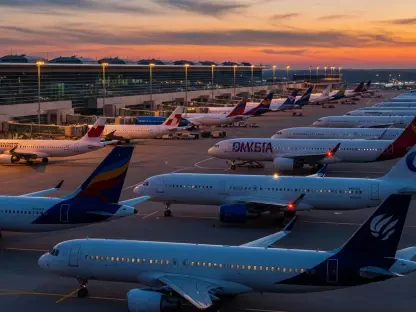
Despite the high level of enthusiasm displayed by diplomats and tourism boards, several practical hurdles continue to impede the full realization of this bilateral tourism potential. Chief among these concerns are the high airfares on the Dhaka-Colombo route, which remain a primary deterrent for many middle-income travelers who might otherwise choose Sri Lanka over competing destinations in Southeast Asia. Mohammad Rafuzzaman, President of the Tour Operators Association of Bangladesh (TOAB), pointed out that while the frequency of flights has stabilized, the price point often exceeds the budget of average vacationers. For the tourism corridor to reach its peak capacity, there must be a concerted effort to optimize route costs or introduce competitive pricing models. Lowering the barrier to entry through more affordable aviation options would likely trigger a surge in spontaneous travel and weekend getaways, significantly increasing overall visitor numbers.
In addition to financial constraints, the complexity of visa procedures has been identified as a significant bottleneck that requires immediate administrative attention. Travelers in the current fast-paced environment increasingly demand seamless, digital-first entry processes that minimize bureaucratic friction. Stakeholders from both nations have emphasized that simplifying the visa application system—or moving toward a visa-on-arrival or electronic travel authorization model specifically for regional partners—would be a game-changer. Reducing the time and effort required to secure entry permits allows travel agencies to market “last-minute” deals more effectively, capturing a segment of the market that values convenience above all else. Addressing these logistical inefficiencies is not just a matter of convenience; it is a structural necessity for any nation that wishes to remain competitive in a global market where travelers are spoiled for choice and have little patience for red tape.
Implementing Long-Term Structural Improvements
To ensure these discussions lead to tangible results, the focus must now shift toward the implementation of a unified digital platform that connects Bangladeshi tour operators directly with Sri Lankan hospitality providers. Such a system would allow for real-time booking, transparent pricing, and specialized packages that can be updated instantly based on seasonal trends or demand spikes. By utilizing technology to streamline the supply chain, both nations can reduce the overhead costs associated with traditional travel brokerage, passing those savings on to the consumer. Furthermore, the establishment of a joint tourism task force would provide a formal mechanism for addressing ongoing issues such as baggage regulations, airport transit improvements, and joint marketing initiatives. This collaborative approach ensures that the momentum generated during high-profile networking sessions is translated into long-term policy changes and sustained economic growth for both countries.
Looking ahead, the success of this partnership will depend on the ability of both governments to view tourism as a core pillar of their economic recovery and growth strategies. This involves not only promotional efforts but also significant investment in human capital and service standards to ensure that the traveler experience matches the marketing promise. Training programs for hospitality staff, focusing on the specific cultural nuances and dietary preferences of Bangladeshi visitors, could further enhance the appeal of Sri Lankan resorts. Simultaneously, Bangladesh can benefit from Sri Lanka’s extensive experience in sustainable tourism management, adopting best practices to improve its own domestic travel infrastructure. By fostering this two-way exchange of expertise and visitors, the region can move toward a more integrated and resilient tourism economy. The focus should remain on creating a frictionless travel environment where economic benefits are shared equitably across the entire value chain.