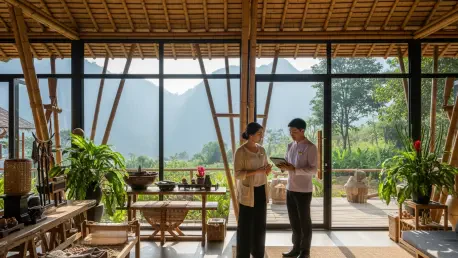

The era of chasing record-breaking visitor numbers has officially come to an end as the Kingdom of Thailand recalibrates its entire tourism apparatus to prioritize economic resilience over raw volume. By mid-2026, the nation has moved away from traditional mass tourism, acknowledging that measuring success solely by the number of arrivals is no longer a viable strategy for long-term growth. The previous reliance on high-headcount metrics often ignored the massive environmental and social costs associated with overtourism, leading to the degradation of key natural assets. Government authorities have dismantled these outdated frameworks, recognizing that a surge in visitors does not necessarily translate into higher profitability when local infrastructure and resources are stretched to their limits. Instead, the focus has shifted toward securing travelers who contribute more significantly to the local economy while placing fewer burdens on the environment. This represents a profound evolution in how the country views its most critical economic sector today.
Economic Restructuring: Moving Beyond Traditional Growth Metrics
The core of this strategy involves a total overhaul of Key Performance Indicators to focus on revenue quality and equitable income distribution across the nation. By targeting high-spending travelers and encouraging them to explore secondary provinces, the government hopes to spread wealth to rural areas and relieve the pressure on primary cities. This approach aims to prevent the concentration of wealth in a few over-saturated markets while providing travelers with more authentic community engagements. The focus on high-value tourists allows for a reduction in total foot traffic without sacrificing the financial contributions necessary for the tourism industry’s survival. This restructuring ensures that the economic benefits of tourism reach local artisans, small-scale farmers, and family-owned hospitality businesses rather than remaining trapped within major metropolitan hubs. Consequently, the national economy becomes more resilient by diversifying its revenue streams across a broader geographic area.
Infrastructure failure, especially in hotspots like Phuket, served as a catalyst for this shift after waste management and transportation systems reached a breaking point. The current management plan recognizes that failing to maintain destination quality diminishes the premium experience that affluent visitors expect and harms the local quality of life. Investing in destination management and infrastructure resilience is now viewed as a necessary step to prevent irreversible damage to the country’s beaches and cultural sites. Heavy investments in modern waste processing facilities and efficient public transport systems are being prioritized to support this new model. By ensuring that the physical foundations of tourism are robust, the government can justify the shift toward a more exclusive and expensive visitor experience. This focus on durability protects the long-term value of Thailand’s natural assets, ensuring they remain attractive to global travelers who are increasingly concerned with the quality and cleanliness of their surroundings.
Environmental Adaptation: Closing the Sustainability Gap
Climate change poses a direct threat to many of the country’s tourism assets, requiring localized strategies to combat rising sea levels and extreme weather patterns. Protecting coastal ecosystems and building resilience have become essential competitive advantages for attracting environmentally conscious travelers with significant spending power. Because risks vary by region—such as drought in the north versus coastal erosion in the south—the framework emphasizes destination-specific adaptation plans. These plans involve everything from restoring mangrove forests to implementing advanced water conservation techniques in arid regions. By proactively addressing these environmental challenges, the nation positions itself as a responsible destination for the modern traveler. This strategic alignment with global environmental goals not only helps preserve the natural beauty that drives tourism but also mitigates the financial risks associated with climate-related disruptions to travel and hospitality operations.
A major hurdle in this green transition remains the sustainability gap between large international hotel chains and small-scale local operators. While major corporations have the resources to navigate a complex maze of certifications, small and medium-sized enterprises often lack the financing and technical expertise to keep up. Without targeted support and simplified standards, the transition to sustainable tourism risks becoming an exclusive club that ignores the guesthouses and local tours that provide authentic experiences. Government initiatives are now focusing on providing technical assistance and low-interest loans to help smaller businesses adopt greener practices. This inclusive approach is vital for maintaining the diverse range of offerings that make the local tourism scene so unique. By bridging this gap, the industry ensures that sustainability is a universal standard rather than a luxury reserved for the highest-priced establishments. This creates a more cohesive and credible environmental message for the entire tourism sector.
Supply Chain Modernization: Decarbonization and Visa Policy Shifts
True low-carbon tourism requires moving beyond hotel-centric sustainability to address carbon-intensive transportation and the fossil-fuel-reliant national energy grid. Systemic changes, such as adopting electric mobility for island ferries and local transport, are vital for achieving genuine environmental goals. The current strategy emphasizes that individual business efforts, such as reducing plastic use, are insufficient without a coordinated modernization of the broader tourism supply chain. Transitioning to renewable energy sources for public utilities and supporting the electrification of the transport sector are now seen as national priorities. These improvements reduce the overall carbon footprint of a visitor’s journey from arrival to departure. By modernizing the logistics of travel, the nation can offer a truly green experience that matches the expectations of high-value, eco-conscious travelers. This holistic view of the supply chain ensures that sustainability is woven into every aspect of the travel experience, not just the stay itself.
Visa policies are also being adjusted to attract long-stay visitors and digital nomads who contribute more to the local economy over a longer period. However, this creates a delicate balancing act for the government, as it must prevent these visitors from driving up local housing costs and displacing residents in already crowded urban centers. The goal is to invite visitors who stay longer and spend more while mitigating the social pressures that come with prolonged stays in popular hubs. Specialized visa categories now require higher income thresholds or specific health insurance coverages to ensure that long-term residents are self-sufficient and contribute positively to the economy. This targeted approach filters for high-quality residents who are likely to invest in the community or support local businesses consistently. By managing the demographic of long-stay visitors, the country can enjoy the benefits of consistent tourism revenue without the volatility often associated with short-term mass-market arrivals.
Strategic Outlook: Evaluating the Long-Term Impact of Quality Control
For travelers, the era of Thailand being known primarily as a dirt-cheap destination is fading in favor of better-managed sites and reduced congestion. While the experience is becoming more premium and costs are inevitably rising, visitors can expect more robust environmental protections and a higher standard of service. However, the current fragmentation of green certifications means travelers must still perform their own due diligence to ensure their spending aligns with their values. The move toward a high-value model means that the crowds of the past are replaced by a more curated and exclusive atmosphere. This shift appeals to a demographic that values privacy, luxury, and ethical consumption over budget-friendly travel. While some budget travelers may feel priced out, the overall improvement in site maintenance and service quality aims to provide better value for those willing to invest more in their trip. This evolution marks a transition from a volume-based market to one defined by prestige and care.
The ultimate success of the transition depended on the ability to unify environmental standards and provide technical support to the entire tourism sector. Authorities recognized that bridging the sustainability gap and modernizing transport infrastructure were the most critical steps for long-term economic survival. Leaders implemented comprehensive training programs for small businesses to ensure they were not left behind during the shift to greener operations. Financial frameworks were adjusted to reward companies that demonstrated verifiable reductions in their carbon footprints. These actions ensured that the country’s natural and cultural heritage remained preserved for the enjoyment of future generations. The transition moved beyond simple marketing changes, becoming a necessary evolution for the nation’s primary economic engine. By focusing on value over volume, the government successfully protected the environment while enhancing the profitability of the hospitality industry. This strategic pivot established a new global benchmark for sustainable and high-value tourism management.