
In the bustling, ever-changing landscape of New York City, where luxury is often defined by fleeting trends and overt displays of opulence, a quiet and assured presence on the Upper East Side offers a more profound indulgence. For a century, the building on the corner of Madison Avenue and 77th Street has stood as a bastion of elegance, but its modern incarnation transcends the typical five-star experience by cultivating a sense of cultivated familiarity. It operates not as a transient stop for visitors but as a venerable neighborhood institution, a “well-dressed neighbor” that grants its guests a feeling of temporary citizenship. This unique identity is built on a foundation of understated confidence and impeccable style, where the ultimate luxury is not just what you see, but the rare sensation of being seen and recognized. By seamlessly integrating into the rhythm of its prestigious surroundings, it provides an escape that feels less like a hotel stay and more like a homecoming to a life one might wish to lead, offering a sense of belonging in a metropolis known for its anonymity.
A Study in Transatlantic Elegance
The hotel’s distinctive character was decisively shaped by its transformative reimagination, which commenced in 2005 under the direction of visionary French designer Jacques Grange. Tasked with honoring a landmark building’s historic dignity while infusing it with a modern spirit, Grange masterfully avoided fleeting trends in favor of a definitive and enduring aesthetic. He introduced a high-French sensibility that engaged in a sophisticated dialogue with classic American comfort. The result is an environment that feels both impeccably curated and deeply welcoming, a delicate balance that has become the hotel’s design signature. Grange’s approach was a study in contrasts, blending Parisian chic with New York’s effortless ease, and contemporary artistic lines with plush, comfortable furnishings. This fusion created a visual language that is bold yet refined, ensuring that the hotel’s interiors feel as relevant and captivating today as they did upon their debut, establishing a timeless backdrop for the modern Manhattan experience.
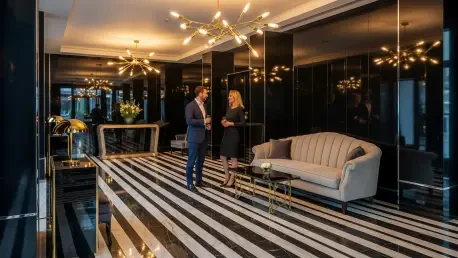
This carefully orchestrated ambiance is brought to life through a symphony of striking materials, bespoke furniture, and artistic collaborations. The public spaces are immediately recognizable for their bold black-and-white marble floors, a graphic statement of sophisticated glamour that sets a dramatic tone upon entry. This is complemented by lustrous, high-gloss lacquered walls and sculptural lighting fixtures that function as works of art in their own right, casting a warm and inviting glow throughout the lobby and bar. The aesthetic is further elevated by custom pieces from some of the world’s most celebrated artists and designers, including contributions from the legendary Karl Lagerfeld. Every element, from the custom-designed seating to the curated art, is meticulously chosen to contribute to a cohesive whole. This attention to detail ensures that while the design is undeniably grand and luxurious, it never feels impersonal or cold, instead creating a series of intimate, residential-style spaces where guests can feel comfortably at home.
An Epicenter of Curated Living
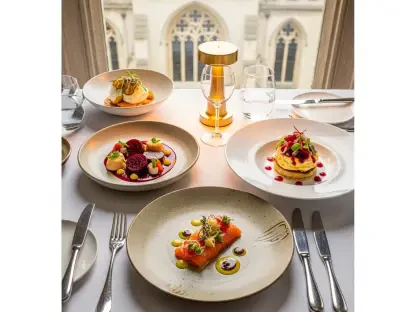
More than just a place of accommodation, the hotel functions as a self-contained ecosystem that offers a curated microcosm of Manhattan life within its walls, making it a powerful social hub on the Upper East Side. The ground floor serves as a vibrant gathering point, anchored by The Mark Restaurant by Jean-Georges, a culinary destination that draws in discerning locals and international visitors alike. Its lively atmosphere and acclaimed cuisine make it a cornerstone of the neighborhood’s social scene. The experience extends beyond dining, with a suite of premier on-site amenities that cater to every need. Guests can refresh their look at the world-renowned Frédéric Fekkai Salon, browse a thoughtfully selected collection of books at the Assouline bookshop, or utilize the hotel’s charming and dedicated pedicab service for a unique journey through the surrounding streets. This comprehensive offering creates an environment of unparalleled convenience and exclusivity, where the best of the city is brought directly to the guest’s doorstep.
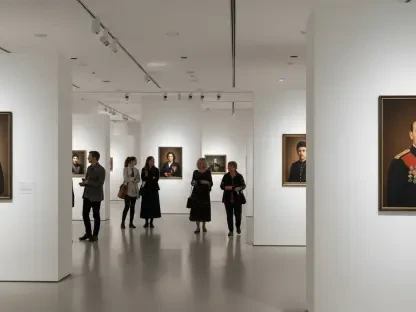
The hotel’s strategic location places it at the absolute epicenter of New York’s most revered cultural and retail destinations, solidifying its status as an integral part of the neighborhood. A short, leisurely stroll is all that separates guests from the tranquil greenery of Central Park, providing an immediate escape into nature. In the opposite direction lies the famed Museum Mile, a stretch of Fifth Avenue that is home to some of the world’s most prestigious institutions, including The Metropolitan Museum of Art and the Guggenheim. Furthermore, the high-fashion boutiques and art galleries of Madison Avenue are just steps away, offering an unrivaled shopping experience. This prime positioning allows guests to effortlessly immerse themselves in the city’s finest offerings, reinforcing the feeling of being a resident rather than a visitor. The hotel acts as a luxurious anchor in a sea of cultural riches, providing both a sanctuary from the city’s pace and a perfect launchpad for exploring its treasures.
A Legacy of Quiet Recognition
The hotel’s most defining role had often been its quiet, yet significant, position at the center of high-profile cultural events, most notably serving as the unofficial headquarters for the annual Met Gala. It became the backdrop where the tension between private preparation and public performance played out, a discreet stage for the world’s most watched fashion event. This identity, chronicled in a book by Derek C. Blasberg, was never about transient stays but about the “accumulated moments” that built its modern legacy. It offered a unique form of luxury that went beyond opulent amenities, rooted instead in the profound feeling of recognition it provided within the whirlwind of a fast-paced metropolis. By making its guests feel known and seamlessly integrated into the neighborhood’s exclusive rhythm, the hotel provided an enduring indulgence that set a new standard for five-star service and cemented its place as a quintessential New York institution.