
A New Era of Transatlantic Luxury Hospitality
The prestigious arrival of The Wolseley Hotels in New York City represents a defining moment in the evolution of international high-end hospitality. More than just the opening of a new building, this flagship project signifies the strategic translation of a quintessential British institution into a global luxury brand. Scheduled to debut in early 2027, the hotel aims to synthesize the refined Art Deco heritage of London’s Piccadilly with the relentless, cosmopolitan energy of Manhattan. By bringing the sophisticated atmosphere of the original London restaurant to the United States, the brand positions itself as a vital bridge between classical European elegance and modern American luxury. This move is particularly relevant in today’s market, where discerning travelers increasingly seek experiences that offer both historical depth and contemporary comfort. The entry of The Wolseley into the New York market thus stands as a pivotal milestone for global tourism and the ongoing revitalization of Midtown Manhattan.
Chronology of the Wolseley’s Journey to Manhattan
1905: The Architectural Foundation of the New York Site
The historical narrative of the flagship’s location began long before the hotel was even a concept. In 1905, the legendary architectural firm McKim Mead White designed the landmark structure at 130 West 44th Street. Originally serving as the clubhouse for The Lambs Club, which is recognized as America’s oldest theatrical society, the building became a cornerstone of Midtown’s cultural identity. This deep historical pedigree provides the essential structural “bones” for the new hotel, ensuring the property remains rooted in the theatrical and artistic legacy of Broadway and Bryant Park.
2003: The Birth of an Icon on London’s Piccadilly
While the New York site was already a landmark, the brand’s soul was forged across the Atlantic in 2003. The opening of The Wolseley in London transformed a former car showroom and bank into a grand café that quickly earned a reputation for impeccable all-day dining and meticulous Art Deco design. The overwhelming success of this London institution created the blueprint for a hospitality group, proving that a specific blend of grandeur and accessibility could define a modern luxury brand.
2024: Official Announcement of Global Expansion
The Wolseley Hotels officially signaled its intent to become a premier global player by announcing the New York flagship as its inaugural international venture. This announcement clarified a bold vision: to take the aesthetic and service standards of the London restaurant and expand them into a full-service luxury hotel experience. The selection of the McKim Mead White building was revealed as the centerpiece of this strategy, linking the brand’s British roots with a quintessentially New York historical context.
Early 2027: The Scheduled Launch of the New York Flagship
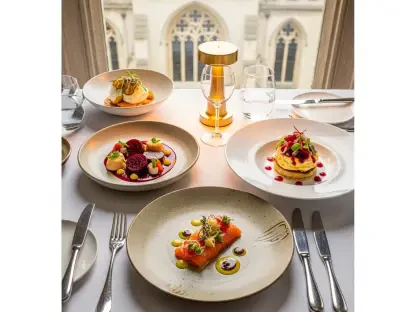
The timeline culminates in early 2027 with the projected grand opening of the hotel. This event will unveil 76 bespoke guest rooms and suites, a cellar-level speakeasy, and a holistic wellness center. Most importantly, it will mark the debut of The Wolseley New York restaurant. This opening served as the first step in a broader global rollout, with subsequent properties planned for major hubs across Europe, Asia, and the Middle East, using this New York model as the definitive template for international growth.
Key Turning Points in the Evolution of a Global Brand
The most significant turning point in this journey was the decision to transition from a singular, iconic restaurant to a comprehensive luxury hotel brand. This shift indicates a pattern of lifestyle scaling, where a brand’s reputation for culinary excellence is leveraged to create a 360-degree guest experience. The integration of a landmark 1905 building highlights a theme of architectural preservation as a luxury asset, showing that modern travelers value the “soul” of a property as much as its amenities. A notable pattern emerged in the “British-to-Global” pipeline, where established London brands sought growth in New York’s competitive market to validate their international appeal. This project addressed a specific gap in the Midtown market for intimate, high-service boutique luxury that avoided the clinical feel of larger corporate chains.
Nuances of the Wolseley’s Strategic Market Entry
The Wolseley’s approach to New York involved a sophisticated understanding of regional differences and competitive factors. By choosing a site with deep ties to the theatrical community, the brand avoided the “imported” feel that often plagues international expansions. Industry experts suggested that the success of the New York flagship relied on its ability to maintain the “all-day dining” culture that made the London original famous, adapted for the faster pace of Manhattan. A common misconception was that the hotel would be a mere copy of the London site; however, the inclusion of a cellar speakeasy and specialized wellness facilities demonstrated a tailoring to New York’s specific luxury preferences. This expansion reflected an emerging innovation in hospitality where the anchor restaurant was no longer just a perk but the primary driver of the hotel’s social identity and brand loyalty. This methodology ensured the property remained a destination for locals and travelers alike, fostering a vibrant, lived-in atmosphere from day one. Future observers should monitor how the brand maintains service consistency as it scales to diverse markets like Tokyo or Dubai.