
The long-held perception of Paris as a city confined to its historic central arrondissements is rapidly giving way to a new reality, where dynamic growth and strategic development are redefining the metropolitan landscape. As the city’s economic pulse extends westward, the suburb of Nanterre has emerged as a pivotal hub, attracting a new wave of travelers and investment. The recent opening of the Adagio Access Nanterre aparthotel on February 3rd, 2026, is not merely another addition to the region’s accommodation options; it is a clear indicator of a strategic shift in where modern visitors choose to stay, work, and explore.
Beyond the Heart of Paris Where is the City’s New Strategic Hub for Travelers
For decades, the allure of Paris has been intrinsically linked to its central landmarks. However, a significant westward expansion has shifted the city’s center of gravity. This movement is largely driven by the evolution of La Défense, Europe’s largest purpose-built business district, which has transformed the western suburbs from peripheral zones into primary economic engines. This geographic rebalancing has created a demand for accommodation that serves not only tourists but also a growing population of business professionals, academics, and event attendees.
Nanterre, directly adjacent to this bustling financial center, finds itself at the epicenter of this transformation. Its development is a response to the practical needs of a modern metropolis, offering a compelling alternative to the congestion and premium costs of central Paris. The area provides a strategic base that caters to diverse itineraries, reflecting a broader trend where convenience, connectivity, and value are becoming paramount for travelers.
The Rise of the Aparthotel and the Westward Shift of Parisian Life
Coinciding with this geographical shift is the growing preference for the aparthotel model. Modern travelers, particularly those on extended stays for business or academic purposes, increasingly seek the independence and flexibility that traditional hotels cannot always provide. The desire for a self-sufficient living space, complete with kitchen facilities and home-like amenities, has propelled aparthotels from a niche market into the mainstream. This model empowers guests with autonomy, allowing them to maintain their routines while away from home.
The Adagio Access Nanterre perfectly embodies the convergence of these two trends. As the brand’s 41st property in the Île-de-France region, its location and format are a direct response to market demands. By offering apartment-style living in a strategic, high-growth area, it caters to a new generation of visitors who value both practicality and comfort. This approach acknowledges that for many, a trip to the Paris region is about more than just sightseeing; it is about living and working efficiently.
Deconstructing Nanterre’s Appeal Location Connectivity and Modern Living
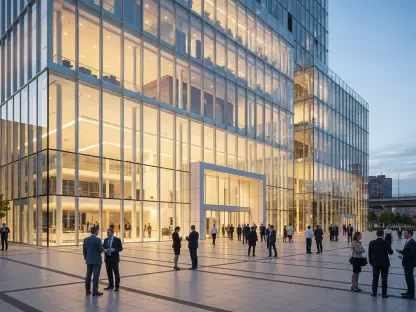
The aparthotel’s strategic value is deeply rooted in its integration within the La Défense ecosystem. Positioned within the new “La Place des générations” mixed-use development, it offers direct access to corporate headquarters, the Paris La Défense Arena, and the influential Paris Nanterre University. This proximity makes it an ideal lodging solution for professionals on assignment, academics attending conferences, and visitors attending major events, placing them exactly where they need to be without the hassle of a long commute.
Furthermore, Nanterre’s unparalleled connectivity solidifies its status as a logistical hub. The nearby RER A line provides a direct and rapid link to central Paris, while the T2 tramway and the A86 motorway offer seamless access to the wider region. This transport network ensures that guests can navigate the capital with ease, whether for a business meeting in La Défense or a cultural excursion to the Louvre.
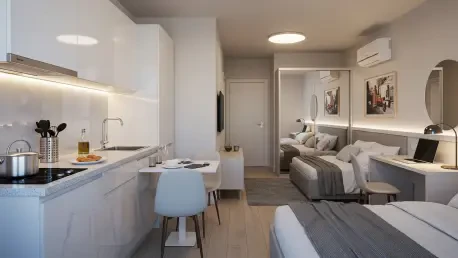
The 132 functional apartments are designed to foster independence. Each unit is fully equipped with a kitchen, allowing guests to manage their own meals and schedules. This self-sufficiency is enhanced by practical amenities, including a 24/7 gym, self-service laundry facilities, and available parking. The property also demonstrates a commitment to inclusivity, with several family-sized rooms and accessible units for people with reduced mobility.
An Expert Perspective Why Adagio is Betting on Nanterre
The decision to establish a significant presence in Nanterre was a calculated move, as confirmed by Arthur Jaeger, Adagio’s Director of Development & Programs. He validates the choice as a direct reflection of the brand’s strategy to expand into high-growth areas that meet the diverse needs of contemporary travelers. The location was identified as a prime opportunity to serve both the robust long-stay business market and the increasing number of urban explorers seeking value and convenience.
This opening reinforces the brand’s broader expansion goals across the Île-de-France region. According to Jaeger, Nanterre represents the ideal profile for a modern Adagio location: a dynamic, well-connected area with a multi-faceted demand base. By planting a flag here, the company is not just adding another property; it is making a definitive statement about the future of hospitality in the Paris metropolitan area and its confidence in the continued growth of the western suburbs.
The Nanterre Advantage A Practical Hub for Every Itinerary
The aparthotel’s design and location create a versatile base that serves a wide spectrum of visitors. For long-stay business professionals, it offers a functional and connected home-away-from-home, streamlining work assignments in La Défense. Academics and university visitors benefit from its immediate proximity to the Paris Nanterre University campus, facilitating research, collaboration, and educational pursuits. For leisure travelers, it serves as an affordable and accessible launchpad for exploring the capital, combining suburban tranquility with effortless access to Parisian attractions.
The facility’s approach also extends to the conscious traveler. Adagio Access Nanterre has implemented a robust Corporate Social Responsibility plan aimed at minimizing its environmental footprint. This includes a comprehensive energy-saving policy, responsible water management through efficiency fixtures, and a commitment to supporting local producers in its breakfast and grocery offerings. By promoting sustainable mobility through its proximity to public transit and engaging with the local community, the aparthotel catered to visitors who prioritize responsible and ethical travel choices.