
Katarina Railko is a distinguished hospitality expert who has spent years refining her craft within the high-stakes world of international travel and tourism. With a background deeply rooted in the management of large-scale entertainment events and global conferences, she brings a unique perspective to the intersection of corporate logistics and guest comfort. Our conversation explores the strategic opening of the Radisson Hotel Amsterdam Schiphol Airport Hoofddorp, focusing on how the brand balances the frantic pace of an airport hub with the serene, functional principles of Scandinavian design.
The following discussion examines the logistical intricacies of transport in a major business park, the architectural role of natural light in guest wellness, and the operational demands of 24-hour service. We also delve into the technological requirements of modern meeting spaces and the specific amenities that provide frequent travelers with a sense of reliability and home.
Located 7 km from Amsterdam Schiphol and 1 km from the train station, this site sits within a major business park. How do you manage the logistical challenges of guest transport, and what strategies ensure short-stay travelers feel connected to both the local business district and the city center?
Managing a property in the heart of Beukenhorst Business Park requires a seamless bridge between transit and tranquility to ensure guests never feel isolated. By offering a dedicated airport shuttle and leveraging our proximity to the Hoofddorp Train Station just 1 km away, we remove the friction of travel for guests arriving from Amsterdam Schiphol, which is only 7 km from our doors. We ensure guests feel connected by positioning the hotel as a practical base that provides direct access to major highways and public transport, allowing for effortless transitions between corporate meetings and the vibrant energy of Amsterdam’s city center. It’s about creating a sense of reliability where the guest never feels “stuck” at the airport, but rather integrated into the regional flow through visible and efficient transport links.
The design incorporates natural wood textures and specific blue-green tones to create a calming environment. How does this Scandinavian-inspired aesthetic influence the guest experience, and what specific architectural choices were made to maximize the impact of natural light throughout the 281 rooms?
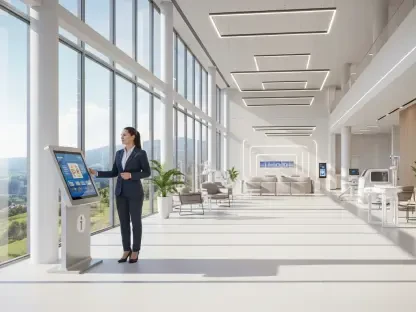
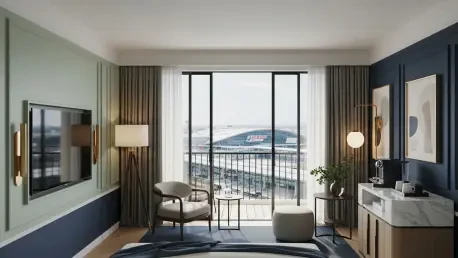
The Scandinavian aesthetic is more than just a visual choice; it is a psychological tool used to lower the stress levels of international travelers who are often navigating the chaos of transit. Within our 281 rooms, we utilize organic wood textures and a palette of calming blue-green tones to create a sanctuary that feels worlds away from the sterile, fluorescent atmosphere of an airport terminal. We prioritized architectural features like expansive windows to ensure every room is flooded with natural daylight, which is essential for regulating the circadian rhythms of guests crossing multiple time zones. This intentional connection to the outdoors, combined with the soft, tactile materials inside, transforms a standard hotel stay into a restorative experience that promotes mental clarity and physical relaxation.
With a full-service restaurant, a social bar space, and a 24-hour shop, the facility caters to various traveler schedules. What operational steps are involved in balancing these diverse dining options, and how do you tailor the menus to serve both international visitors and local professionals?
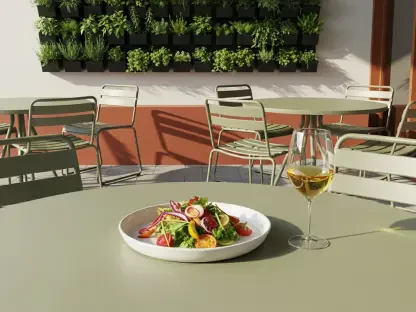
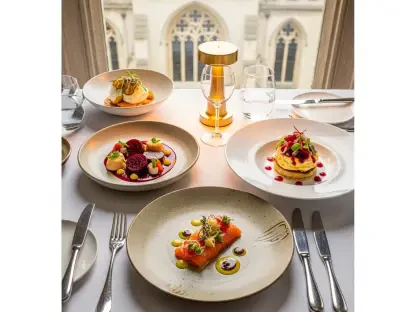
Balancing three distinct culinary outlets requires a highly synchronized operational rhythm to meet the needs of guests who might be on “New York time” or “Tokyo time” while in Hoofddorp. At Cloud Nine, our full-service restaurant, we focus on a menu of fresh, international dishes that provide a sense of culinary home for travelers from all corners of the globe. The Hangar Bar serves as the social heartbeat of the hotel, where we’ve curated an environment perfect for informal meetings or winding down with a cocktail after a long day of strategy sessions. For those on a tighter schedule, our 24-hour Grab & Go Shop provides a constant solution, ensuring that no matter when a guest arrives or departs, they have access to high-quality sustenance and a warm welcome.
Flexible meeting spaces with movable walls allow for various corporate configurations across 300 square meters. How do you optimize these rooms for different types of collaboration, and what specific technologies have been integrated to support modern hybrid meetings or high-stakes strategy sessions?
Our 300 square meters of event space was designed with the philosophy that the physical environment dictates the quality of collaboration. We’ve implemented six flexible meeting rooms equipped with movable walls, allowing us to pivot from intimate team-building huddles to large-scale corporate presentations in a matter of minutes. Each space is outfitted with the latest integrated technology to support high-stakes strategy sessions and the seamless execution of hybrid meetings, ensuring remote participants feel just as present as those in the room. By flooding these spaces with natural daylight, we keep the energy high and the focus sharp, moving away from the “windowless box” feel that so often plagues traditional airport conference centers.
Modern travelers often prioritize features like personal device streaming and climate control, while executive rooms offer private balconies. Can you walk us through the decision-making process for these specific in-room amenities and how they contribute to the sense of reliability expected by frequent business travelers?
The decision-making process for our in-room amenities centers on the concept of “frictionless living,” where the hotel environment adapts to the guest rather than the other way around. Frequent business travelers rely on consistency, which is why we’ve standardized high-speed Wi-Fi, individual climate control, and flat-screen TVs with personal device streaming across all categories to allow for a personalized entertainment experience. For those seeking an elevated stay, our Executive Rooms feature private balconies, providing a rare sensory connection to the fresh air and surroundings that is often missing in airport-hub accommodations. Even the simple inclusion of in-room coffee and tea makers serves as a foundational comfort, allowing guests to start their day with a familiar ritual before heading out to the business park.
What is your forecast for the hospitality industry in major European airport hubs?
My forecast for the hospitality sector in major European hubs like Schiphol is a decisive move toward “lifestyle transit” properties that blur the line between airport hotels and city-center boutique stays. We are seeing a significant shift where travelers are no longer satisfied with just a bed near the runway; they are demanding high-design environments, flexible work-play spaces, and authentic local energy. As business travel continues to stabilize, properties that can offer 281 rooms of consistent quality while maintaining a distinct personality through Scandinavian design and social hubs like the Hangar Bar will lead the market. The future lies in creating spaces that are not just stops along a journey, but actual destinations that offer genuine comfort and technological sophistication for the modern global citizen.