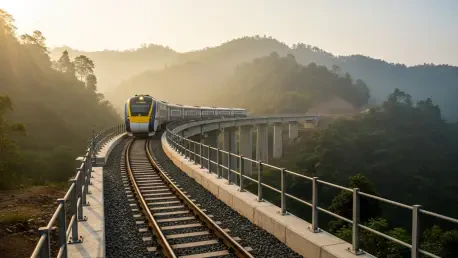

Nestled in the lush landscapes of India’s Northeast, the state of Mizoram is experiencing a tourism surge of historic proportions, rapidly transforming it into the region’s most dynamic and sought-after destination. This remarkable growth, as noted by Governor VK Singh, positions the state at the forefront of the regional tourism industry. The numbers alone tell a compelling story of sudden and significant change. In just the nine months leading up to December 2025, Mizoram welcomed an astonishing influx of over 679,000 visitors, a figure that includes more than 9,600 international tourists. This represents a substantial 29.5% increase compared to the total arrivals for the entire previous year, underscoring a powerful new trend. The momentum peaked dramatically in December 2025, which saw an unprecedented wave of over 133,000 tourists, marking a staggering 122.11% spike from the same month one year prior. This is not a gradual uptick but a seismic shift, fundamentally altering the state’s economic landscape and prompting a closer look at the key factors fueling this extraordinary boom.
The Railway Revolutionizing Access
A pivotal catalyst behind this tourism renaissance has been the Bairabi-Sairang rail line, a project widely hailed as a historic milestone for regional connectivity. Before its completion, reaching the heart of Mizoram was a considerable challenge, often deterring all but the most determined travelers. The new railway has effectively changed the game by integrating the capital city, Aizawl, into the vast national grid for the first time. This newfound accessibility has done more than just shorten travel times; it has opened a vital economic corridor, creating a ripple effect that touches nearly every sector. The immediate impact on tourism has been profound, as the dramatic visitor statistics demonstrate. By providing a reliable, comfortable, and efficient mode of transportation, the railway has made the state’s pristine hills, vibrant culture, and serene landscapes accessible to a much broader audience. This infrastructural leap has not only fueled the influx of tourists but has also laid the groundwork for new opportunities in trade, commerce, and local employment, heralding a new era of prosperity.
Strategic Investments in Sustainable Growth
Capitalizing on this momentum, the state government launched a series of proactive and strategic initiatives designed to ensure the tourism boom is both sustainable and beneficial for the long term. Recognizing that the state’s natural beauty is its greatest asset, there has been a significant push toward promoting eco-tourism. This vision was backed by substantial central government funding for several high-value infrastructure projects aimed at enhancing the visitor experience without compromising environmental integrity. Key developments included a Rs 34.5 crore ropeway at the breathtaking Vantawng falls and a Rs 5.47 crore investment to develop modern amenities at the ancient Vangchhia menhirs site, a project under the PRASHAD scheme. Furthermore, a Rs 9.97 crore convention center in Thingsulthliah was developed to attract business and event-based tourism. To formalize this commitment to sustainability, the state’s Tourism Department forged a crucial partnership with the Environment, Forests & Climate Change department, creating a cooperative framework that has proven essential in balancing growth with conservation.