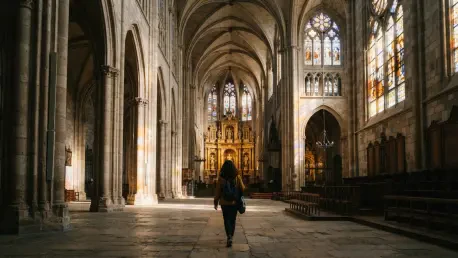

Travelers planning a journey in 2027 must navigate a complex historical narrative shaped by the convergence of Roman, Visigothic, Islamic, and Christian civilizations over two millennia. Spain remains a premier global destination, captivating visitors with its sun-drenched Mediterranean coastlines, world-renowned culinary scene, and sophisticated infrastructure that seamlessly connects ancient walled cities with high-speed metropolitan hubs. As the 2027 travel landscape continues to evolve, the focus shifts toward a mix of bustling metropolises, historic university towns, and tranquil islands that offer more than just a surface-level vacation. This guide provides a strategic roadmap for navigating the country’s vast offerings, from the intricate Gothic cathedrals of the north to the sprawling Moorish palaces of the south, ensuring a journey that captures the true essence of the Iberian Peninsula. Modern exploration requires a deeper understanding of how these layers of history manifest in contemporary life, where a Roman ruin might serve as the foundation for a trendy boutique hotel or a medieval market square becomes the epicenter of a digital nomad community. By prioritizing destinations that offer significant cultural and sensory experiences, travelers can engage with a multifaceted modern identity that is both a living museum and a high-energy society.
Discovering the Intersection of History and Modernity
A recurring theme for those venturing through Spain in 2027 is the seamless integration of ancient history with contemporary energy. This duality is perhaps most visible in cities like León and Salamanca, where the heavy presence of sandstone monuments and Gothic architecture does not lead to a stagnant atmosphere. Instead, these locations are celebrated for their vibrant nightlife, largely driven by energetic student populations and local revelry that breathes life into the centuries-old plazas. In León, the solemnity of the medieval walls and the cathedral’s towering spires contrast sharply with the animated social scenes found in the narrow alleys of the Casco Antiguo. This ensures that a trip to Spain is never purely an academic exercise in historical observation; it is an active participation in a culture that remains remarkably alive and perpetually evolving. The interaction between a millennial student and a thousand-year-old stone archway creates a unique social friction that defines the modern Spanish experience, where the past is not merely preserved but lived every day.
The architectural landscape of the country serves as a physical record of its long and varied history, prompting many to embark on what can only be described as an architectural pilgrimage. Travelers in 2027 seek out specific styles that map the nation’s cultural shifts, ranging from the ornate Plateresque façades of the university buildings in Salamanca to the stern, imposing Gothic structures of the northern plains. In the southern regions, the legacy of the Islamic Caliphates is felt through the intricate tilework and horseshoe arches of Mudéjar design, which persists in cities like Granada and Sevilla. Meanwhile, the coastal hubs of Barcelona and Valencia provide a sharp counterpoint with the surrealist shapes of Antoni Gaudí and the futuristic, skeletal designs of Santiago Calatrava. This architectural diversity functions as a cultural map, allowing visitors to visualize the various empires and artistic movements that have claimed this land. Each structure tells a story of conquest, innovation, or spiritual devotion, making the act of walking through a Spanish city an immersive lesson in global history and design.
Experiencing Gastronomy and Dramatic Geography
Food remains a primary pillar of the Spanish travel experience in 2027, treated as a fundamental cultural ritual rather than mere sustenance. To truly understand the heart of the country, one must engage with its culinary traditions, which vary wildly from one province to the next. In the País Vasco, San Sebastián maintains its status as a global gourmet capital through its pintxos culture, where small, artistic bites are served in crowded bars, encouraging a social and nomadic style of dining. Conversely, the eastern coast around Valencia remains the definitive home of paella, where the preparation of saffron-infused rice is a guarded local art form. Even the spiritual terminus of Santiago de Compostela offers a unique gastronomic identity centered on the heavy use of Atlantic seafood and galego produce. These regional flavor profiles reflect the specific geography and agricultural traditions of the land, making every meal an act of discovery that connects the traveler to the very soil and sea that define the ibérico heritage.
Geography also plays a crucial role in shaping the aesthetics and lifestyle of Spanish towns, particularly those located in dramatic or challenging environments. In 2027, destinations like Cuenca and Cadaqués continue to fascinate visitors because of how their physical surroundings have dictated their development for centuries. Cuenca is famously built on the rim of deep river gorges, with its casas colgadas appearing to defy gravity as they teeter over the precipice—a feat of medieval engineering that remains breathtaking today. On the Costa Brava, the secluded bay of Cadaqués offers a different kind of geographic isolation, where the rugged cliffs and Mediterranean light once served as a sanctuary for surrealist artists. These locations highlight the unique ways in which the Spanish people have adapted to and thrived within their diverse natural surroundings, whether by clinging to a rocky cliffside or nestling into a hidden cove. The dramatic nature of these settlements provides a stark reminder that the history of Spain is as much about the land itself as it is about the people who inhabit it.
Visiting the 2027 Spotlight Destinations
León stands out as a top-tier destination for the 2027 season, offering a fascinating “dual personality” that appeals to both history buffs and those seeking a vibrant social scene. During the day, the city maintains a solemn historical atmosphere, anchored by its magnificent Gothic cathedral, which is renowned for its 130 vidrieras (stained-glass windows) that bathe the interior in a kaleidoscopic light show. As a major stop on the Camino de Santiago, León has hosted pilgrims for centuries, yet it manages to avoid the trap of being a mere museum. Once the sun sets, the city transforms as the Barrio Húmedo fills with locals and visitors alike, creating a high-energy social scene centered on tapas and regional wines. This balance makes León an essential representative of the modern Spanish spirit, where deep respect for the medieval past is coupled with an unyielding zest for contemporary life. It serves as a reminder that the most compelling destinations are those that can honor their ancestors while providing a vibrant playground for the current generation.
For those seeking a deeper immersion into the artistic and political heart of the nation, Madrid is recommended for extended stays of at least a week to fully absorb its vast cultural wealth. The capital’s Triángulo del Arte houses some of the most significant collections in the world, including the masterpieces of Velázquez, Goya, and Picasso, providing an exhaustive look at the evolution of European art. Beyond the museum walls, the city’s identity is found in its diverse neighborhoods, such as La Latina, where traditional tavern culture remains the social bedrock. Madrid also serves as a perfect logistical hub, allowing for efficient day trips to the ancient walled city of Ávila or the Roman ruins in Segovia. The city’s central location and its role as the national heartbeat make it an indispensable part of any 2027 itinerary, offering a level of urban sophistication and historical depth that few other European capitals can match. By taking the time to explore the city’s various layers, travelers can gain a more nuanced perspective on the forces that continue to shape modern Spain.
Exploring Coastal Gems and Artistic Retreats
Barcelona remains an essential cornerstone for first-time visitors and returning travelers alike in 2027, largely defined by the architectural legacy of Antoni Gaudí. His works, including the Sagrada Família and Park Güell, push the boundaries of traditional design, creating a city that feels both ancient and avant-garde. The rare combination of urban sophistication, the 2,000-year-old Barri Gòtic, and accessible Mediterranean beaches ensures that Barcelona offers something for every type of traveler. The city’s culinary heart, the Mercat de la Boqueria, remains a sensory marvel where the freshest ingredients from the land and sea are displayed with artistic precision. However, the true magic of Barcelona in 2027 lies in its ability to balance its overwhelming popularity with a commitment to preserving its local Catalan identity. It is a place where the grandeur of Modernisme architecture exists alongside a gritty, creative street culture, ensuring that the city remains a dynamic and unpredictable destination regardless of how many times one has visited its famous landmarks.
Further north along the rugged Costa Brava, the village of Cadaqués provides a serene and artistic retreat that stands in contrast to the bustling energy of the major cities. Famous for the Mediterranean light that once captivated Salvador Dalí, the village is a maze of whitewashed houses and bougainvillea-lined streets that lead to the sparkling waters of the bay. A visit to Dalí’s whimsical villa in nearby Portlligat offers a surrealist touch to the natural beauty of the region, providing a glimpse into the mind of an artist who was deeply shaped by this specific landscape. The village’s relative isolation has helped it maintain a tranquil atmosphere, making it an ideal destination for those looking to escape the more crowded tourist trails. The rugged coastal paths and hidden calas around Cadaqués offer opportunities for reflection and connection with nature, proving that Spain’s artistic heritage is often inextricably linked to its most beautiful and remote environments. This artistic retreat serves as a vital reminder that inspiration is frequently found in the quiet corners of the world.
Journeying Through the Southern Heartland
Granada represents the final chapter of the Islamic era on the Iberian Peninsula, serving as the home to the breathtaking Alhambra palace-fortress. In 2027, this site remains the pinnacle of Nasrid architecture, showcasing the intricate carvings, tranquil reflection pools, and lush gardens that defined the height of Moorish power. Set against the dramatic backdrop of the snow-capped Sierra Nevada, Granada offers a visual experience that is arguably unrivaled in all of Europe. The city’s historic Albaicín district, with its winding alleys and teterías, maintains a distinctly North African feel, illustrating the deep multicultural roots that continue to influence southern Spain. Exploring Granada is an exercise in uncovering the layers of a lost empire, where the beauty of the architecture serves as a bittersweet reminder of a complex and often turbulent history. It is a destination that demands slow exploration, allowing visitors to fully appreciate the craftsmanship and vision that went into creating one of the world’s most beautiful palace complexes.
Nearby Córdoba continues this historical narrative with the Mezquita, a monumental mosque-cathedral that encapsulates the city’s transition from a thriving Islamic caliphate to a Christian kingdom. The building is famous for its vast forest of striped arches, into which a Renaissance cathedral nave was later integrated, creating a jarring but fascinating architectural hybrid. With four UNESCO World Heritage sites, Córdoba is a primary destination for those interested in the deep chronological layers of Roman and Moorish history. Beyond its monuments, the city is known for its flower-filled patios and quiet, sun-drenched squares that offer an intimate look at Andalusian life. The historical depth found here is profound, as visitors can trace the influence of different civilizations within a single city block. Córdoba serves as a vital link in understanding the religious and cultural shifts that have defined the southern heartland, making it a crucial stop for anyone seeking to grasp the full scope of the Spanish narrative in 2027.
Strategic Planning and Essential Logistics
To ensure the best possible experience in 2027, travelers must account for the logistical realities of a country that is both vast and climatically diverse. One of the most important recommendations is to carefully consider seasonality, particularly when visiting southern regions like Andalucía. Avoiding the peak heat of July and August is essential, as temperatures in cities like Sevilla and Córdoba frequently exceed 100°F, which can make sightseeing difficult and physically exhausting. Instead, the shoulder seasons of May through June and September through October offer a more pleasant climate, allowing for longer days of exploration without the burden of extreme heat. Additionally, the efficiency of the Spanish high-speed train network, known as the AVE, cannot be overstated. These trains connect major hubs like Madrid, Barcelona, and Valencia with incredible speed and comfort, often making them a superior alternative to domestic flights or long-distance car rentals. Utilizing this network allows travelers to maximize their time in each city while enjoying a stress-free transition between regions.
While the major cities are well-connected by rail, reaching more secluded gems like Cadaqués or certain parts of the Balearic Islands requires a bit more advance planning. Ferries and local bus networks are reliable but may have less frequent schedules outside of the peak summer months, so verifying routes ahead of time is a prudent step. For those planning to explore more mountainous or coastal areas, renting a vehicle may provide the necessary flexibility to discover hidden villages and natural parks that are off the beaten path. Regardless of the mode of transport, the key to a successful 2027 trip lies in a balance between structured planning and the freedom to wander. By coordinating the long-distance legs of the journey with the AVE while leaving room for local exploration, travelers can experience the full variety of the Spanish landscape without feeling rushed or overwhelmed by the logistics of moving from one region to another.
Ticketing Requirements and Entry Strategies
In the modern travel era of 2027, the days of spontaneous entry into España’s most famous landmarks are largely a thing of the past. For iconic sites such as the Sagrada Família in Barcelona or the Alhambra in Granada, booking in advance is no longer just a suggestion; it has become a strict necessity. These monuments operate on a timed-entry system to manage the high volume of visitors and ensure the preservation of the structures, meaning that tickets often sell out weeks or even months in advance. Travelers who fail to secure their entry online before their trip may find themselves unable to see the very highlights they traveled so far to experience. This shift toward digital ticketing also applies to smaller museums and popular cultural events, reflecting a broader trend toward more managed and sustainable tourism practices. By prioritizing these bookings early in the planning process, visitors can avoid disappointment and build their daily itineraries around confirmed entry times.
Beyond the major monuments, even popular dining establishments in gourmet hubs like San Sebastián often require advance reservations, especially during the shoulder and peak seasons. The global reputation of the Spanish culinary scene means that the best tables are highly sought-after by food enthusiasts from around the world. Similarly, those wishing to attend specific cultural performances, such as a high-quality flamenco show in Sevilla or a festival in Valencia, should look for ticketing options well before their arrival. This strategic approach to planning does not have to strip away the joy of discovery; rather, it provides a solid framework that allows for more relaxed exploration once the primary logistics are settled. Ensuring that the “must-see” items are confirmed allows the rest of the journey to unfold with the spontaneity that makes Spanish travel so rewarding, knowing that the most critical experiences are already guaranteed.
Adapting to the Future of Spanish Exploration
The 14 recommended locations for 2027 collectively tell the story of a nation that has successfully preserved its ancient roots while embracing bold innovation. As the year progressed, it became clear that the most successful travelers were those who adopted a flexible approach, balancing structured “must-see” sites with the serendipity of local discovery. The shift toward recognizing northern cities like León as major cultural anchors highlighted a growing desire for destinations that offer both historical depth and a contemporary social pulse. Visitors found that by stepping away from the most crowded coastal strips, they could engage more authentically with the local culture, whether through a chance conversation in a neighborhood tavern or an unplanned hike through the dramatic terrain of the interior. The enduring appeal of Spain was found not just in its sun and sea, but in the layers of human effort that have shaped the land over two millennia, creating a country that is as intellectually stimulating as it is visually stunning.
Ultimately, the best Spanish experience in 2027 was defined by a willingness to participate in the nation’s various rituals, from the silence of a Gothic cathedral to the roar of a crowded bar de tapas. The successful integration of “slow travel” principles, such as walking portions of the Camino de Santiago or spending a full week in a single city, allowed for a deeper connection to the local environment that shorter trips often miss. As travelers looked toward their next journey, the consensus was that Spain remains a destination that is impossible to fully exhaust in a single visit, as each region offers a completely different world to explore. The actionable takeaway for future planning is to prioritize depth over breadth, choosing fewer locations but spending more time in each to truly absorb the unique atmosphere and history. This approach ensured that the journey was not just a collection of photographs but a meaningful engagement with one of the world’s most vibrant and resilient cultures.