
Younger generations are increasingly using international travel as a means of cultural preservation by learning family recipes that are fading in their home regions. This phenomenon is part of a broader transformation occurring in the global tourism sector, where the frantic pace of “vacation-maxing” has been replaced by a more intentional, slower approach to exploration. As 2027 approaches, the emphasis has shifted from the quantity of sites visited to the quality of the connections made with local cultures and environments. Travelers are now rejecting the pressure of rigid, minute-by-minute itineraries in favor of a philosophy known as anti-optimization. This mindset encourages individuals to handle all logistical complexities and digital bookings well before their departure, specifically so they can abandon their devices and schedules once they arrive at their destination. By prioritizing mental presence over digital documentation, these modern explorers are finding that the most restorative vacations are those that allow for spontaneity and unplanned discovery. Data synthesized from over 10,000 travelers across seven major global markets—including the United States, Japan, and Italy—reveals that nearly 80% of participants believe a truly refreshing break requires ditching a strict plan. This strategic use of technology for pre-trip preparation enables a rare form of off-grid immersion, where travelers are free to engage with the physical world without the constant distraction of a ticking clock or a notification tray.
Exploring the Five Archetypes of Future Travel
Prioritizing Sensory Memories and Traditional Craft
The rise of the “Scentualist” archetype marks a significant turn toward olfactory-driven tourism, where travelers recognize that smell is the sense most deeply intertwined with long-term memory and emotional nostalgia. In 2027, there has been a documented surge of over 110% in bookings for scent-related experiences, as people seek to anchor their travel memories in something more visceral than a digital photograph. These travelers are flocking to perfume masterclasses in the historic alleys of Florence or visiting fragrance laboratories on the French Riviera to create custom blends that encapsulate the specific atmosphere of their journey. This trend is especially prevalent among younger demographics, who view these unique olfactory signatures as the ultimate souvenir. By associating a specific scent with a time and place, they ensure that a single whiff can transport them back to a Mediterranean garden or a rain-slicked Tokyo street years later. The willingness to invest in these high-end sensory workshops suggests that the modern traveler values the intangible and the evocative far more than mass-produced physical goods, leading to a niche market that blends chemistry, art, and personal history.
Complementing this sensory focus is the “Fermentor” archetype, which embodies a newfound luxury rooted in patience and traditional culinary arts. In an era dominated by instant delivery and fast-paced living, the act of waiting for food to mature has become a profound statement of values. These travelers are drawn to the “magic” of fermentation, seeking out labor-intensive processes that cannot be expedited by modern technology. Interest in balsamic vinegar production, vineyard aging cycles, and traditional kimchi-making has increased dramatically, with participants spending days learning the nuances of temperature, humidity, and time. This move toward slow travel is often a form of cultural stewardship; as traditional methods are abandoned by busy locals, international visitors are stepping in to learn these ancient family secrets. Whether it is mastering the balance of spices in a Korean cellar or understanding the bacterial complexity of European cheeses, the Fermentor seeks to understand the biological and historical origins of their food. This deep engagement provides a level of satisfaction that a standard restaurant meal cannot match, turning the act of eating into a meaningful educational journey that honors the heritage of the host community.
Seeking Serendipity and Social Connection
The “Detourist” archetype represents those who visit iconic, world-famous destinations but deliberately choose to engage with them through a lens of “curated serendipity.” While these travelers may find themselves in cities like Rome, Tokyo, or Paris, they actively avoid the overcrowded landmarks listed in standard guidebooks. Instead, they seek out niche subcultures and unconventional perspectives that offer a more authentic glimpse into the soul of a city. This might involve a specialized architectural tour of public facilities in Japan or a film-inspired Vespa ride through the backstreets of an Italian neighborhood. The goal for the Detourist is to discover the hidden layers of a familiar place, prioritizing local secrets over the homogenized tourist experience. This shift is fueled by a desire for personal storytelling; travelers want to return home with narratives that are uniquely theirs, rather than repeating the same experiences shared by millions of others. By wandering into lesser-known districts and engaging with neighborhood artisans, they find that the true essence of a destination often lies just a few blocks away from the main square, in the quiet corners where daily life unfolds without artifice.
Parallel to this search for hidden gems is the emergence of the “Player” archetype, which highlights a return to physical, analog connection in a world that is increasingly mediated by screens. These travelers use traditional local games as a primary vehicle for cultural integration, seeking the “Gemütlichkeit” or cozy togetherness found in shared social activities. Whether it is learning a complex card game in a Bavarian tavern, participating in a game of pétanque in a sun-drenched French square, or mastering ancient board games in a Kyoto teahouse, the Player uses the rules of the game to bypass language barriers and build immediate rapport with locals. This trend is particularly strong among Gen Z travelers, who are looking for tactile and social interactions to balance their digital-heavy lives. Analog gaming offers a structured yet low-pressure environment for intercultural exchange, where the focus is on the joy of the activity rather than a scripted tour. The memories forged over a shared deck of cards or a competitive match of outdoor bowling are often more durable and meaningful than those gained from passive sightseeing, as they are rooted in genuine human interaction and the spontaneous humor that arises during play.
Embracing Ecological Stewardship and Nature
The “Pollinator” archetype reflects a growing societal urge to reconnect with natural systems and understand the delicate balance of local ecosystems. This trend is exemplified by a massive increase in beekeeping experiences and nature-based workshops, which have transitioned from niche interests to mainstream travel highlights. For the Pollinator, travel is an opportunity to practice environmental stewardship and to learn about the intricate biological networks that sustain a region. Participants might spend their mornings with beekeepers in the Azores or observing the behaviors of native bees in the Australian outback. These experiences offer a profound lesson in how the health of the landscape is mirrored in its smallest inhabitants. Honey, in this context, is not just a sweetener but a “fingerprint of the landscape,” carrying the unique floral signatures of a specific valley or hillside. By engaging in these activities, travelers develop a deeper sense of belonging to the global biological community, moving beyond the role of a consumer to that of an informed observer and supporter of local biodiversity.
This ecological focus extends to a broader appreciation for the intersection of community and environment, and travelers are increasingly choosing destinations based on their commitment to sustainability and the preservation of natural habitats. They are drawn to regions where they can participate in conservation efforts, such as reforestation projects or coastal cleanup initiatives, integrating volunteerism into their vacation schedules. The motivation behind this trend is a desire for a reciprocal relationship with the places they visit; instead of merely taking from a destination, these travelers want to leave a positive impact. This shift is influencing the travel industry to offer more transparency regarding environmental footprints and to create experiences that highlight the importance of local flora and fauna. As travelers become more aware of the fragility of the planet’s ecosystems, they are seeking out activities that foster a sense of responsibility and awe, proving that the future of travel is as much about protecting the world as it is about exploring it. This environmental awareness transforms the journey into a mission of discovery and preservation, aligning personal growth with global well-being.
Expert Perspectives on the Anti-optimization Movement
Shifting from a broad and wide-ranging approach to a more comprehensive and focused deep planning methodology
Industry analysts emphasize that the transition toward anti-optimization is not a rejection of planning, but a sophisticated evolution in how it is executed. In the past, travelers often felt the need to maximize every hour, leading to a “wide” approach where they visited as many landmarks as possible in a short time frame. However, the current trend favors a “deep” approach, where logistics—transportation, accommodations, and key activities—are secured well in advance to eliminate the friction of decision-making during the trip. This allows travelers to enter a state of flow once they arrive, where they can be fully present and open to the “unexpected moments” that experts believe are the true highlights of any journey. By clearing the mental clutter of logistics beforehand, individuals have the cognitive space to follow a local tip or spend an extra hour in a captivating neighborhood without the anxiety of missing a scheduled event. This balance of rigorous preparation and total on-site flexibility is seen as the key to a truly restorative vacation, as it removes the performance pressure that has long plagued modern tourism.
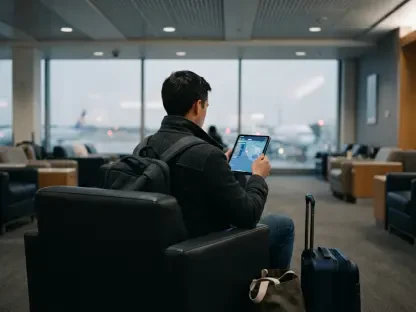
Furthermore, the role of technology has been redefined within this framework; rather than serving as a tool for constant navigation and social media updates during a vacation, digital platforms are now being utilized as powerful pre-trip assistants. Travelers are using AI-driven tools to curate highly personalized lists of interests and to handle the logistical aspects of travel, such as visas and reservations. This enables them to “unplug” with confidence, knowing that the foundation of their trip is secure. Experts suggest that the most successful travel brands in 2027 are those that facilitate this “invisible” planning, offering seamless booking experiences that do not require further intervention once the journey begins. This shift represents a move away from the “always-on” culture of the mid-2020s, as people recognize that the quality of an experience is often inversely proportional to the amount of time spent looking at a screen. The ultimate luxury in the contemporary travel market is the freedom to be unreachable and unscheduled, a state that is only possible through strategic, early-stage optimization.
Generational Nuances in Modern Exploration
While the desire for authentic and restorative travel is universal, there are distinct generational differences in how these goals are pursued. Gen Z and younger Millennials are the primary drivers of sensory and analog trends, showing a marked preference for scent-based workshops and local gaming. For these cohorts, who have grown up with a saturation of digital content, tactile and olfactory experiences offer a level of reality that cannot be replicated online. They are more likely to spend their travel budgets on a single, high-impact experience—such as a professional perfume-making session—than on a series of cheaper, more generic tours. This “high-low” approach to travel, where luxury experiences are mixed with budget-friendly local exploration, allows them to prioritize what they find personally meaningful. Their focus is on creating a unique personal brand through experiences that are rare, difficult to find, or deeply artisanal, reflecting a broader cultural shift toward individuality and sensory richness.
In contrast, older Millennials and Gen X travelers are increasingly focused on the intersection of culinary heritage and historical preservation. For these age groups, travel is often an educational endeavor aimed at understanding the roots of traditional cultures. They are the most frequent participants in the “Fermentor” and “Pollinator” archetypes, finding value in the slow, methodical processes of food production and environmental stewardship. Their travel decisions are frequently influenced by a desire to support local economies and ensure that traditional crafts are passed down to future generations. This demographic is also more likely to engage in “Detourist” activities that involve deep historical context, such as heritage walking tours or visits to specialized museums. Despite these differences in focus, all generations are moving toward a more intentional form of exploration that rejects the “check-the-box” mentality of the past. The industry must therefore cater to a fragmented market where the definition of a “must-see” is highly subjective and rooted in personal values rather than mainstream popularity.
Frequently Asked Questions About 2027 Travel
1. What is the specific meaning and underlying significance of the term anti-optimization as it relates to the broader context of travel and tourism?
Anti-optimization is a strategic travel philosophy that advocates for extensive logistical preparation before a journey to enable a completely unplanned and spontaneous experience upon arrival. In the context of 2027, this means that travelers utilize digital tools and professional services to secure all necessary bookings, transportation details, and base itineraries weeks or months in advance. The primary goal of this method is to eliminate the need for real-time problem-solving and digital navigation during the actual vacation. By removing the burden of constant decision-making, travelers can disconnect from their smartphones and focus entirely on their surroundings and social interactions. This approach addresses the growing problem of “travel fatigue,” where the stress of managing an itinerary in an unfamiliar place detracts from the restorative benefits of the trip. Essentially, anti-optimization is about front-loading the “work” of travel so that the time spent at the destination is purely dedicated to relaxation and presence, allowing for the kind of serendipitous discoveries that a rigid, optimized schedule would typically prevent.
2. How are modern travelers currently utilizing various unique scents and fragrances to help them more vividly remember their past trips and diverse travel experiences?
Travelers are increasingly using “scent-scapes” to create permanent, biologically-linked memories of their international experiences. In 2027, the practice of visiting perfume laboratories or attending fragrance workshops has become a mainstream travel activity because scent is processed in the brain’s limbic system, which is also responsible for emotion and memory. By participating in the creation of a custom-blended perfume that uses local ingredients—such as cedar from the Japanese mountains or citrus from the Amalfi Coast—travelers create a powerful sensory anchor. When they return home and smell that specific fragrance, it can instantly trigger a “Proustian moment,” bringing back vivid memories and emotions associated with their vacation more effectively than a photo or a video. This trend has led to the rise of the Scentualist archetype, where the focus of the trip is to “inhale” the destination. Travelers are not just buying perfumes; they are learning about the chemistry of scents and the history of fragrance in different cultures, making it a sophisticated educational and emotional investment that serves as a living, breathing souvenir.
3. Understanding the primary reasons why analog gaming is rapidly becoming a significant and popular trend among modern travelers worldwide today
Analog gaming has emerged as a significant trend because it provides a universal, low-stakes framework for meaningful social interaction between travelers and locals. In an era where digital interactions can feel fleeting or superficial, playing physical games like cards, board games, or traditional sports offers a way to build genuine rapport without the need for a shared language. For the Player archetype, these activities serve as a bridge into the heart of a local culture, allowing them to experience Gemütlichkeit—a German term for a state of warmth, friendliness, and belonging. Mastering the rules of a local game like Schafkopf in Munich or Go in Osaka requires focused attention and shared laughter, creating a unique bond between participants. This trend also reflects a desire for digital detox experiences, where travelers put away their devices to engage in tactile, physical play. These games often take place in community hubs like pubs, parks, and town squares, placing the traveler at the center of local social life and providing a more authentic sense of place than a standard guided tour.
Navigating the Path Toward Intentional Exploration
The 2027 Hidden Trends report successfully captured a pivotal moment in the evolution of global tourism, documenting a move away from the high-pressure efficiency of previous years toward a more sensory and restorative model. The findings demonstrated that modern travelers were no longer satisfied with being passive observers; instead, they sought to be active participants in the preservation of culture, the understanding of nature, and the creation of deep, personal memories. The study highlighted how the archetypes of the Scentualist, Fermentor, and Player were not just fleeting interests but represented a fundamental shift in how humans value their time away from home. By choosing “anti-optimization,” individuals regained control over their mental space, proving that the most advanced way to use technology in travel was to facilitate a complete disconnection. The report showed that the industry responded by providing more niche, high-quality experiences that prioritized authenticity and emotional resonance over the mass-market convenience that had previously dominated the sector.
Moving forward, the travel industry must continue to adapt to this demand for intentionality by fostering environments where spontaneity can flourish. This means moving away from cookie-cutter tour packages and toward modular, flexible options that allow travelers to build their own unique journeys. Businesses should focus on creating opportunities for deep sensory engagement and cultural stewardship, as these are the elements that modern explorers value most. For the individual traveler, the next step is to embrace the courage to leave the smartwatch behind and trust in the preparation they have done. By leaning into “unexpected moments” and prioritizing the quality of a few meaningful experiences, they can ensure that their travels are truly restorative. As the world becomes more digital and optimized, the act of getting lost—safely and intentionally—will remain the most precious luxury available to those who seek to truly see the world. The future of exploration lies in the balance between the precision of the plan and the freedom of the moment.