
The intersection of celebrity and history provides a major draw for international tourists seeking the final resting places of figures like Jim Morrison and Oscar Wilde. This burgeoning interest in necropolises represents a sophisticated evolution in European travel habits, where the quietude of a cemetery offers a profound contrast to the bustling streets of major capitals. Analysts have observed that these historical sites function as condensed versions of a city’s narrative, offering a chronological walk through its artistic and social developments. Instead of standing in long queues for traditional museums, modern visitors are finding that a stroll through a garden cemetery provides a similar level of cultural enrichment with significantly less congestion. This movement is supported by data indicating that travelers are prioritizing heritage and atmospheric depth over conventional entertainment. The emergence of specialized rankings has further validated this trend, highlighting the diverse ways that burial grounds contribute to the broader ecosystem of international tourism in the mid-2020s.
Architectural Grandeur and the Preservation of Heritage
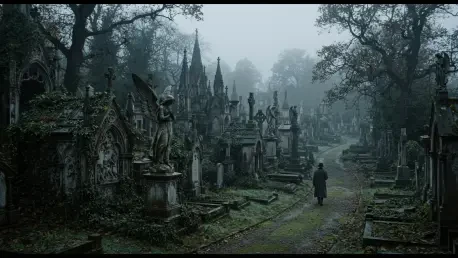
The aesthetic appeal of European cemeteries is often rooted in their dual identity as both gardens and galleries. Visitors are frequently drawn to the intricate stonework and elaborate sculptures that characterize nineteenth-century burial traditions, where funerary art reached its zenith. From the imposing Baroque tombs found in Central Europe to the elegant Art Nouveau monuments of the Mediterranean, these sites showcase an incredible variety of design languages that are rarely seen in such proximity elsewhere. This architectural diversity is a primary driver for the recent surge in graveyard tourism, as these spaces preserve specific historical aesthetics that modern urban development has often replaced. Furthermore, the deliberate landscaping of Victorian-era cemeteries was originally intended to serve as public parks, a function that is being rediscovered by contemporary travelers. These individuals appreciate the intentional harmony between nature and stone, finding beauty in the way that aging monuments interact with established greenery over decades.
The cultural weight of these locations is often magnified by their inclusion in national heritage registers, ensuring that their structural integrity is maintained for future generations. For instance, the Grade I listed status of Highgate Cemetery in London protects its iconic Egyptian Avenue and Lebanon Circle, making it a premier destination for those interested in Gothic architecture. While some of these sites require an entry fee to support ongoing conservation efforts, many remain free to the public, providing an accessible way to engage with high art and history. The popularity of such locations is not merely about the individuals buried there, but about the immersive experience of walking through a physical timeline of a nation’s history. These cemeteries provide a unified narrative that bridges the gap between different artistic eras, allowing visitors to see how societal views on life and legacy have shifted. By treating these grounds as educational resources, tourism boards are able to diversify their cultural offerings while honoring the solemnity of the environment.
The Rise of Authentic and Mindful Travel Experiences
A significant factor contributing to the trend of graveyard tourism is the desire for authentic, crowd-free experiences that deviate from the standard tourist trail. While major sites like Père Lachaise attract millions, savvy travelers are increasingly seeking out hidden gems that offer equal historical depth without the overwhelming foot traffic. Locations such as Oslo’s Vår Frelsers Gravlund or Edinburgh’s Dean Cemetery have seen a rise in visits from those who value tranquility and local heritage. These sites are often the resting places of national icons—such as the painter Edvard Munch or the architect William Playfair—yet they remain relatively under-the-radar in mainstream travel guides. This preference for quieter locations reflects a broader shift toward slow travel, where the quality of engagement with a site is prioritized over the quantity of landmarks visited in a single day. These lesser-known burial grounds provide a sense of discovery and personal connection to the past that is often lost in more commercialized historical venues across Europe.
The categorization of these sites through frameworks like the Tombstone Tourism Index has made it easier for visitors to identify destinations that align with their interests in history and solitude. Accessibility plays a crucial role in this trend, as most significant European cemeteries are easily reached via public transit, making them convenient additions to any urban itinerary. This ease of access, combined with the lack of financial barriers at many sites, makes graveyard tourism an attractive option for budget-conscious travelers who do not want to compromise on the quality of their cultural experiences. Moreover, the serene environment of a cemetery offers a unique psychological benefit, providing a space for reflection that is increasingly rare in modern life. As travelers become more discerning about how they spend their time, the appeal of a location that offers both intellectual stimulation and emotional peace becomes undeniable. This shift suggests that the future of urban tourism lies in the promotion of spaces that encourage a slower, more mindful approach.
Strategic Integration of Historical Cemeteries into Urban Planning
The successful integration of historical cemeteries into the broader tourism landscape demonstrated the viability of using existing heritage sites to manage urban visitor flow. City planners and tourism authorities recognized that these spaces could alleviate pressure on traditional landmarks while providing a meaningful cultural experience. They invested in better signage, digital guides, and sustainable maintenance programs to ensure that the increased foot traffic did not compromise the dignity of the sites. This proactive approach allowed cemeteries to transition from overlooked corners of the city to vital components of the local heritage economy. Moving forward, developers and cultural organizations should continue to prioritize the preservation of these open-air museums as essential green spaces that serve both locals and tourists. By fostering a respectful and educational atmosphere, these sites provided a template for how modern cities balanced the needs of the living with the honoring of the past. The continued study of visitor patterns within these grounds offered valuable insights into how public spaces could be adapted to meet the evolving demands of a more culturally curious global population.