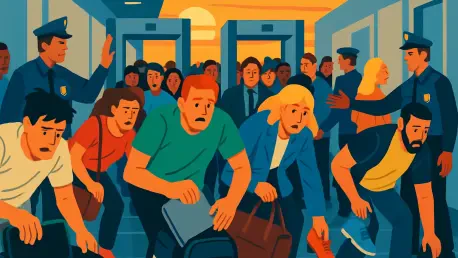

Imagine stepping into an airport, already dreading the long lines and cramped seats, only to be greeted by a glossy campaign poster urging you to dress up and act like you’re living in the golden age of travel. This is the reality for many travelers today as the U.S. Department of Transportation (DOT) rolls out its latest initiative, “The Golden Age of Travel Starts With You.” Led by Transportation Secretary Sean P. Duffy, the campaign calls on passengers to embrace decorum, dress neatly, and keep their cool—even when traveling with restless kids. It’s a nostalgic nod to a time when flying was a luxurious affair. Yet, as tempers flare in terminals and onboard, many argue this approach skims over the surface of a much deeper problem. Systemic issues in the airline industry, from shrinking seats to hidden fees, are fueling traveler frustration. Critics contend that the DOT’s focus on personal behavior sidesteps these root causes, leaving passengers feeling blamed for chaos they didn’t create. The disconnect between this campaign and today’s travel realities raises a pressing question: why isn’t the real source of airport disruptions being addressed?
Unpacking the DOT’s Nostalgic Approach
Air travel wasn’t always the stressful slog it often is now. Decades ago, in the mid-20th century, flying was an elite experience—think wide seats, gourmet meals served on fine china, and passengers dressed to impress. It was an event, a privilege reserved for the few who could afford it. The DOT’s current campaign leans heavily on this romanticized past, urging travelers to revive that sense of occasion through better manners and attire. However, this vision feels almost quaint when matched against the modern airport scene, where overbooked flights and long security lines are the norm. The initiative seems to assume that if passengers just behave with old-school civility, disruptions will fade. But this overlooks a fundamental shift: air travel has morphed from a luxury into a necessity, often endured rather than enjoyed. Ignoring this evolution, the campaign risks appearing detached from the average traveler’s lived experience, setting up a shaky foundation for any meaningful change.
Moreover, the DOT’s messaging places the burden of calm squarely on passengers’ shoulders, as if individual actions alone can solve widespread unrest. While personal responsibility matters, this narrow focus dismisses the broader context of why tempers are running so high. Travelers aren’t just randomly lashing out; many feel pushed to the edge by an environment that’s become increasingly hostile to comfort. From the moment they book a ticket, hidden costs and rigid policies set a tense tone. By emphasizing surface-level fixes like dressing nicely, the DOT sidesteps the harder conversation about industry practices that contribute to this strain. This nostalgic framing, while well-intentioned, feels like a misstep when deeper frustrations simmer beneath every delayed flight or overcrowded gate. Without tackling those underlying tensions, the campaign’s call for a return to grace seems more like a distraction than a solution to the chaos unfolding in airports every day.
The Alarming Rise of Disruptive Behavior
Turning to the scale of the issue, it’s impossible to ignore the stark numbers reflecting unrest in the skies. DOT and Federal Aviation Administration (FAA) data reveal a staggering 400% spike in in-flight conflicts since several years ago, with over 13,800 incidents logged since the trend began escalating. These aren’t mere disagreements; some escalate into outright violence, with reports of passengers attacking fellow travelers or airline staff over seemingly minor triggers. Such events disrupt more than just a single flight—they erode the sense of safety and predictability that travelers rely on. The ripple effect is felt across the industry, as each headline about a brawl or meltdown fuels public unease about stepping onto a plane. Clearly, this is a crisis demanding attention, yet the DOT’s response seems to zero in on how passengers carry themselves rather than why these flare-ups are happening with such alarming frequency.
Beyond the raw statistics, the impact of these disruptions paints a troubling picture of air travel’s current state. Each incident—whether a shouting match at the gate or a physical altercation mid-flight—creates a domino effect of delays, diversions, and heightened security measures. Passengers caught in the crossfire often feel helpless, their journeys derailed by someone else’s breaking point. Airlines, too, face mounting costs and logistical headaches, while staff on the front lines bear the brunt of verbal and sometimes physical abuse. The DOT’s push for better behavior isn’t wrong in principle; no one disputes the need for civility. However, framing the solution as a matter of personal etiquette misses the larger forces at play. If the environment itself breeds hostility, expecting travelers to simply smile through it feels like a half-measure. Digging into what’s sparking these incidents reveals a messier, more systemic story that demands a broader fix.
Systemic Failures Driving Passenger Frustration
Peeling back the layers of traveler discontent, it becomes evident that much of the anger stems from how airlines operate in today’s profit-driven landscape. Complaints flood online forums about seats so cramped they feel like a vise, gates packed to the brim, and schedules that shift without warning. Then there’s the relentless barrage of fees—want a checked bag, a seat with a sliver more legroom, or even a bottle of water? That’ll cost extra. These nickel-and-dime tactics, paired with understaffed counters and spotty communication, create a pressure cooker before passengers even board. Many feel the industry treats them less like valued customers and more like revenue streams to be squeezed. When every step of the journey feels designed to frustrate, it’s no shock that some snap under the weight. The DOT’s silence on these grievances in its campaign only deepens the sense that travelers’ real struggles are being brushed aside.
In contrast to the DOT’s focus on passenger decorum, the systemic issues point to a need for accountability from airlines themselves. It’s not just about tight seats or sneaky fees; it’s the cumulative effect of feeling undervalued at every turn. Long wait times for customer service, inconsistent policies across carriers, and a lack of transparency about delays all pile on to the stress. Travelers often arrive at the airport already fuming from a booking process riddled with fine print, only to face more hurdles on-site. This isn’t an environment that inspires calm or respect—it’s one that tests patience to its limit. While the DOT urges composure, many argue that airlines must first address these structural flaws. Without a commitment to better service and fairer practices, expecting passengers to channel the grace of a bygone era feels like a hollow request. True progress likely hinges on tackling these foundational problems head-on, rather than polishing the surface.
Bridging the Gap Between Policy and Reality
The DOT’s vision of reviving a “golden age” of travel clashes sharply with the gritty reality most passengers face. Flying today isn’t a glamorous escape; for most, it’s a grind marked by long lines, tight quarters, and the constant threat of delays. Critics point out that the campaign’s emphasis on nostalgia dodges the hard truths of overcrowding, profit-over-comfort policies, and declining service standards. Instead of pushing for reforms that could ease these pressures—like stricter rules on fare transparency or minimum seat space—the initiative leans on travelers to adapt to a broken system. This mismatch between policy and lived experience alienates many who feel they’re being asked to pretend everything’s fine when it clearly isn’t. Hints of future measures, such as potential bans on certain onboard snacks, only stoke fears that more restrictions, not solutions, are on the horizon, further straining the already tense dynamic.
Public sentiment, especially in online discussions, underscores this growing rift with a near-unanimous frustration toward the DOT’s approach. Travelers express feeling scolded for reacting to conditions beyond their control, as if dressing nicer or staying quiet could magically erase the stress of a canceled flight or a packed terminal. The tension between passengers, airlines, and federal oversight is palpable, with many seeing the campaign as tone-deaf to their daily struggles. While a minority of voices call for shared accountability—urging both travelers to manage their reactions and airlines to improve—the louder chorus demands systemic change. Until root issues like service declines and exploitative pricing are addressed, initiatives centered on personal behavior risk being dismissed as out of touch. This disconnect highlights a broader failure to align government messaging with the realities on the ground, leaving the path to calmer airports uncertain.
Paving a Path Forward for Air Travel Harmony
Reflecting on the escalating disruptions, it’s clear that a lasting solution must go beyond asking passengers to mind their manners. The sharp uptick in incidents, backed by FAA data, pointed to a crisis that had been brewing for years, driven by an environment that often felt hostile to travelers. The DOT’s campaign, while rooted in an appealing nostalgia, fell short by ignoring the systemic failures—cramped conditions, relentless fees, and poor communication—that had long frustrated the public. Violent clashes and heated arguments in terminals weren’t just random; they were symptoms of a deeper mismatch between what travelers needed and what the industry provided. Looking back, the urgency of those challenges demanded a response that balanced behavioral expectations with meaningful reform, rather than leaning on one at the expense of the other.
Moving ahead, the focus should shift toward collaborative steps that address both sides of the equation. Airlines could take the lead by reevaluating policies that alienate customers, such as introducing clearer pricing structures or investing in staff training to handle high-stress scenarios with empathy. Meanwhile, federal authorities might consider regulations that prioritize passenger well-being over unchecked profit motives—think mandated minimum seat sizes or penalties for chronic overbooking. For travelers, educational efforts around managing stress in tough situations could complement these changes, fostering a culture of mutual respect. Bridging the gap between policy and reality means listening to the voices of those on the ground, ensuring that future initiatives tackle the true sources of friction. Only through such a holistic approach can the chaos of airports transform into something closer to the harmony the DOT envisions, making air travel a smoother journey for everyone involved.