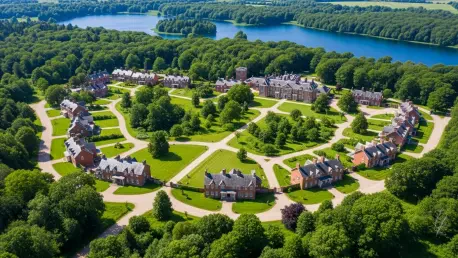

Deep within the verdant landscape of Suffolk’s Yox Valley, the traditional boundaries of luxury hospitality are being rewritten through a massive 6,000-acre restoration project that prioritizes both ecological integrity and refined service. Wilderness Reserve has moved beyond the simple concept of a rural getaway, evolving into a sophisticated tapestry of heritage estates that demand a specialized caliber of oversight. This expansion reflects a shift in the industry, where the scale of private residential offerings must be matched by an executive team capable of managing complex, multi-site operations without losing the personal touch of a boutique stay.
A New Era of Leadership in the Yox Valley
The sheer magnitude of the 6,000-acre Wilderness Reserve expansion has fundamentally altered the luxury landscape in Suffolk, turning a collection of historic farms into a unified, high-end destination. It is no longer enough to offer a comfortable bed in a renovated barn; the modern traveler expects a seamless integration of adventure, privacy, and world-class amenities. This evolution necessitates a leadership structure that moves beyond traditional hotel management, focusing instead on the curation of expansive private estates that function as autonomous, high-service residences.
Chief Operating Officer Francisco Macedo has been the primary architect of this new organizational philosophy, assembling an executive team designed to handle the nuances of large-scale hospitality. By recruiting industry veterans with backgrounds in ultra-luxury portfolios, the estate ensures that its growth is managed with precision. This strategic alignment of human capital is the engine driving the next generation of private estates, where the goal is to provide the infrastructure of a grand hotel within the seclusion of a personal sanctuary.
The Rising Demand for Curated Luxury Retreats
As high-end travel trends shift toward more secluded and exclusive environments, large-scale private estates have seen an unprecedented rise in demand. Guests are increasingly seeking “bubble” environments where they can gather in large groups without the interruptions found in shared resort spaces. This shift has made “human capital” the most critical investment for heritage properties, as the ability to anticipate guest needs across thousands of acres requires a more intuitive and specialized staff than a standard concierge model.
The primary challenge lies in maintaining a sense of intimacy and authenticity across 27 unique residential properties that vary wildly in character. From the “lost” cottages tucked away in the woods to the expansive spa houses designed for significant celebrations, each building must offer a consistent level of excellence. Maintaining this standard requires a deep understanding of the emotional connection guests form with historical architecture, ensuring that every touchpoint feels deliberate rather than manufactured.
Meet the Architects of the Strategic Expansion
Erika Steward has stepped into the role of Director of Hospitality Sales, bringing a wealth of experience from prestigious networks like Virtuoso and Relais & Châteaux. Her mission involves leveraging these global relationships to elevate the visibility of the estate’s diverse offerings, including the newly integrated Blyth Barn. By positioning the reserve within these elite travel circles, she ensures that the estate attracts a global audience seeking the specific blend of English heritage and modern luxury that Suffolk provides.
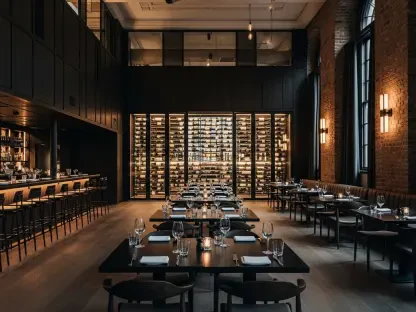
Complementing the sales strategy is Ricardo Morillo, the Corporate Beverage Director, who infuses the estate’s cellar with Michelin-starred rigor. Formerly of Cliveden House, Morillo applies commercial strategy to the beverage program, ensuring that every wedding, event, and private dinner is supported by a sophisticated and profitable liquid offering. Meanwhile, Executive Chef Matthaios Tsistrakis leads the culinary department, utilizing his Cretan-inspired philosophy to highlight local provenance. His “Fire Feasts” have become a signature of the estate, blending elemental cooking techniques with the highest quality seasonal ingredients.
Refining the Guest Experience Through Expert Insight
For COO Francisco Macedo, the goal of these new appointments was never to change the soul of the estate but rather to “sharpen” its brand identity. Every new leader was chosen for their ability to interpret the historical significance of the land through a lens of modern luxury. This specialization allows for a more nuanced guest experience, where the beverage program or the culinary journey feels deeply rooted in the specific geography of the Yox Valley, creating a lasting emotional connection between the visitor and the environment.
The integration of nature and architecture remains a cornerstone of the reserve’s identity, and the new leadership team ensures this balance is upheld during every interaction. Whether a guest is staying in a secluded cottage or a sprawling manor, the level of service remains uniform, thanks to a framework that prioritizes expert insight over generic hospitality protocols. This approach allows the estate to scale its operations while maintaining the rugged, authentic charm that defines the Suffolk countryside.
Paving the Way for the Growth Phase
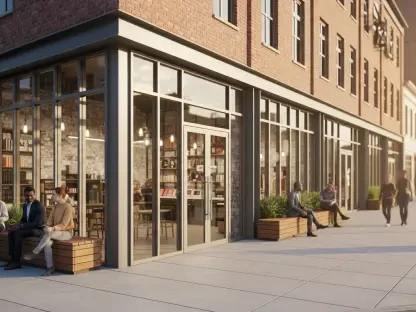
The full restoration of Cockfield Hall has successfully brought a historical centerpiece back to life, serving as a beacon of the estate’s commitment to heritage preservation. This development was matched by the expansion of the wellness footprint through the Otter Lodge lakeside spa retreat, which provides a dedicated space for rejuvenation amidst the natural beauty of the valley. Furthermore, the renovation of The Griffin in Yoxford has bridged the gap between the private estate and the local community, fostering a sense of shared prosperity and integration.
These initiatives established a robust framework for scalable excellence within the private retreat market, proving that luxury and conservation can coexist. The leadership team successfully transitioned the estate into a period of sustainable operation, where the focus shifted toward long-term environmental stewardship and the refinement of bespoke guest journeys. Moving forward, the estate served as a model for how heritage properties could be reimagined for a new generation of discerning travelers, ensuring that the legacy of the Yox Valley remained vibrant and relevant.