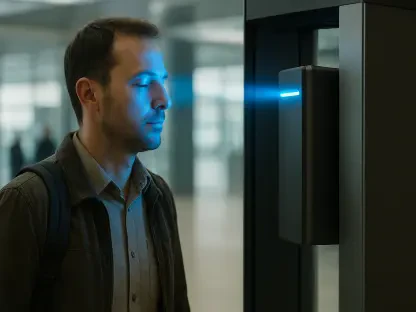

Transitioning a historical Victorian structure into a digital-first marvel requires more than just fiber optic cables; it demands a fundamental rethinking of how human interaction and architecture intersect. Olympia Events is currently undergoing a radical evolution that bridges its 130-year legacy with the sophisticated requirements of a modern digital economy. The appointment of Richard Harris as Technology Director serves as a definitive signal that the venue is moving beyond its physical shell toward a future defined by data-driven intelligence and high-performance connectivity.
This leadership move marks a pivot from traditional venue management to a tech-first approach. By focusing on digital excellence, the organization is preparing to meet the increasingly complex demands of global event organizers who require more than just a roof over their heads.
The Strategic Shift Toward a Technology-Led Future
The modern events landscape dictates that success is no longer defined solely by square footage, but by the quality of the digital pulse running through its infrastructure. Olympia Events has recognized that a robust digital foundation is the only way to support the world-class exhibitions and conferences that define its calendar. This shift involves moving away from isolated systems toward an integrated ecosystem that utilizes data to enhance every aspect of the event lifecycle.
By prioritizing a data-driven structure, the venue aims to eliminate industry friction points such as fragmented visitor analytics and cumbersome operational workflows. This approach allows for a deeper understanding of attendee behavior, which provides invaluable insights for exhibitors looking to maximize their return on investment.
Richard Harris: A Visionary Leader with a High-Stakes Pedigree
Richard Harris brings a high-stakes pedigree to this transformation, possessing over two decades of experience navigating the intense demands of global sports and entertainment. His career includes pivotal leadership roles at prestigious organizations such as Wembley Stadium and the Rugby Football Union. In these environments, the margin for technical error is non-existent, and the pressure to deliver flawless digital experiences to thousands of people is a constant reality.
His previous contributions to the technological operations of the London 2012 Olympic Games and the 2015 Rugby World Cup provide a foundation of expertise in cybersecurity and complex infrastructure. Harris is uniquely equipped to manage digital intricacies while ensuring operational reliability remains a top priority during the current estate redevelopment.
Translating Business Objectives into Digital Solutions
The appointment is grounded in a philosophy that technology should serve as a primary enabler of business growth rather than just a back-end utility. According to COO Alex Lewis, the ability to translate high-level business goals into practical, outcome-focused technical strategies is what sets Harris apart. This skill set allows the organization to bridge the gap between abstract corporate vision and technical implementation.
By placing customer-led thinking at the heart of technological investment, the venue plans to foster better collaboration between event organizers and their exhibitors. This involves creating digital tools that make logistical hurdles easier to clear, resulting in a more intuitive experience for every visitor who walks through the doors.
Scaling Growth Through Innovation and Connectivity
To maintain a competitive edge on the global stage, the leadership focused on creating a framework of scalable digital solutions that could evolve alongside industry trends. This strategy involved a complete modernization of core IT infrastructure and an enhancement of connectivity throughout the estate. As the redevelopment of the Olympia site continued, the integration of cutting-edge systems ensured the prestige of the landmark remained tethered to the requirements of international commerce.
Ultimately, the focus shifted toward empowering stakeholders through improved data transparency and real-time operational feedback loops. By strengthening these digital capabilities, Harris oversaw a transformation that prioritized efficiency and long-term sustainability. This evolution successfully blended historical grandeur with a sophisticated digital nervous system, securing the venue’s status as a leading choice for the next generation of global events.