
Jack Burke developed the Bodda Biscuit concept during the pandemic and has now transformed his personal recipes into a mobile food operation at the Rane Culinary Science Center. This transition represents a significant milestone for the Horst Schulze School of Hospitality Management, which continues to redefine how academic programs interact with the professional culinary world. The current semester sees the Hey Day Market bustling with a new level of energy, as the student-led initiatives provide a tangible look at the future of the food and beverage industry. These initiatives are not merely academic exercises; they are fully functional businesses that must navigate the complexities of supply chains, customer service, and food safety in real-time. By integrating these concepts into the daily life of the university, the program creates a bridge between theoretical knowledge and the high-stakes environment of a commercial kitchen. It is an environment where students must prove their mettle every single day to a demanding public.
The Evolution: From Conceptual Ideas to Market Reality
The success of the current 2026-2027 cohort is built upon the foundation laid during the program’s inaugural year, showcasing a trajectory of growth and refinement. Early ventures like Sophie Sweets, which utilized a unique refrigerated locker system for cake delivery, and Pasta Bari, a customizable fresh pasta concept, proved that student-run businesses could thrive in a competitive market. These initial successes demonstrated the viability of the Incubator model and paved the way for more ambitious projects that are currently taking center stage. By rotating these businesses annually, the Horst Schulze School maintains a dynamic environment that offers fresh dining options to the public while ensuring the curriculum remains relevant to changing trends. Dr. Martin O’Neill, head of the program, emphasizes that the true value lies in forcing students to confront the multifaceted trials of business ownership. From initial concept development to managing equipment failures, the program is a rigorous test.
Navigating the complexities of a professional kitchen requires more than just culinary skill; it demands a deep understanding of operational logistics and consumer psychology. The Incubator program provides a safe yet rigorous space for students to learn from both their successes and their setbacks, which is a critical component of their professional development. By allowing students to manage every aspect of their operations, the university ensures that they graduate with a comprehensive skill set that includes financial literacy and personnel management. This hands-on approach is what sets the Auburn program apart, as it prepares students for the unpredictable nature of the global hospitality industry. The students are tasked with maintaining the high standards expected at the Rane Center while also innovating to stay ahead of the competition. This duality of responsibility ensures that each participant is fully prepared for the challenges of the modern workforce upon graduation from the program.
Bird and Batter: Elevated Southern Comfort with Global Influences
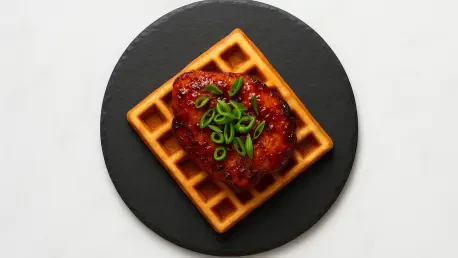
Bird and Batter serves as a primary resident of the Incubator space, created by seniors Cayden Peacock and Sophie Salinger to challenge traditional expectations. Their venture focuses on the classic combination of fried chicken and waffles but introduces an elevated, global twist that reflects the changing palate of the modern consumer. Salinger, drawing from her experiences in the diverse food scenes of the Northeast and New York City, recognized a gap in the local market for a concept that balances sweet and savory flavors with sophisticated culinary techniques. This recognition led to a menu that is both nostalgic and adventurous, catering to traditionalists and experimental eaters alike. By merging Southern roots with international flair, the duo has created a brand that resonates with a wide demographic. This approach demonstrates how students can leverage their personal backgrounds to create unique market positions that distinguish their businesses from established competitors in the local area.
The menu at Bird and Batter is designed to be highly responsive to customer feedback, utilizing a rotating item known as the “New Chick on the Block.” While the “Classic Chick” offers a standard Southern experience with hot honey, the “Seoul Chick” introduces Korean barbecue flavors and gochujang drizzle to the Auburn community. This flexibility allows the student operators to practice the agility required in the modern fast-casual industry, where consumer preferences can shift rapidly. Managing such a diverse menu requires careful coordination with suppliers and a keen eye for food cost management, providing the students with invaluable experience in the operational side of the culinary arts. The success of these items is tracked through real-time sales data, allowing Peacock and Salinger to make informed decisions about future menu development. This data-driven approach ensures that the business remains profitable while continuing to offer the innovative flavor profiles that have become its hallmark in the market.
Bodda Biscuit: Logistics and the Mobile Dining Experience
Complementing the stationary operations of the market is Bodda Biscuit, a mobile cart concept led by culinary science senior Jack Burke that targets high-traffic areas. This venture expands the program’s reach by serving the Tony and Libba Rane Culinary Science Center and the broader campus, moving beyond the traditional storefront model. Operating on a grab-and-go model, Bodda Biscuit is strategically positioned to capture the morning rush and the intense foot traffic of Auburn’s famous football game days. This mobility introduces a different set of challenges compared to a fixed location, including logistical planning and mobile equipment maintenance. Burke must ensure that the quality of the product remains consistent while being served from a cart in various weather conditions. The ability to adapt to different environments is a crucial skill for any hospitality professional, and this concept provides a perfect platform for mastering that adaptability. It represents a shift toward more flexible dining.
The collaborative spirit of the Incubator program is best exemplified by the “Bodda Bird,” a menu item that utilizes chicken sourced from the Bird and Batter kitchen. This internal supply chain not only fosters a sense of community among the students but also highlights the importance of strategic partnerships in the business world. With specialty items like house-smoked brisket biscuits with jalapeño pimento cheese, Burke focuses on high-volume logistics and the unique demands of Southern tailgating culture. This focus requires a deep understanding of preparation timing and inventory control to ensure that the cart can meet the high demand of game-day crowds. By participating in this mobile venture, students learn how to manage a brand that is constantly on the move, requiring a proactive approach to marketing and customer engagement. The success of Bodda Biscuit demonstrates that a well-executed concept can thrive even without a traditional brick-and-mortar presence, provided the operator understands their target market’s needs.
Bridging the Gap: The Business of Student Entrepreneurship
The 2026-2027 Incubator cohort represents the pinnacle of experiential learning, where students act as the primary architects of their own enterprises within the school. This involves a comprehensive range of responsibilities, including financial management, purchasing, and marketing, which are all vital to the success of any hospitality business. Rather than simply working a shift, these students are responsible for the fiscal viability and brand identity of their businesses, ensuring they understand the high stakes of professional hospitality. This ownership model encourages a deeper level of engagement with the curriculum, as students see the direct impact of their decisions on the bottom line. They must manage labor costs, negotiate with vendors for the best ingredient prices, and develop marketing strategies that drive traffic to their locations. These tasks require a high degree of organizational skill and a commitment to excellence that goes beyond what is typically expected in a traditional classroom setting at the university level.
Ultimately, the most significant advantage of the Incubator is the opportunity for students to make mistakes in a supported environment before entering the industry. These “learning moments” are essential for building the resilience needed for the global hospitality market, where challenges are a daily occurrence for operators. Whether it is dealing with a sudden surge in customers or managing a breakdown in the supply chain, students must remain calm and find effective solutions. These experiences teach them that failure is not a setback but rather a stepping stone to future success and a better understanding of the business. As these student-led concepts serve the Auburn community, they provide a glimpse into the future of the industry where innovation and grit are the primary ingredients for success. The program fosters a culture of continuous improvement, where students are encouraged to critique their own performance and seek out ways to enhance the customer experience. This mindset is what prepares them to become leaders in the field.
Strategic Growth: The Long-Term Vision for Culinary Education
The impact of the Incubator program extends far beyond the campus, as it prepares a new generation of leaders to enter the hospitality workforce with confidence. By providing a platform for student-led innovation, the Horst Schulze School is addressing the industry’s need for professionals who are both creative and business-savvy. This dual focus ensures that graduates are not only capable of creating exceptional culinary experiences but also of managing the complex operations that support them. The program’s emphasis on real-world application means that students are ready to hit the ground running, often securing leadership roles shortly after finishing their studies. Furthermore, the visibility of these student concepts in the Hey Day Market serves as a powerful recruiting tool for the university, showcasing the tangible results of its hospitality curriculum. The success of the current cohort reinforces the idea that experiential learning is the most effective way to prepare students for the demands of a rapidly changing and competitive global marketplace.
The program established a new benchmark for how universities integrated commercial ventures with academic requirements. Faculty members observed that the immersive nature of the Incubator allowed for a more nuanced evaluation of student performance compared to traditional exams. Looking ahead, the institution focused on expanding the mobile cart concept to include additional campus locations, ensuring that the footprint of student innovation grew alongside the university’s population. By prioritizing real-world problem-solving, the curriculum transformed the student experience into a professional residency. This model offered a solution to the talent gap in the hospitality sector by producing graduates who were already seasoned operators. The focus shifted toward sustainable sourcing and advanced inventory management systems to further refine the business models. Ultimately, these efforts ensured that the spirit of entrepreneurship remained the core of the hospitality program’s identity.