
Katarina Railko brings a wealth of expertise to the hospitality sector, having sharpened her strategic vision within the high-stakes worlds of travel, tourism, and large-scale entertainment. As a key voice in the events and conference industry, she understands that modern dining is no longer just about the plate; it is about creating an immersive lifestyle experience. Her perspective is particularly vital as the Midwest undergoes a culinary transformation, shifting toward health-conscious, community-centric models that demand both operational precision and a deep connection to local culture. Today, she shares her insights into the strategic scaling and community-driven success of the healthy fast-casual movement.
Omaha has shown significant demand for health-forward dining since 2021. How do you evaluate the long-term potential of a specific Midwestern market, and what key metrics do you analyze before deciding to open a second location in the same city?
Evaluating a market like Omaha requires looking far beyond simple foot traffic to understand the sustained appetite for wellness in the region. Since we established our first footprint on Dodge Street in 2021, we have monitored guest frequency and the consistent feedback from residents who were traveling across town specifically for our menu. When a single location starts drawing significant interest from distant neighborhoods, it signals that the market is underserved and ready for a second hub. For this West Omaha expansion, the decision was driven by the overwhelming volume of requests for a west-side location, proving that our brand has transitioned from a novelty to a daily necessity for local residents. We look for that specific tipping point where the community begins to view our space as their primary destination for fueling their lifestyles.
Successful expansion often relies on partners who manage established brands like Jimmy John’s. What specific operational qualities do you look for in a local franchise group, and how does their existing regional footprint influence your scaling strategy?
We prioritize partners like Rontu Inc. because they possess a sophisticated understanding of regional logistics and a proven track record of maintaining high standards across multiple units. Their experience with established brands like Jimmy John’s means they already have the infrastructure to manage high-volume operations and a deep bench of local talent. This existing footprint allows us to scale much faster than we could on our own, as they already understand the nuances of the Nebraska supply chain and consumer behavior. By collaborating with experts who are already embedded in the community, we ensure that our mission to elevate healthy living is executed with local authenticity and operational excellence. It is this synergy between corporate vision and local expertise that allows us to expand into additional communities across the state with total confidence.
The menu balances grain bowls, wraps, and smoothies to fuel different lifestyles. How do you maintain consistent chef-crafted quality across dozens of locations, and what is your step-by-step process for ensuring whole-food ingredients remain accessible and fresh?
Maintaining the integrity of our chef-crafted menu across 50 locations—with dozens more in development—requires a rigorous commitment to our unique “wellness hub” model. We balance corporate-owned sites with dedicated franchise partners to ensure that every salad, grain bowl, and low-carb wrap meets our specific culinary standards. Our process starts with sourcing seasonally-minded, whole-food ingredients that provide the functional energy our guests need for their daily routines. We then implement standardized prep protocols that emphasize freshness, ensuring that whether a guest orders a functional smoothie in Minneapolis or Omaha, the quality is indistinguishable. This meticulous focus on ingredient transparency and preparation allows us to serve healthy, convenient food that never tastes like a compromise.
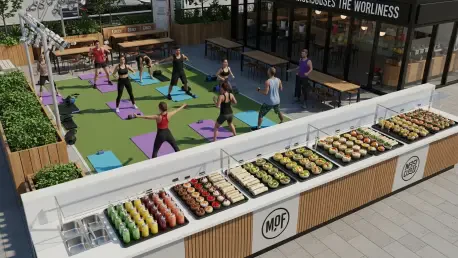
Creating a wellness hub involves hosting fitness classes and brand activations alongside food service. How do these community events impact customer loyalty, and what specific steps are taken to integrate local fitness instructors into a restaurant’s launch?
Building a wellness hub is about creating an emotional and physical connection with our guests that goes beyond the transaction of a meal. For the West Omaha opening, we integrated local fitness expert Ellie Hallett to lead a 45-minute sculpt class, which serves as a powerful bridge between our kitchen and the local fitness community. These activations transform our restaurant into a gathering place where people meet to move their bodies before refueling with our food samples. By hosting these free Wellness Series events, we cultivate a sense of belonging and loyalty that traditional advertising simply cannot replicate. It positions our brand as an active participant in the guest’s health journey rather than just another fast-casual option on the street.
Grand openings often feature free meal events tied to mobile app downloads and loyalty accounts. How does this digital onboarding strategy improve long-term guest engagement, and what logistical challenges arise when managing high-volume crowds during these promotions?
The Grand Opening Free Food event is a critical engine for long-term growth because it requires guests to download our app and scan their loyalty accounts, instantly bringing them into our digital ecosystem. During our three-hour window from 10:30 a.m. to 1:30 p.m., we experience an incredible surge in volume, which tests our speed of service and hospitality under pressure. The logistical challenge lies in maintaining a premium guest experience while serving hundreds of complimentary entrées, but the payoff is a massive database of engaged users we can communicate with directly. This immediate digital onboarding allows us to track preferences and reward our new Omaha guests from day one, ensuring they return long after the opening festivities have ended. It turns a one-time visitor into a permanent member of our community.
What is your forecast for the health-focused fast-casual industry?
I believe we are entering an era where the “wellness hub” model will become the standard for the industry, moving away from the isolated, transactional nature of traditional fast food. As we continue to scale across the United States, I forecast a significant shift toward restaurants acting as holistic community centers that offer both nutrition and lifestyle programming. We will see a greater emphasis on functional ingredients that serve specific dietary needs—like low-carb or high-protein—integrated with digital platforms that make healthy living seamless. Consumers are no longer satisfied with just “healthy” labels; they want transparency, chef-driven flavor, and a brand that supports their entire well-being. The brands that thrive will be those that, like us, successfully blend hospitality with a genuine commitment to the health of the communities they serve.