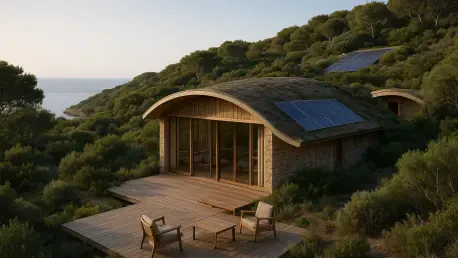

The transition toward regenerative travel in the Mediterranean signifies a shift where visitor presence is expected to contribute positively to local heritage preservation rather than just minimizing environmental footprints. As the 2026 travel season reaches its peak, national tourism boards have moved beyond traditional marketing to address the logistical and social pressures of over-tourism. This regional pivot involves diverting traveler flows away from hyper-saturated nodes like Santorini or Ibiza toward “second-line” islands that offer a more contemplative and quiet experience. By distributing economic benefits to these outlying regions, nations are fostering a resilient tourism ecosystem that values cultural integrity over sheer volume. The modern traveler now seeks the quiet luxury of authenticity, favoring destinations where the pace of life remains tethered to local traditions. This evolution is not merely a response to environmental strain but a proactive redesign of the Mediterranean holiday experience to ensure long-term viability for the next decade.
Strategic National Shifts in the Eastern and Central Mediterranean
Greece and the Mediterranean Slow Travel Movement
Greece has emerged as a frontrunner in this regional transformation by systematically rebranding its extensive archipelago as a sanctuary for the “slow travel” movement. Marketing campaigns for the 2026-2028 cycle intentionally de-emphasize the high-energy, high-cost environments of the southern Cyclades in favor of islands like Serifos, Syros, and Ithaca. These locations are presented as tranquil alternatives where the focus is on immersive cultural exchange and environmental stewardship rather than nightlife and luxury retail. By highlighting the unique architectural heritage of Syros or the mythological resonance of Ithaca, Greece is successfully attracting a demographic that prioritizes historical depth and solitude. This strategic shift is supported by local municipalities that have implemented strict zoning laws to prevent the rapid urbanization often associated with Mediterranean tourism hotspots. Consequently, these islands offer a rare glimpse into an older, more intentional way of Greek life that resonates deeply with global travelers.
The operational backbone of this shift is the “hub-and-spoke” travel model, which utilizes major gateways like Athens or Heraklion as arrival points before funneling visitors to more secluded destinations. For the 2026 season, expanded seasonal ferry networks and specialized regional flight paths have been established to connect these remote islands. This infrastructure allows for a more equitable distribution of wealth, as tourist spending is no longer concentrated in a few metropolitan centers but is dispersed among rural tavernas, family-owned guesthouses, and local artisans. Economic data suggests that this distributed model is revitalizing aging island populations by creating sustainable employment opportunities in heritage conservation and eco-tourism. By managing the flow of visitors through these logistical spokes, Greek authorities can monitor environmental impact in real-time, adjusting arrival capacities to ensure that the ecological footprint stays within manageable thresholds for these fragile island ecosystems.
Italy’s Integration of Adventure and Rugged Exploration
Italy has integrated “active tourism” into its national strategy to attract a demographic that is both high-spending and low-impact, focusing on rugged exploration over passive consumption. The emphasis has moved toward the Maddalena archipelago and the expansive “Path of 100 Towers,” a 1,200-kilometer trekking network that winds through the coastal landscape of Sardinia. This initiative encourages visitors to explore the coastline on foot or by bicycle, significantly reducing the carbon footprint associated with traditional vehicle-based tours. By marketing the natural beauty of the granite cliffs and hidden lagoons, Italy is tapping into a growing demand for adventure-based travel that respects the natural topography. These trekking routes are serviced by small-scale hospitality ventures that offer authentic Sardinian cuisine and lodging, ensuring that the economic gains from tourism reach the interior of the island. This approach also helps to preserve the ancient shepherd paths and watchtowers that define the region.
To further alleviate pressure on mainland hubs like Venice or the Amalfi Coast, Italian tourism boards are promoting islands such as Ponza and Procida as essential short-stay retreats for those seeking a more intimate experience. These destinations are being marketed as “islands of the mind,” where the absence of large-scale resort infrastructure is framed as a premium feature. By capping the number of daily arrivals and restricting private vehicle access, local authorities have maintained the serene atmosphere of these fishing villages even during peak months. This strategy effectively draws visitors away from the overcrowded mainland and encourages them to engage with the unique maritime traditions of the Tyrrhenian Sea. The success of this model relies on a sophisticated digital reservation system that manages visitor density while providing travelers with real-time information on local sustainability efforts. This integration of technology and tradition ensures that the charm of Italy’s hidden islands remains intact for travelers.
Conservation Efforts and Navigational Realities
Spain’s Commitment to Environmental Preservation
Spain is leveraging environmental conservation as a core component of its tourism appeal, particularly within the lesser-known Atlantic and Balearic refuges. In the Balearics, the focus has shifted entirely toward Menorca’s biosphere reserves, where strict development controls have preserved the island’s coastline from the high-density models found elsewhere in the region. Simultaneously, the Canary Islands are promoting the ancient laurel forests of La Gomera, positioning the island as a sanctuary for nature enthusiasts rather than a hub for traditional sun-and-sand holidays. These initiatives are designed to attract travelers who are willing to adhere to local environmental regulations in exchange for access to unspoiled natural landscapes. By prioritizing the protection of endemic species and sensitive habitats, Spanish authorities are creating a high-value tourism product that is intrinsically linked to ecological health. This commitment to conservation serves as a primary draw for a new generation of eco-conscious visitors.
Operational Challenges and Sustainable Infrastructure
The logistical transition to these hidden destinations was supported by substantial upgrades in regional connectivity, including the introduction of small-scale, hybrid-electric ferries and niche cruise models that avoided larger ports. While these infrastructure improvements made remote islands more accessible, they also required travelers to adjust their expectations regarding nightlife and immediate convenience. Visiting these off-grid locations necessitated longer planning cycles and a commitment to local waste management and marine protection guidelines that were strictly enforced by regional authorities. By the end of the season, it was evident that the Mediterranean had successfully pioneered a regenerative model where the quality of the visitor experience was directly tied to the health of the host environment. Moving forward, authorities implemented strategies to scale these distributed models while investing in carbon-neutral transport to ensure that the shift toward hidden islands remained a sustainable and viable long-term solution.