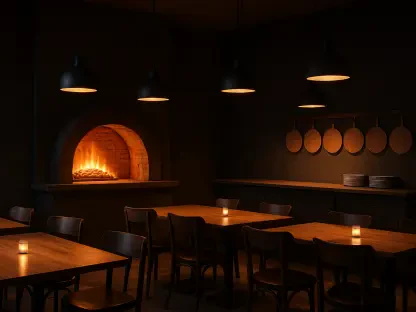

While guests often praise the 18th-century charm of Burythorpe House, official inspectors identified critical deficiencies during their latest visit on July 7. This boutique hotel, located near Malton, has long been associated with the prestige of its owner, Eric Clapton. However, the recent assessment by the Food Standards Agency has cast a shadow over its reputation. The transition from a high-end retreat to an establishment requiring major intervention highlights the difficulties of maintaining modern sanitation in historic buildings. For a venue that prides itself on exclusivity, a one-star hygiene rating is a stark reminder that culinary safety cannot be secondary to aesthetic appeal. The discrepancy between the manor’s public image and its operational reality has sparked debate among patrons who expect excellence from such high-profile celebrity-owned properties.
Assessment of Culinary and Facility Standards
Lapses in Food Handling and Preparation Protocols
The inspection report detailed significant lapses in hygienic food handling, which includes preparation, cooking, and storage. Officials found that current systems were inadequate to ensure the safety of meals. In a professional kitchen, a verdict of “major improvement necessary” indicates that basic protocols, such as temperature control and cross-contamination prevention, were not consistently followed. These findings are particularly concerning for a venue serving a sophisticated clientele. Proper storage of high-risk ingredients is a non-negotiable aspect of hospitality, yet evidence suggested a failure to adhere to these foundational principles. Rectifying these issues requires more than a standard deep clean; it demands a total overhaul of ingredient tracking. Ensuring that every item is safe from delivery to the plate is essential to prevent health risks.
Structural Challenges and Sanitary Maintenance
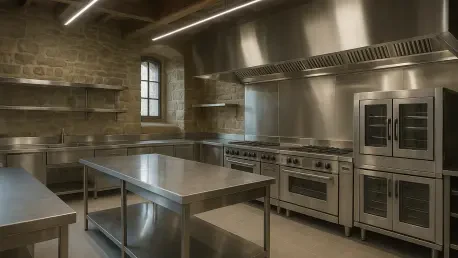
Beyond food handling, the physical condition and cleanliness of the facilities were heavily criticized. The layout of a professional kitchen must facilitate easy cleaning and prevent grime buildup, yet Burythorpe House struggled in these areas. Historic properties often present structural challenges, such as outdated ventilation and porous surfaces that are difficult to sanitize effectively. The report indicated that the hotel’s infrastructure did not meet modern expectations for a sanitary food production environment. Maintenance of hand-washing facilities and effective pest control measures are critical components that were found lacking during the assessment. For a boutique hotel, the charm of 18th-century architecture must be reconciled with the rigors of 2026 health codes. Ensuring back-of-house operations are pristine is vital for maintaining guest trust.
Operational Oversight and Recovery Strategies
Management Accountability and Safety Systems
A damaging aspect of the evaluation was the management of food safety, which checks if systems are in place to ensure food is safe to eat. Inspectors expressed a lack of confidence in the management’s ability to uphold standards, noting that staff training was insufficient. A one-star rating implies a failure to implement a robust food safety management plan, which is a legal requirement. Without clear oversight, even experienced culinary teams can fall into habits that compromise safety. Leadership must now demonstrate a commitment to transparency and rigorous record-keeping to regain the trust of health authorities. This failure reflects an operational disconnect where administrative safety protocols were neglected. Strengthening leadership presence in the kitchen is necessary to ensure every protocol is followed meticulously and documented without fail.
Strategic Improvements and Future Compliance
To address these shortcomings, the hotel management initiated a review of operational protocols and invested in staff retraining. The path forward involved a deep change in organizational culture, prioritizing safety over convenience. Management worked with health officers to correct every deficiency before requesting a re-rating. They upgraded kitchen equipment and modernized surfaces to meet current regulations, effectively bridging the gap between historical preservation and modern health standards. These actions demonstrated a proactive approach to restoring the hotel’s standing as a premier destination. By embracing transparency and internal audits, the establishment aimed to prove that high-profile ownership is matched by operational excellence. The focus shifted toward sustainable safety practices that ensured business longevity and the continued safety of guests.