
Modern restaurant environments often struggle with the inherent limitations of analog tracking systems that frequently lead to communication breakdowns during high-volume dining hours. To address these challenges, Fielding’s Wood Grill, a prominent casual dining establishment in The Woodlands, Texas, recently completed a comprehensive transition to a fully digital kitchen workflow. By implementing the Epson TrueOrder Kitchen Display System, managed by Fielding’s Culinary Group, the restaurant successfully modernized its entire lifecycle from initial preparation to final order fulfillment. This shift was designed to replace the traditional reliance on paper tickets, which often become lost, damaged, or misread in the heat of a busy shift. The digital overhaul prioritized precision and internal communication, ensuring that every order was tracked with granular detail. This technological adoption demonstrates how smart infrastructure can effectively minimize human error while simultaneously providing the kitchen staff with the clarity needed to maintain high performance standards.
Seamless Integration: The Foundation of Operational Flexibility
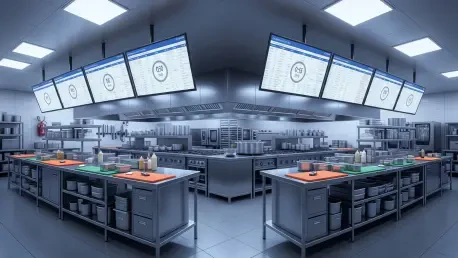
A critical component of this digital transformation involves the seamless integration capabilities of the hardware with existing point-of-sale infrastructure. The system was specifically engineered to operate harmoniously with platforms like Lavu, allowing for a diverse range of configurations tailored to the unique physical layout of the restaurant. Because the interface is browser-based, management can easily configure dedicated screens for specific roles, such as line cooks, expediters, or even customer-facing order status boards. This level of adaptability ensures that the technology serves the workflow rather than forcing the staff to adjust to rigid software constraints. Furthermore, the collaboration between hardware providers and software specialists like Kitchen Armor highlights an industry-wide trend toward connected solutions. By leveraging smart connectivity, restaurants can eliminate the administrative friction that typically occurs when front-of-house staff must manually relay complex modifications or allergy alerts to the culinary team in the back.
Actionable Outcomes: Precision and Future Scalability
The immediate results of this implementation revealed significant improvements in cook times and overall synchronization between the service and kitchen teams. Staff members gained a much clearer understanding of guest preferences, as digital displays provided instant updates that manual tickets simply could not match. The success of this initiative prompted plans to scale the technology across multiple locations, proving that digitizing the kitchen is a necessary step for maintaining competitive service standards. To achieve similar results, operators sought to prioritize systems that offered both reliability and ease of use for their employees. They focused on eliminating bottlenecks by utilizing real-time data to identify delays in the preparation process before they affected the guest experience. Ultimately, the transition allowed the culinary team to refocus their energy on food quality rather than administrative tasks. This shift established a new benchmark for operational excellence that utilized smart technology to bridge the gap between back-office management and the fast-paced reality of the kitchen floor.