
The global hospitality sector is currently witnessing a massive tectonic shift as travelers move away from generic luxury toward experiences that offer both historical depth and modern sophistication. Fairmont Hotels & Resorts has responded to this evolving demand by launching one of the most ambitious global renovation programs in the history of the brand, aimed at modernizing its portfolio while meticulously honoring its storied past. This strategic initiative involves upgrading approximately 20% of the brand’s total global inventory, with major projects spanning across North America, Europe, Asia, and Africa. It is a clear indication that the brand is not merely content with resting on its laurels but is actively investing in the intersection of heritage and contemporary luxury. By revitalizing legendary landmarks such as The Savoy in London and the Fairmont Grand Hotel Geneva, the organization is ensuring that its most iconic properties continue to set the standard for elite travelers. CEO Omer Acar has aptly described these properties as the “gathering places of the world,” emphasizing a vision where every hotel serves as a cultural and social hub. This comprehensive strategy successfully bridges the gap between a prestigious legacy and a future-facing identity, allowing the brand to maintain its reputation for timeless elegance while seamlessly integrating the high-tech amenities and modern comforts required by the modern traveler.
Core Pillars: The Intersection of Wellness and Exclusive Service
A fundamental component of this brand-wide transformation is the elevation of wellness from a secondary amenity to a central pillar of the guest experience. Fairmont is actively moving beyond traditional hotel spas to establish comprehensive Wellness Clubs that function as holistic sanctuaries for physical and mental rejuvenation. These advanced facilities often feature integrated medical clinics, state-of-the-art fitness centers, and specialized recovery amenities such as Himalayan salt saunas and cryotherapy chambers. By prioritizing health and longevity, the brand is catering to a rapidly growing demographic of high-net-worth individuals who view wellness as an essential, non-negotiable component of a luxury stay. This shift reflects a broader industry trend where travelers seek out environments that support their personal health goals, even while on the road for business or leisure. The introduction of bio-hacking technologies and personalized nutrition plans further distinguishes these Wellness Clubs from standard hospitality offerings, positioning the brand as a leader in the global wellness tourism market which continues to expand at an unprecedented rate.
Building upon this commitment to personalized service, the brand is also significantly expanding its Fairmont Gold offering across several key locations. This “hotel-within-a-hotel” concept is designed to provide an even more exclusive and tailored environment for guests who require a higher degree of privacy and attention. Fairmont Gold members benefit from dedicated floors, private check-in areas, and exclusive lounges that offer a respite from the main hotel’s activity. This localized approach to luxury is complemented by a renewed focus on culinary innovation, where renovations often coincide with the debut of world-class dining concepts. Many of these projects involve collaborations with Michelin-starred chefs or the creation of locally-inspired restaurants that celebrate the regional history and seasonal flavors of the host city. By turning these hotels into primary culinary destinations, the brand ensures that they remain relevant to local residents as well as international visitors. This strategy not only enhances the guest experience but also diversifies the revenue streams of the properties, making them more resilient in a competitive global market.
Regional Transformation: Modernizing Landmark Properties in North America
In North America, the renovation efforts are particularly concentrated in Canada, which serves as the traditional heart of the Fairmont portfolio. The Fairmont Pacific Rim in Vancouver is currently setting a new benchmark for urban wellness by combining its Five-Star spa facilities with a longevity-focused medical clinic. This facility offers guests access to preventative health screenings and specialized treatments that were previously only available in dedicated medical settings. Meanwhile, the Fairmont Château Laurier in Ottawa is undergoing a significant update to its guestrooms and the addition of new culinary spaces that capitalize on the property’s prime location overlooking the city’s political landmarks and the Rideau Canal. These updates are carefully managed to ensure that the historic architectural soul of these buildings is preserved while the interiors are brought up to contemporary standards of luxury and efficiency. The goal is to create a seamless transition between the grandeur of the past and the sleek, functional design required by modern executives and leisure travelers who frequent these flagship Canadian locations.
Further south in the Atlantic region, the most ambitious redevelopment project is currently taking place at the Fairmont Southampton in Bermuda. With an investment of approximately $550 million, this represents the largest private renovation project in the island’s history and involves a total reimagining of nearly 600 guestrooms. The scope of the project includes the construction of a massive new event space designed to attract major international conferences and a complete redesign of the property’s championship golf course. This massive undertaking is a clear signal of Fairmont’s commitment to redefining luxury tourism in the Caribbean and Atlantic regions, transforming the property into a premier destination for both leisure travelers and high-profile corporate events. The project also includes significant environmental upgrades, aimed at improving the resort’s energy efficiency and sustainability profile, which is increasingly important to modern travelers who prioritize eco-conscious luxury. This redevelopment is expected to have a profound impact on the local economy, reinforcing the resort’s position as a cornerstone of Bermuda’s hospitality industry for years to come.
Cultural Immersion: Blending Tradition with Local Context in the Pacific
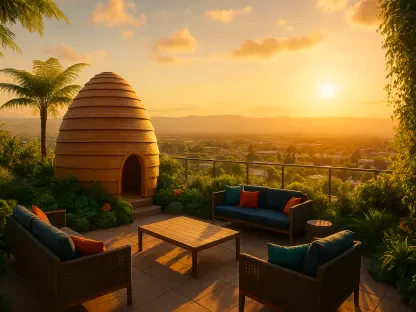
The brand’s approach to its properties in Hawaii, such as the Fairmont Orchid and Fairmont Kea Lani, emphasizes a deep “sense of place” by incorporating local traditions and materials directly into the design and service philosophy. Renovations at these island locations utilize textures, colors, and craftsmanship rooted in traditional Hawaiian culture, creating an environment that feels authentic rather than manufactured. For instance, the design teams have integrated local hardwoods and stone into the public spaces, while the guestrooms feature artwork created by local artisans. This focus on authenticity extends to the culinary programs, where the hotels integrate local agriculture into the daily guest experience. By utilizing honey from on-site hives and creating menus that honor the multicultural history of Hawaii’s sugarcane era, the brand provides guests with a genuine connection to the heritage of the islands. This strategy resonates strongly with modern luxury travelers who are increasingly seeking out travel experiences that provide cultural enrichment alongside traditional comfort.
Across the ocean in Europe, the brand is carefully managing the delicate balance between preserving the “Grand Hotel” legacy and implementing necessary modern upgrades. London’s iconic Savoy is currently undergoing a phased restoration to ensure that the guest experience remains uninterrupted while its Edwardian and Art Deco wings are meticulously refreshed. In Switzerland, the Fairmont Grand Hotel Geneva has temporarily closed its doors for a total transformation that includes a complete redesign of the building’s facade. A key feature of this project is the addition of loggias to many of the guestrooms, which will significantly enhance the views of Lake Geneva and the surrounding Alps. This project is specifically designed to elevate the hotel’s status among international diplomats and high-net-worth residents who utilize the property for both business and social gatherings. By investing so heavily in these European landmarks, Fairmont is reinforcing its position as a steward of architectural history, ensuring these buildings remain functional and fashionable for a new generation of global citizens.
The Strategic Path: Developing Integrated Luxury Ecosystems for the Future
Looking toward the broader global landscape, the brand has announced several “reinventions” in Asia and Central Canada that involve total property closures to facilitate deep structural and aesthetic changes. The Fairmont Winnipeg and Fairmont Beijing are both currently undergoing total overhauls to ensure they remain leaders in their respective markets. These projects are described by management as being much more than simple cosmetic renovations; they are ground-up redesigns intended to reflect the unique spirit and rapid development of each city. By closing these properties entirely during the renovation process, the brand is able to complete complex infrastructure upgrades that would be impossible to execute while guests are in residence. This bold approach demonstrates a commitment to long-term quality over short-term revenue, ensuring that when these hotels reopen, they will be positioned at the absolute pinnacle of their local markets. These “reinventions” are expected to set new standards for luxury in their regions, incorporating the latest in smart-room technology and sustainable building practices.
The overall trend across these diverse projects reveals a strategic shift from providing simple accommodation to building integrated luxury ecosystems. Fairmont is clearly moving away from a “one-size-fits-all” model in favor of localized, experience-driven hospitality that prioritizes historical preservation alongside modern wellness and culinary excellence. These massive investments highlighted the organization’s confidence in the long-term growth of the high-end travel sector and its commitment to remaining a global leader in the hospitality industry. Travelers who sought out these properties discovered that the brand successfully transitioned its historic assets into the modern era. To maximize the benefits of this evolution, guests should look for properties that have recently completed their “Gold” or “Wellness Club” transitions, as these locations offered the most comprehensive version of the new brand standard. The focus shifted toward creating meaningful connections between the guest and the destination, proving that the true value of luxury lay in the depth of the experience rather than just the opulence of the surroundings.