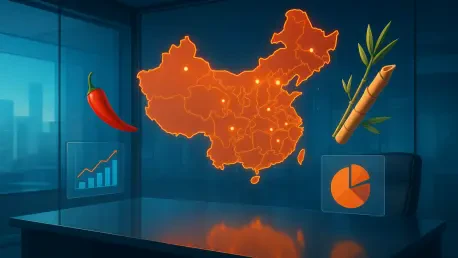

Massive tourism spikes in culturally distinct regions like Quanzhou have paved the way for a culinary movement that values the unique and remote elements of provincial life. This transformation marks a departure from the previous decade’s obsession with nationwide standardization, where major chains defined the pinnacle of dining success through uniform menus and predictable service. Today, the Chinese consumer, particularly within the influential Gen Z and millennial demographics, views such consistency as secondary to the thrill of discovery and the aesthetic narrative of a meal. This shift has birthed a “fast-fashion” approach to dining, where regional specialties that were once confined to rural wet markets are being polished, branded, and exported to Tier-1 cities like Shanghai and Beijing. The movement is not merely about food; it is a sophisticated reclamation of local identity within a globalized commercial landscape. By leveraging the visual power of social media and the logistical prowess of professional restaurant incubators, niche cuisines are being reimagined as premium experiences. These brands capitalize on the “vibe” of a location—recreating the atmosphere of a bustling coastal street corner or a misty mountain village within the confines of a high-end urban shopping mall. This cultural pivot reflects a broader desire among urbanites to reconnect with a sense of place that feels authentic and unmanufactured, even if that authenticity is meticulously engineered by corporate entities. As the market becomes saturated with homogeneous brands, the “strange” or “remote” elements of regional life provide the emotional connection and novelty required to capture consumer attention in a hyper-competitive environment.
Engineering the Rural Aesthetic for the Modern City
Technical Innovation: Managing Volatile Organic Compounds
One of the most significant technical hurdles for integrating regional cuisines like that of Guangxi or Guizhou into urban commercial spaces is the management of intense, often polarizing aromas. Traditional ingredients, specifically fermented bamboo shoots used in iconic dishes like river snail rice noodles, produce volatile organic compounds that can be perceived as unpleasant in enclosed, high-density environments. To resolve this, modern restaurateurs are employing advanced kitchen engineering and scientific fermentation controls. By collaborating with food scientists, these brands have developed shorter fermentation cycles and proprietary brining techniques that stabilize the “pungency” of the bamboo without sacrificing its essential flavor profile. High-heat stir-frying methods are also being fine-tuned to neutralize airborne odors at the source. This technical intervention allows a regional bistro to operate in a luxury shopping mall or a corporate office district without the sensory drawbacks that previously relegated these cuisines to outdoor street stalls. Furthermore, the physical architecture of the dining space has evolved. Modern ventilation systems are now designed with high-efficiency particulate air filters and localized exhaust hoods that ensure the scent of the food does not cling to the clothing of patrons. This engineering feat has effectively “gentrified” the olfactory experience, making it possible for young professionals to enjoy a bowl of traditional noodles during a quick lunch break and return to a formal office setting without carrying the signature scent of the countryside with them.
Flavor Translation: Adapting Niche Profiles for the Urban Palate
Beyond the physical environment, the culinary core of regional brands is undergoing a process of “flavor translation” to appeal to a wider demographic. While the initial draw of these restaurants is their claim to authenticity, successful operators recognize that the palate of a diner in Shanghai differs significantly from one in a remote village. To bridge this gap, chefs are creating hybrid dishes that pair rugged, spicy, or sour regional ingredients with the milder, often sweeter profiles favored in eastern coastal cities. This might involve reducing the level of capsaicin in a Guizhou-style sour fish soup or adding glutinous textures and savory-sweet glazes to traditional snacks. This fusion approach ensures that the dish remains recognizable to those familiar with the source material while remaining approachable to the uninitiated. It is a delicate balancing act that prioritizes “perceived authenticity” over rigid traditionalism. By refining the textures—making them softer, creamier, or crispier—and balancing the acidity, restaurants create a “refined” version of the original recipe. This strategy allows the brand to market itself as a purveyor of “genuine” regional flavor while actually serving a product that is optimized for the sensory preferences of a sophisticated urban population. This evolution is central to the “fast-fashion” model, where the primary goal is to provide a trend-aligned experience that is easy to consume and enjoy, facilitating rapid adoption across different geographic markets without the friction of an overly challenging flavor profile.
Visual Currency: Elevating Street Food Through Design
Presentation plays an equally vital role in this transformation, turning simple street snacks into premium dining experiences that command higher price points. Food that was once served in humble plastic bags or disposable containers is now presented in elegant ceramics, handcrafted wooden vessels, or minimalist glassware. Meticulous garnishing—using microgreens, edible flowers, or traditional herbs arranged with geometric precision—converts a rustic meal into a “social currency” event. These visually stunning dishes are designed specifically to be shared on platforms like Xiaohongshu and Douyin, providing the aesthetic appeal that young diners crave. The interior design of these restaurants often avoids the clichéd “red-and-gold” motifs of traditional Chinese dining in favor of a “modern regionalism.” This might include industrial materials like concrete and steel paired with traditional elements like bamboo weaving or local stone. The lighting is carefully calibrated to be “photo-ready,” ensuring that every angle of the restaurant provides a perfect backdrop for a social media post. By elevating the visual narrative, the brand creates a sense of exclusivity and sophistication. This allows them to charge a premium not just for the food itself, but for the “vibe” and the ability of the consumer to signal their refined taste to their social circles. The result is a dining experience that feels like a curated gallery visit, where the regional identity serves as the “exhibit” and the restaurant serves as the sophisticated curator, transforming the ordinary into the extraordinary through the lens of modern design.
The Business Infrastructure of Modern Food Trends
Professional Incubation: The New Culinary Anthropology
The rise of these regional trends is rarely an accident; it is the result of deliberate planning by experienced restaurant groups and professional business incubators. These organizations have moved away from outdated models and are instead scouting domestic regions like Yunnan, Ningxia, and the frontiers of the Silk Road for niche flavors that can be industrialized. They function almost like anthropologists, sending “food scouts” to remote wet markets, farmlands, and village kitchens to identify specific local specialties that have not yet been mass-marketed. Once a unique flavor profile or ingredient is identified, the incubator brings a proven template of success to the table. They combine regional aesthetics with modern corporate management, logistics, and marketing to create an immersive, “local” brand that is ready for a national rollout. This process ensures that the “authenticity” of the ingredients is backed by a professional supply chain, ensuring consistent quality even as the brand scales to dozens of locations. These scouts look for “storytelling potential”—ingredients with a history or a unique geographical origin that can be used to build a compelling brand narrative. This methodology has transformed the way the industry operates; it is no longer about a single chef bringing their hometown recipes to a new city, but rather a corporate engine identifying a cultural asset and manufacturing a brand around it. This systematic approach allows for the rapid commercialization of regional heritage, turning local agricultural products into high-value urban commodities in a fraction of the time it took for traditional brands to grow.
Algorithmic Growth: Scaling via Social Media Data
The lifecycle of a modern dining trend is now heavily dictated by traffic data and algorithmic performance on social media platforms. Investors and franchisees monitor spikes in keyword searches and video views on platforms like Douyin to determine which regional category is ready for large-scale commercial entry. If a specific city like Zibo or Tianshui becomes a viral tourism sensation, restaurateurs immediately begin developing concepts that capture that specific local flavor. This data-driven approach allows brands to secure prime locations in major shopping malls, which are increasingly eager for “traffic-driving” concepts that can guarantee a steady stream of young, high-spending customers. The speed at which these brands scale is unprecedented. A concept can go from a single pilot store in a back alley of Shanghai to fifty locations across three provinces in less than a year. This is made possible by a modular approach to restaurant design and a centralized supply chain that pre-processes ingredients at a regional level before they ever reach the store. The goal is to capture the “peak” of a social media trend window before consumer fatigue sets in. By following the data, restaurant groups can pivot their entire strategy, rebranding locations or launching new sub-brands to match the shifting interests of the public. This agility is a hallmark of the modern Chinese dining industry, where the ability to interpret and act on digital signals is often more important than the culinary skill of the kitchen staff, reflecting a market that moves at the speed of an internet connection.
Agile Branding: Moving Beyond the Century-Old Legacy
The current generation of entrepreneurs has largely abandoned the traditional goal of creating “century-old brands,” opting instead for a model characterized by agility and transient impact. They recognize that in the modern economy, consumer tastes move in rapid cycles and that aesthetic fatigue is an inevitable byproduct of a hyper-connected society. Consequently, the focus has shifted toward capturing a specific trend window and maximizing profitability before the market cools. This portfolio-based strategy allows groups to run multiple regional brands simultaneously—perhaps a Chaoshan beef hotpot brand alongside a Guangxi bistro and a Yunnan coffee house—swapping one for another as the cultural spotlight shifts. When a brand begins to lose its social media traction, the parent company can quickly dismantle the concept and retool the existing physical space into the “next big thing” with minimal capital loss. This flexibility is a direct response to the volatility of the urban consumer market, where “newness” is the primary driver of value. It also reflects a pragmatic understanding of brand longevity; rather than trying to sustain a single identity for decades, these companies view brands as “content” that must be refreshed and replaced to keep the audience engaged. This shift in mindset from “legacy” to “agility” has redefined the relationship between the restaurant and the consumer. The dining establishment is no longer a permanent fixture of the neighborhood but a temporary installation, a physical manifestation of a digital trend that exists to serve a specific cultural moment before evolving into its next form.
This evolution represented a profound realignment of how regional identity functioned within the commercial sphere. The push for local authenticity emerged not as a rejection of globalization, but as a sophisticated adaptation to it, where the unique characteristics of remote provinces provided the necessary variety to sustain a saturated urban market. By professionalizing the scouting of ingredients and the engineering of the dining environment, the industry successfully turned “obscure” regional cultures into mainstream lifestyle choices. These brands moved away from the rigid structures of the past, realizing that the value of a meal was as much about the narrative and the aesthetic as it was about the nutritional content. As the boundaries between rural tradition and urban modernity continued to blur, the dining table served as a critical site for cultural exchange. Consumers discovered that by patronizing these specialized bistros, they were participating in a larger dialogue about what it meant to be local in a world that often felt increasingly generic. The success of this movement suggested that the future of dining would not be found in global homogeneity, but in the constant rediscovery and reimagining of the local. This shift toward regionalism provided a blueprint for other industries, demonstrating that heritage and modern business efficiency could coexist to create something that felt both deeply rooted and entirely new. Ultimately, the transformation of the Chinese dining landscape offered a clear insight: in an age of digital saturation, the most valuable commodity was a genuine sense of place, even if that place was thousands of miles away.