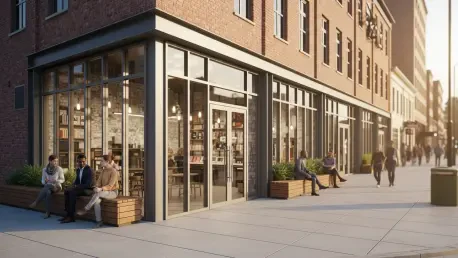

The evolution of the modern fast-casual dining landscape has reached a pivotal juncture where the mere presence of a health-oriented menu no longer suffices to secure long-term market dominance. In this increasingly competitive environment, South Block has distinguished itself by transitioning from a beloved local entity in Arlington, Virginia, into a formidable multi-state contender that prioritizes local synergy over rapid, impersonal expansion. The recent inauguration of the brand’s twenty-fifth systemwide location in the Plaza Midwood neighborhood of Charlotte, North Carolina, serves as a significant case study in how a company can scale its operations while maintaining the intimate feel of a neighborhood staple. By choosing 1711 Commonwealth Avenue—a site situated within a vibrant, high-energy district—the brand underscores its philosophy that growth is most effective when it integrates seamlessly into the daily rhythms of a community, rather than simply imposing a corporate template upon a new demographic. This strategic entry into the North Carolina market represents a sophisticated blueprint for scaling that balances financial robustness with a commitment to local culture, ensuring every storefront functions as a social hub rather than just a commercial point of sale.
Strategic Urban Integration: Navigating the Intersection of Capital and Culture
The success of this expansion model is fundamentally rooted in a strategic partnership with the Savory Fund, a private equity firm renowned for providing necessary financial infrastructure without diluting the core identity of growing restaurant brands. Since its founding, the brand has navigated the complexities of regional growth by focusing on high-energy, walkable districts that foster frequent foot traffic and organic social interaction. This approach reflects a broader industry trend where the objective is to cultivate a specific atmosphere alongside commercial success, a metric that is difficult to quantify but essential for long-term loyalty in the modern market. By prioritizing locations that are already established as cultural or social epicenters, the brand effectively bypasses the initial friction often associated with entering a new state. The expansion from 2026 to 2028 is projected to follow this exact trajectory, targeting metropolitan areas that value wellness and active lifestyles, thereby ensuring each new site has an immediate and relevant audience. This method allows the company to maintain a premium positioning while competing with much larger, more established health-food chains that often lack the same level of localized community engagement.
Operational consistency serves as the backbone for this expansion, yet it is tempered by an intentional flexibility that allows the brand to adapt to the specific needs of its surrounding environment. The decision to host a large-scale event for the Charlotte opening, complete with live entertainment and branded giveaways, illustrates an effort to transcend the traditional transactional nature of a grand opening. By offering the first 100 guests complimentary Mini Warrior Acai Bowls, the company actively incentivizes the formation of a new local habit, positioning itself as a generous and active participant in the neighborhood’s social fabric. This strategy is particularly effective in high-energy districts like Plaza Midwood, where residents value authenticity and brands that contribute positively to the local atmosphere. The focus remains on creating a consistent, quality-driven experience that resonates with health-conscious consumers who seek more than just a quick meal. Through this lens, the expansion is not merely a numbers game focused on increasing store counts but is a calculated effort to build a network of interconnected community hubs. This methodology ensures that as the brand continues its journey across the Southeast, it retains the agility and cultural relevance that characterized its early success in the Virginia and D.C. markets.
Mission-Driven Innovation: Menu Evolution and Philanthropic Synergy
A critical component of this redefined growth strategy involves a focus on product innovation that caters to the evolving preferences of the health-conscious demographic. The menu at the new Charlotte location features an array of handcrafted acai bowls, cold-pressed juices, and smoothies designed to integrate into various customer routines, from morning gym sessions to mid-afternoon energy boosts. Notably, the introduction of specialized items like high-protein smoothies and flexible mini acai bowls demonstrates an understanding of the diverse needs of urban professionals and fitness enthusiasts. These offerings are not merely dietary options; they are tools for community engagement, as they align with the lifestyle goals of the brand’s target audience. By operating with extended hours from 7 a.m. to 8 p.m., the brand ensures it is accessible throughout the day, reinforcing its role as a reliable staple of the local lifestyle. This commitment to meeting the consumer where they are, both in terms of nutrition and convenience, allows the company to solidify its market share in a way that purely transactional businesses cannot. The menu acts as a bridge, connecting the brand’s high standards for quality with the everyday practicalities of its customers, thereby fostering a sense of belonging and mutual investment between the establishment and its patrons.
Looking forward, the integration of a social mission through the nonprofit Fruitful Planet provided a template for how modern enterprises successfully balanced profitability with a genuine social conscience. The brand’s initiative to provide fresh produce to underserved populations demonstrated that expansion did not have to occur at the expense of social equity. For other leaders in the fast-casual space, the most important takeaway involved the necessity of embedding philanthropic efforts directly into the corporate identity rather than treating them as afterthoughts. Stakeholders discovered that consumers in 2026 and beyond demanded more than just quality products; they sought out brands that actively contributed to the greater good. This realization led to a shift toward more holistic business models where community service became a core metric of success. The actionable step for industry participants involved identifying specific local needs and addressing them through sustainable, long-term partnerships rather than one-off donations. By following this blueprint, companies managed to secure deeper brand loyalty and created a more resilient market presence. Ultimately, the successful expansion into the Southeast proved that the most effective growth strategies were those that prioritized the well-being of the community as much as the bottom line.