
The rapid transformation of Kigali into a premier destination for international business and high-end tourism has created an urgent demand for a hospitality workforce that can deliver world-class service consistently. As new luxury properties emerge across the capital, Zaria Court, a distinctive member of the Tapestry Collection by Hilton, is positioning itself as a leader by addressing the critical gap between local talent and global expectations. This shift moves beyond the provision of physical luxury, focusing instead on the human element that defines a guest’s perception of a brand. Through a rigorous upskilling initiative, the hotel aims to instill a culture where excellence is not an occasional achievement but a standard operating procedure. This commitment to professional development ensures that every interaction reflects the sophistication of the property. By prioritizing these investments in human capital, the hotel is effectively setting a high benchmark for the entire region.
Technical Precision: Refining the Guest Experience
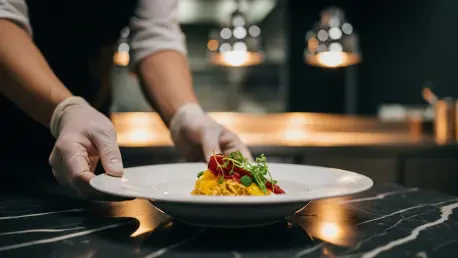
The cornerstone of the current training initiative involves specialized modules designed to perfect the technical nuances of high-end service, ranging from fine dining etiquette to precise table arrangements. By focusing on these intricate details, the hotel ensures that its staff can navigate the complexities of luxury service with confidence and grace. This training is particularly vital in the Food and Beverage department, where the difference between a standard meal and a memorable culinary journey often lies in the subtlest of gestures. Employees are trained to understand the importance of timing, presentation, and the specific protocols required for various international cuisines. Furthermore, the curriculum emphasizes the importance of maintaining consistency across all service points, ensuring that the quality remains uniform throughout the day. This dedication to technical mastery allows the staff to execute their duties with a level of professionalism that aligns with international standards.
Beyond the mechanics of service, the program introduces a sophisticated approach to revenue generation through the psychology of subtle upselling and cross-selling. Rather than utilizing aggressive sales tactics, the staff is taught to offer personalized recommendations that truly enhance the guest experience, such as suggesting a local pairing for a specific dish or an exclusive treatment. This method builds trust and adds value to the stay, turning a simple transaction into a curated experience. Additionally, the training reframes guest complaints as critical opportunities for service recovery, equipping the team with standardized strategies to de-escalate tensions effectively. By resolving issues before a guest checks out, the hotel manages to turn potential disappointment into a moment of genuine connection. This dual focus on revenue growth and guest satisfaction creates a sustainable model that benefits both the business and its clientele while fostering long-term loyalty.
Internal Synergy: Building a Culture of Cooperation
Achieving a seamless guest journey requires a total breakdown of departmental silos, a goal that sits at the center of the hotel’s “one team” philosophy. The training program emphasizes that the success of the Food and Beverage team is intrinsically linked to the performance of every other department on the property. When staff members operate in total synergy, the transition between different areas of the hotel, such as the sports viewing lounges and the rooftop bar, feels effortless to the visitor. This collaborative mindset ensures that information flows freely across the organization, preventing the small lapses in communication that can often disrupt a guest’s stay. By fostering an environment where every employee understands the broader organizational goals, the hotel creates a unified front that prioritizes collective success over individual achievements. This internal cohesion is essential for maintaining a high-pressure environment while providing a very serene atmosphere.
Effective communication serves as the vital backbone of this unified service model, covering the nuances of both verbal and non-verbal interactions. Staff members are trained to maintain a professional and welcoming demeanor even when faced with the high-stress demands of a busy dining environment. This involves mastering the art of proactive guest management, where employees learn to anticipate needs before they are explicitly voiced by the visitor. For instance, noticing a guest’s empty glass or providing information about local attractions without being asked creates a sense of attentive care. The training also focuses on non-verbal cues, such as posture and eye contact, which are essential for conveying warmth and reliability in a multicultural setting. By refining these communication skills, the team is better equipped to handle diverse scenarios with poise. This level of preparation ensures that the guest feels valued and understood at every point of contact during the stay.
Cultural Intelligence: Advancing Regional Industry Standards
In an increasingly globalized travel market, the ability to navigate cultural nuances is a significant competitive advantage for luxury properties in Kigali. The training program places a heavy emphasis on cultural intelligence, teaching staff to adapt their service style based on the specific backgrounds and preferences of their guests. This means distinguishing between visitors who desire a “high-touch” interactive experience and those who prefer “low-touch” efficiency and privacy. By recognizing these subtle cultural cues, the staff can tailor their approach to meet individual expectations, acting as effective brand ambassadors for both the hotel and the Rwandan tourism industry. This adaptability is crucial for building long-term loyalty among a diverse clientele that includes international business travelers and local patrons. When guests feel that their cultural preferences are respected and understood, it deepens their connection to the brand and enhances the reputation of the destination.
This initiative is part of a broader trend of regional knowledge exchange, as Zaria Court leverages high-level expertise from the Nairobi Institute of Hospitality in Kenya. By drawing on regional best practices, the hotel is not only elevating its own internal standards but also contributing to the professionalization of the hospitality sector across East Africa. The success of the Food and Beverage training is merely the first phase of a comprehensive strategy, with plans already being implemented to extend similar professional development to the Front Office team. This continuous investment in human capital demonstrates a long-term commitment to excellence that goes beyond short-term operational needs. By prioritizing regional cooperation and the development of local talent, the hotel is building a resilient workforce that can compete on a global stage. This forward-thinking approach ensures that Rwanda remains a top-tier destination for luxury hospitality, fueled by a staff that is highly skilled.
Strategic Evolution: A Look Back at Service Improvements
The implementation of these rigorous training protocols represented a significant turning point for the local hospitality landscape, demonstrating that human capital is as important as physical infrastructure. Over the past several months, the hotel successfully transitioned from a traditional service model to one characterized by proactive engagement and technical precision. Guests began to notice a tangible difference in the quality of their interactions, as the staff moved beyond basic duties to provide truly personalized care. This transformation was not merely about improving ratings; it was about creating a sustainable ecosystem where employees felt empowered and valued in their roles. By investing in the professional growth of the team, the leadership ensured that the high standards of the Tapestry Collection by Hilton were fully realized in the heart of Kigali. The initial phases of this program proved that a well-trained workforce is the most valuable asset a hotel can possess.
The success of these initiatives indicated that the most effective way forward involved the permanent integration of professional development into the core business model. Leaders who prioritized continuous learning discovered that establishing internal mentorship programs allowed the sophisticated skills of senior staff to permeate throughout the entire organization. It became clear that utilizing data to track the direct correlation between specific training modules and guest satisfaction was the only way to refine the curriculum for a changing market. Furthermore, the expansion of regional partnerships proved essential for maintaining a competitive edge by facilitating the exchange of innovative ideas between neighboring countries. These steps ensured that the rise in service quality remained a permanent fixture of the industry rather than a temporary trend. Ultimately, the industry learned that long-term success depended entirely on the ability to cultivate a deep-seated culture of learning among the staff.