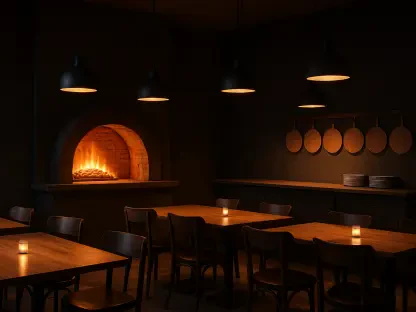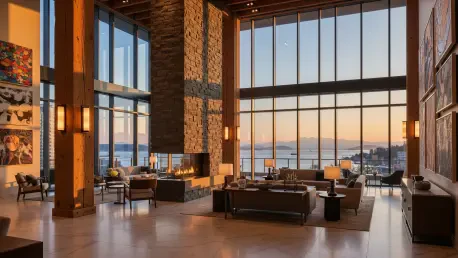

The skyline of Seattle is currently defined by a massive $800 million transformation of its historic Elliott Bay waterfront, creating a ripple effect that is reshaping the city’s luxury hospitality sector from the ground up. This ambitious revitalization project has acted as a catalyst for a new era of urban lodging, where the stark lines of modern architecture meet the rugged textures of the Pacific Northwest’s industrial and maritime history. Rather than simply building glass towers, developers and hoteliers are focusing on deep-rooted storytelling, ensuring that every suite and social space reflects a genuine sense of place. This shift represents a broader movement within the industry to move beyond traditional opulence in favor of authentic, contextually rich experiences. Visitors now find themselves at the intersection of high-end comfort and civic legacy, as the city successfully integrates its foundational past with a forward-thinking vision for urban living and luxury tourism.
The New Wave: Evolution of Narrative Driven Hospitality
Modern travelers are increasingly rejecting the sterile uniformity of international hotel chains in favor of properties that offer a distinctive narrative and a deep connection to their surroundings. In Seattle, this new wave of hospitality prioritizes a holistic approach to wellness, sustainability, and regional culture, transforming hotels from mere places of rest into vibrant community centers. Many of the city’s premier establishments now feature meticulously curated dining programs that serve as love letters to the local terroir, highlighting ingredients sourced directly from the Sound and nearby valleys. These spaces also double as galleries for the region’s artistic community, showcasing the creative spirit of the Northwest through rotating installations that engage both guests and locals. This integration of social life and luxury lodging ensures that the property remains relevant as a cultural landmark rather than just a commercial entity.
A significant driver of this local evolution is the commitment to architectural reimagining, a trend that sees century-old warehouses and former institutional buildings find new life as five-star retreats. Instead of opting for the easier path of demolition, the city’s development landscape is characterized by a preservationist mindset that honors the industrial and academic foundations of Seattle. By retrofitting historical structures with state-of-the-art amenities, hoteliers provide a tangible link to the city’s timeline while meeting the highest standards of modern luxury. This strategy not only preserves the physical character of downtown neighborhoods but also appeals to guests who value historical depth over superficial glitz. The result is a hospitality market that feels both established and energetic, proving that the most effective way to innovate is often to look back at what made a place significant in the first place, ensuring the architectural heritage remains a functional part of the fabric.
Coastal Anchors: Luxury Destinations on the Waterfront
The Four Seasons Seattle and Inn at the Market serve as the dual anchors of the city’s downtown luxury scene, each offering a distinct but equally compelling connection to the Elliott Bay waterfront. The Four Seasons has long set the benchmark for traditional elegance, famously featuring the city’s only outdoor infinity pool that overlooks the bustling harbor and the distant Olympic Mountains. It represents a masterclass in service and sophisticated design, providing a seamless transition from the high-energy streets of the city to a sanctuary of calm and refined luxury. Just a stone’s throw away, the Inn at the Market offers a more intimate, boutique experience that is woven directly into the vibrant tapestry of the Pike Place Market. Guests here enjoy immediate access to the world-renowned stalls and eateries, experiencing the city’s culinary heart from a perspective of quiet exclusivity while maintaining a high level of privacy and comfort away from the market crowds.
Further along the coastline, the Edgewater Hotel stands as a literal landmark of Seattle’s maritime and cultural history, perched directly over the waters of Elliott Bay. As the city’s only overwater hotel, it occupies a unique space in the hospitality landscape, having hosted legendary musical figures ranging from The Beatles to the pioneers of the grunge movement. The property embraces a rugged, coastal aesthetic that feels like a sophisticated lodge, utilizing natural wood and stone to create a warm atmosphere amidst the misty Pacific Northwest weather. Recent updates have ensured that while its rock-and-roll legacy remains intact, the guest experience is elevated by world-class waterfront dining and modern technology. The sensation of the tide moving beneath the floorboards provides a constant reminder of the city’s relationship with the sea, making it an essential destination for those seeking a lodging experience that is inseparable from the geography of the harbor and its industrial roots.
Strategic Pathways for Future Urban Hospitality
Innovation is currently defined by environmental stewardship, with properties like Populus and 1 Hotel leading the charge in sustainable luxury. Populus, housed within a restored 1907 warehouse, has gained international attention as the first carbon-positive hotel on the West Coast. This achievement is the result of rigorous design choices, including the use of recycled industrial materials and a commitment to large-scale reforestation projects that offset more than the building’s total carbon footprint. In a similar vein, 1 Hotel has introduced a zero-waste ethos and biophilic design principles to the downtown core, creating nature-inspired environments that promote mental clarity and physical health. These properties offer unconventional amenities, such as boat saunas and high-tech wellness centers, that cater to a modern, environmentally conscious traveler who expects their stay to align with their personal values. This marriage of high technology and responsibility marks a departure from tradition.
While some hotels focus on green technology, others like the Fairmont Olympic and Lotte Hotel demonstrate how to honor Seattle’s architectural history while staying relevant. The Fairmont Olympic remains the city’s Grand Dame, a 1924 landmark that has undergone extensive interior modernization to ensure it continues to offer the pinnacle of prestige. Within its storied walls, traditional rituals like afternoon tea are still practiced, providing a sense of continuity in a rapidly changing urban environment. Conversely, the Lotte Hotel offers a bold fusion of periods by connecting a 1908 Beaux-Arts church to a sleek, modern glass tower. This juxtaposition creates a dramatic visual dialogue between the ornate craftsmanship of the early twentieth century and the minimalist precision of the twenty-first. By integrating these historic spaces into a contemporary luxury framework, these hotels ensure that the city’s architectural milestones are preserved through active use and constant innovation.
The evolution of Seattle’s luxury lodging sector provided a clear blueprint for how modern cities might navigate the complex intersection of heritage and growth. Developers prioritized the adaptive reuse of existing structures, which effectively minimized the environmental impact of new construction while enriching the urban aesthetic. This focus on contextual design allowed for a more seamless integration of high-end properties into established neighborhoods, fostering a sense of mutual benefit between residents and visitors. Moving forward, the industry successfully shifted toward a model where luxury was measured by the depth of a guest’s engagement with the local community. Stakeholders established new standards by investing in carbon-negative technologies and biophilic urban planning, ensuring long-term profitability was linked to ecological responsibility. These strategic steps ensured that the city remained a global leader in sustainable tourism while actively shaping a more responsible future.