
The traditional image of a cruise ship vanishing into the sunset by five o’clock in the afternoon is rapidly becoming an artifact of a bygone maritime era as travelers demand deeper connections. For years, Mediterranean cruising followed a predictable and often exhausting rhythm: a new port every morning and a mandatory departure before the sun could set. This “check-the-box” style of travel, which prioritized the sheer quantity of destinations over the quality of the stay, is currently being challenged by the strategic expansion of the Celestyal Discovery, a 1,360-guest vessel that is shifting the industry focus from speed to depth.
By venturing far beyond its traditional Greek strongholds and into the Western Mediterranean, the ship is redefining what it means to truly see a coastline rather than just passing through it. The expansion represents more than just new coordinates on a map; it is a fundamental reassessment of the relationship between the vessel and the shore. This shift reflects a maturing market where the luxury of time has become more valuable than the number of nautical miles covered in a single week.
Moving Beyond the Whirlwind Tour of Ancient Harbors
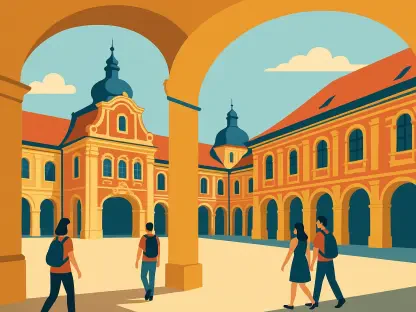
The expansion of this mid-sized vessel marks a pivotal moment for regional tourism, as it breaks the monopoly of the rapid-fire port visit. For decades, the cruise model relied on the efficiency of the “whirlwind tour,” which often left visitors with little more than a cursory glance at ancient ruins before whisking them back to the ship for dinner. In contrast, the current operational strategy focuses on the vessel’s ability to act as a cultural hub, providing access to less-trodden paths while maintaining the logistical convenience of a mobile hotel.
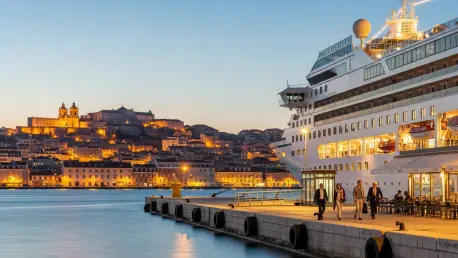
This evolution is particularly evident in the way the ship navigates the Western Mediterranean and North Africa. By moving into these waters, the cruise line is challenging the status quo of larger, mass-market carriers that often struggle to provide intimate access to historic urban centers. The smaller scale of the Celestyal Discovery allows it to dock in locations that remain inaccessible to the giants of the sea, ensuring that the transition from ship to shore is as seamless as possible for those seeking a more personal connection with their surroundings.
The Shift: High-Frequency Sightseeing to Slow Travel
The cruise industry is currently navigating a significant transition as travelers voice a growing fatigue with short, frantic port stays. In an era where cultural immersion is the primary currency of travel, the standard eight-hour window is no longer sufficient to capture the true essence of a destination. The pivot toward “slow travel” addresses this shift by prioritizing the rhythm of local life over the rigid and often arbitrary schedules of maritime logistics. This evolution reflects a broader trend where the journey is no longer just about the vessel, but about the quality of time spent on shore.
This philosophical change encourages a more deliberate exploration of regional identity, from the culinary traditions of a small coastal village to the architectural nuances of a major capital. When passengers are not rushed by the looming threat of an early departure, they are more likely to support local businesses, engage with artisans, and participate in authentic cultural exchanges. The result is a travel experience that feels less like a choreographed performance and more like a genuine discovery of the Mediterranean way of life.
Mapping the New Multi-Continental Itineraries
The core of this transformation lies in the ship’s strategic expansion into fourteen maiden port calls and several distinct, expansive routes. The “Mediterranean Odyssey” marks a bold entry into the Western Mediterranean, featuring extended stays in cultural capitals like Lisbon and Barcelona, accessed via the port of Tarragona. Meanwhile, the “Mediterranean Riviera” serves as a sophisticated bridge, connecting the ancient ruins of Athens and Turkey with the glamour of the Italian and French coastlines. These routes are specifically engineered to blend European maritime history with Moroccan heritage, creating a narrative that spans multiple continents and centuries.
By including ports like Malaga, Gibraltar, Casablanca, and Tangier, the itinerary creates a diverse tapestry of experiences that range from the Andalusian flavors of Spain to the vibrant markets of North Africa. This multi-continental approach provides travelers with a broader perspective on the shared history of the Mediterranean basin. The inclusion of smaller, character-rich stops like Sète in France and Messina in Sicily ensures that the voyage maintains a balance between world-famous landmarks and hidden gems that are often overlooked by standard cruise paths.
Redefining the Value: The Nocturnal Port Experience
By implementing late-night departures and overnight stays, the vessel is effectively doubling the value of the traditional cruise experience. Expert analysis of current travel patterns suggests that the most authentic cultural engagement happens after the traditional cruise crowds have returned to their ships. The “nocturnal” port experience allows guests to experience the transition from the bustling daytime tourist economy to the authentic evening atmosphere that defines Mediterranean life. This strategy transforms the vessel from a mere mode of transport into a gateway for genuine exploration.
The ability to dine at a local tapas bar in Malaga or experience the haunting melodies of a fado house in Lisbon provides a depth of experience that daytime-only visits simply cannot match. Witnessing a city as the sun sets and the local residents reclaim the plazas offers a unique perspective on the heritage and social fabric of the region. This approach to scheduling recognizes that a destination’s personality often emerges only under the moonlight, and providing guests the freedom to stay ashore late into the evening is a significant departure from standard industry practices.
Strategies for Tailoring the Immersive Voyage
Travelers looking to capitalize on this new model were encouraged to leverage the ship’s modular itinerary structure to fit their specific cultural interests. It was observed that the most successful explorers opted for seven-night “taster” versions of the Odyssey to focus on specific regions, while others combined multiple routes into a comprehensive 26-night grand tour. To maximize the value of these extended stays, guests shifted their focus toward “slow” excursions that prioritized heritage sites and local food traditions rather than standard bus tours. This flexible framework ensured that the voyage remained a customizable tool for depth and discovery.
The maturation of these itineraries established a new standard where the ship functioned as a base for long-term regional immersion. It was found that prioritizing overnight stays in Lisbon and Barcelona allowed for a more relaxed pace that significantly reduced travel fatigue. By choosing itineraries that bridged the gap between the Eastern and Western Mediterranean, travelers successfully synthesized the ancient and modern worlds in a single journey. This shift in cruise philosophy proved that the most memorable moments were those found in the quiet corners of a city at midnight, rather than in the rapid succession of different harbors.