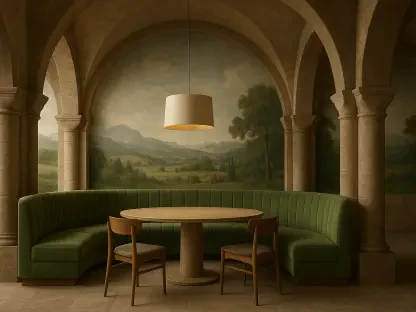

The culinary landscape of the Mediterranean is undergoing a radical transformation as ambitious investors redefine the traditional dining experience through highly localized and specialized concepts. In the heart of the Costa del Sol, the Estepona-based group known as La Murga has initiated a sweeping expansion strategy that aims to introduce ten distinct restaurant venues by the end of next year. Led by entrepreneur Antonio de Juan, this venture is not merely about increasing market share but about embedding authentic regional identity into a modern hospitality framework. This initiative operates under the umbrella of the littleBIG Hospitality Group, a global holding company that integrates creative consultancy, architecture, and property management to streamline complex project launches. By moving away from standardized franchise models, the group seeks to provide a bespoke experience at every location, ensuring that each venue serves as a unique cultural and gastronomic destination for locals and tourists.
Philosophies of Localization and Premium Gastronomy
The core philosophy driving this expansion centers on a commitment to quality over quantity, emphasizing “zero-kilometer” sourcing to support local producers and maintain freshness. This strategy is best exemplified by the group’s sentimental acquisition of El Carnicero 1993, an iconic grill house in the Cancelada area where Antonio de Juan began his professional journey. By revitalizing this flagship location, the group has honored the legacy of traditional grilled meats while modernizing the communal dining experience to meet contemporary standards. Each of the ten planned venues is designed to possess a distinct personality rather than following a uniform chain aesthetic, allowing for a diverse range of culinary expressions. This approach ensures that the expansion contributes to the region’s diversity rather than saturating it with repetitive concepts, thereby maintaining a high level of interest from a sophisticated clientele that values authenticity and high-quality ingredients.
Beyond the local focus, the professionalization of the hospitality sector is a defining characteristic of the littleBIG Hospitality Group’s operational model. With a workforce exceeding 300 employees and a presence in 20 countries, including major offices in Madrid, Mexico City, and Cancún, the group leverages a massive internal infrastructure to support its Mediterranean projects. This global scale allows for a level of efficiency and expertise often missing in smaller operations, as it utilizes specialized divisions for architecture and interior design. By integrating these various aspects of development, the group can manage every detail of the guest experience, from the initial building design to the final service delivery. This synthesis of global business standards and local Mediterranean traditions creates a robust foundation for long-term growth, proving that even a large-scale international corporation can maintain a deep respect for the community roots that define its most successful ventures.
Emerging Concepts and the Evolution of Estepona
Among the most anticipated projects is Casa Naval, a venue scheduled to open in the historic space formerly occupied by La Rada restaurant in Estepona. This project aims to revitalize the classic Spanish bar culture by featuring a 15-meter-long bar dedicated to tapas and fresh seafood, alongside a formal dining area specializing in wild fish and premium meats. This dual-purpose design reflects a broader trend of hybrid dining spaces that cater to both casual social gatherings and high-end gastronomic experiences. In addition to Casa Naval, the group is currently developing several other specialized concepts, including an Italian restaurant named Rocambolesco and a Basque tavern called Paca La Vasca. The portfolio also includes innovative fusion projects, such as a “taco-masake” concept that blends Mexican and Japanese traditions. This variety ensures that the group can capture multiple market segments while providing diners with an array of international flavors localized for the Spanish coast.
The selection of Estepona as the primary hub for this development is a calculated decision based on the town’s rapid urban evolution and favorable investment climate. Antonio de Juan has noted that the municipality is successfully managing its growth, making it an ideal environment for sophisticated hospitality ventures that require both infrastructure and a steady influx of visitors. This geographic focus is complemented by the cultural identity of the group’s name, La Murga, which originates from De Juan’s Canarian heritage. In the Canary Islands, a “murga” refers to a musical and theatrical performance characterized by celebration and festive spirit, a feeling the group intends to translate into the dining environment. By combining this sense of festivity with a high level of culinary precision, the group is carving out a unique niche that bridges the gap between traditional entertainment and modern dining, ensuring that each meal is viewed as a holistic event.
Integrated Design and Global Market Strategies
To achieve the rapid rollout of these ten venues within a tight five-month window, the group utilizes its internal creative and architectural firms, Alia and Guinda. This vertical integration allows for a seamless transition from concept to construction, ensuring that the interior design and physical structure of each restaurant perfectly align with its intended culinary theme. For instance, the Argentinean and Asian concepts require vastly different environmental aesthetics, which are handled by in-house teams who understand the parent company’s operational needs. This level of control reduces the delays often associated with third-party contractors and ensures a consistent standard of excellence across the entire portfolio. This strategy not only facilitates the immediate expansion in the Costa del Sol but also serves as a blueprint for the group’s planned entries into competitive international markets like Brazil, Miami, and the Middle East, where brand consistency and high-speed execution are paramount for success.
The implementation of this aggressive expansion provided a clear roadmap for stakeholders looking to navigate the complexities of high-end hospitality management. By prioritizing local sourcing and distinct brand identities, the group demonstrated that scale did not have to come at the expense of authenticity. Investors and operators found that the integration of internal design and architectural services was essential for maintaining project timelines and artistic vision. Furthermore, the focus on rapidly evolving markets like Estepona offered a sustainable model for urban revitalization through culinary excellence. This approach proved that a balanced focus on community roots and global business standards remained the most effective way to secure a lasting presence in a competitive industry. Moving forward, hospitality leaders considered these strategies as the new benchmark for success, emphasizing that the future of dining rested on the ability to deliver deeply personalized experiences within a professional corporate framework.