
Nerina Howell’s career trajectory illustrates how global experience in diverse kitchens can be synthesized into a highly personalized service for groups of four to fifty people. By drawing on a twenty-five-year professional history that includes time spent managing large British estates and executing high-pressure service on international yachts, Howell brings a unique perspective to the private kitchens of Lanzarote. Her business, Event & Catering Solutions Lanzarote, operates on the foundational belief that luxury is not merely about the ingredients on the plate, but about the preservation of the host’s time and peace of mind. In a destination known for its rugged volcanic beauty and high-end villa tourism, the challenge for many travelers remains the logistical burden of meal planning and execution. Howell’s model addresses this by assuming full operational control, ensuring that the act of hosting does not detract from the holiday itself. This comprehensive approach has redefined what it means to dine privately in the Canary Islands.
The Evolution: Transforming the Standards of Holiday Dining
Relationship Dynamics: Redefining the Client-Chef Connection
The current landscape of luxury travel in 2026 shows a distinct move away from the transactional nature of traditional catering. Instead of booking a chef for a single celebratory meal, discerning clients now frequently opt for extended engagement models that cover several days or even their entire stay. This shift is driven by a desire for consistency and a seamless integration of high-quality dining into the daily rhythm of a vacation. When a private chef is present for the duration of a trip, they become an essential part of the household’s ecosystem, anticipating needs before they are even articulated. This model eliminates the repetitive stress of securing restaurant reservations or navigating unfamiliar grocery stores, allowing guests to focus entirely on their surroundings and their companions. For families and large groups, this continuity offers a level of convenience that matches the service found in five-star hotels but maintains the privacy of a personal villa.
Planning Security: Long-Term Trends in Luxury Booking
A notable secondary effect of this deepening relationship is the significant extension of the booking window within the regional hospitality market. As of early 2026, the demand for specialized private culinary services has reached a point where calendars are often finalized years in advance. Inquiries for the 2027 and 2028 seasons are already becoming commonplace, signaling that experiential dining is now viewed as a primary logistical pillar rather than an optional luxury. This trend allows for a more collaborative planning phase, where the chef and the client can refine every detail of the gastronomic journey long before the arrival date. Such long-term security provides peace of mind for both parties, ensuring that seasonal ingredients are sourced at their peak and that specific dietary requirements are integrated into the menu structure with absolute precision. This foresight transforms a simple meal service into a curated series of events that reflect the personal history and preferences of the guests.
Custom Creations: A Personalized Approach to Every Occasion
The hallmark of a truly bespoke service is the rejection of the one-size-fits-all mentality that often plagues the catering industry. Howell champions a flexible approach where the menu is treated as a fluid concept rather than a rigid list of options. This philosophy is particularly effective in a diverse destination like Lanzarote, where the setting for a meal can vary from a sun-drenched poolside to a formal interior dining room. Whether the requirement is for a casual spread of traditional Spanish tapas, a sophisticated multi-course tasting menu, or a relaxed outdoor barbecue under the night sky, the culinary direction is dictated entirely by the desired atmosphere. By prioritizing the client’s vision over a signature style, the chef ensures that the food complements the occasion perfectly. This adaptability is essential for managing the varying expectations of international groups, where cultural nuances and personal tastes must be balanced with the availability of local seasonal produce.
Festive Atmosphere: The Emotional Impact of Private Dining
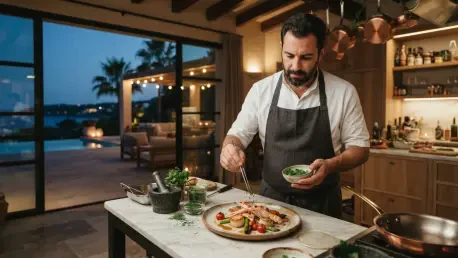
Beyond the technical execution of a recipe, the private chef acts as a catalyst for social interaction and emotional connection. In the intimate setting of a private villa, the presentation of food becomes a form of entertainment that enhances the overall celebratory mood. Guests are able to witness the preparation process, engaging with the chef and learning about the provenance of the ingredients, which adds a layer of depth to the dining experience. This interactive element is particularly valuable for milestone celebrations, such as significant birthdays or anniversaries, where the meal serves as the central focal point of the day. By removing the distractions of a commercial restaurant—such as noise, travel time, and rigid scheduling—the host is empowered to remain fully present with their guests. The result is an environment where the food acts as a bridge between individuals, fostering a sense of community and shared joy that remains long after the final course has been served and the table cleared.
Service Excellence: Operational Mastery and Culinary Education
Regional Identity: Local Sourcing and Mediterranean Flavors
The culinary identity of the region is deeply intertwined with the Mediterranean diet, and Howell’s work serves as a modern interpretation of these traditional principles. By adhering to a kilometer-zero sourcing strategy, she prioritizes ingredients that are harvested within the Canary Islands, ensuring maximum freshness and a reduced carbon footprint. This commitment to local agriculture not only supports the regional economy but also provides guests with a genuine taste of the island’s unique terroir. The volcanic soil of Lanzarote produces wines and vegetables with distinct profiles that cannot be replicated elsewhere, making the inclusion of these items a vital part of the luxury narrative. Clients frequently describe the resulting dishes as fresh and colorful, reflecting a purity of flavor that is often lost in industrial food production. This focus on high-quality, whole ingredients naturally accommodates a wide range of dietary lifestyles, from vegan to gluten-free, without compromising on the complexity or elegance of the final dish.
Operational Precision: The Logistics of Professional Catering
Operational excellence in the private sector requires a level of logistical precision that rivals the most sophisticated commercial kitchens. The process begins long before the first burner is lit, involving detailed consultations to align the menu with the technical capabilities of the client’s villa. On the day of the event, the preparation involves a choreographed series of steps that culminate in the visual and sensory theater of cooking in situ. This on-site presence allows the aromas of fresh herbs and roasting meats to fill the air, heightening the anticipation of the meal. However, the most critical phase of the service often occurs after the guests have finished eating. A comprehensive restoration of the kitchen and dining area is a standard component of the offering, encompassing the removal of all waste and the thorough cleaning of all equipment used. This end-to-end management ensures that the host is left with nothing but memories of a successful evening, completely bypassing the mundane chores of cleanup.
Mentorship Initiatives: Shaping the Future of the Profession
Recognizing a gap in the professional landscape, Howell has launched the Chef to Private Chef mentorship program to assist other culinary professionals in making the transition to the private sector. This initiative is born from the understanding that cooking for a private household requires a vastly different skill set than working in a restaurant line. Beyond culinary talent, a successful private chef must master the arts of client diplomacy, inventory management in domestic settings, and the ability to work in isolation while maintaining high standards. The program provides actionable advice on how to navigate the personal dynamics of luxury estates and yachts, where the chef often serves as a central figure in the daily lives of the residents. By sharing the insights gained over a twenty-five-year career, Howell is actively raising the bar for the entire industry in Lanzarote. This professionalization of the niche ensures that the next generation of chefs is equipped to meet the rising expectations of the global elite.
Market Validation: Proven Impact through Diverse Celebrations
The impact of this high-standard service is most visible through the diverse range of successful events executed throughout the 2026 season. From a complex twenty-five-guest event in October to a milestone fiftieth wedding anniversary in July, the versatility of the model has been proven repeatedly. These instances demonstrate the chef’s ability to maintain faultless standards regardless of group size or the emotional weight of the occasion. For example, a birthday dinner in February for a guest named Dee highlighted the sensory contrast between a fresh Mediterranean palette and standard northern European fare. Furthermore, post-wedding villa dinners, such as the one for Lisa in May, have shown that private chefs are becoming a preferred alternative to traditional banquet halls for intimate celebrations. These case studies underscore the primary product: peace of mind for the host and a memorable experience for the guests, solidifying the role of bespoke catering in the luxury travel sector.
Future Perspectives: Actionable Insights for the Industry
The evolution of private catering in Lanzarote reached a significant milestone as the industry pivoted toward more holistic and personalized service models. For those seeking to replicate this success, the primary takeaway was the importance of integrating logistical management into the culinary product itself. Professionals in the field discovered that client satisfaction was most heavily influenced by the removal of the hospitality burden, rather than just the technical execution of a menu. To maintain this momentum, future strategies focused on deepening the connection between local producers and private kitchens to further enhance the destination-specific narrative. As travel patterns continued to favor long-term villa stays, the demand for chefs who offered multi-day engagements became the standard for luxury hospitality. Looking ahead, the focus remained on refining the mentorship programs that bridge the gap between commercial and private service. These developments ensured that the high-end market remained resilient, adaptable, and deeply focused on guest presence.