
The culinary identity of San Antonio is increasingly defined by the intimate connections forged over a shared table rather than the transient allure of high-profile, destination-style dining. While the city continues to attract national attention for its ambitious new openings and celebrity chef ventures, the true resilience of the local food culture is found in the neighborhood restaurants that act as the reliable anchors of their communities. These establishments serve as vital “third places,” offering a sense of belonging that extends far beyond the menu itself. The 2026 CultureMap San Antonio Tastemaker Awards have placed a significant spotlight on this sector through the Neighborhood Restaurant of the Year category. This recognition honors the places where the staff remembers a regular diner’s favorite drink and where the atmosphere feels like an organic extension of a family living room. These finalists represent the very best of San Antonio’s diverse and deeply rooted gastronomic spirit this year, proving that community-driven hospitality remains the most enduring trend in the local market.
Historic Strongholds and Refined Favorites
The Southtown and King William districts continue to lead the way in refined yet relaxed dining, maintaining their status as the city’s premier hubs for sophisticated neighborhood fare. Bar Loretta stands out in this category by successfully balancing a high-energy bar environment with the inventive, high-level flavors of Chef Paul Petersen. It proves that a local hangout can offer top-tier cuisine without the stifling formality often associated with fine dining. Meanwhile, Bliss remains a dominant force under the guidance of Tony Hernandez, who is widely credited with proving that San Antonio’s palate was ready for global influences and complex flavor profiles. His signature dishes, such as the five-spice duck, have become local benchmarks for consistency and creativity. These establishments demonstrate how a neighborhood spot can maintain a sense of luxury while staying approachable and deeply connected to the residents who walk through their doors several times a week.
Artisanal craftsmanship is another defining characteristic of the Southtown culinary identity, with establishments like Il Forno leading the charge toward a more transparent and handmade food culture. Chef Michael Sohocki’s commitment to the fundamental elements of cooking is evident in every detail of the restaurant, from the custom-built pizza oven to the selection of meats cured on-site. This level of dedication creates a grounded, authentic experience that resonates with a local population that increasingly values the story behind their food. By focusing on the essential techniques of Italian cooking within a casual and unpretentious setting, Il Forno has become an essential fixture of the historic south side. This trend of “elevated basics” is a recurring theme among the 2026 nominees, as diners seek out quality that is rooted in skill rather than spectacle. This commitment to the craft ensures that these restaurants are not just places to eat, but are integral parts of the neighborhood’s social and physical architecture.
Italian Excellence and Hidden Gems
Italian cuisine serves as a primary cornerstone of San Antonio’s neighborhood dining scene, though it is represented by vastly different styles across the city’s geographic boundaries. Barbaro, located in the historic Monte Vista neighborhood, has successfully transitioned from a pizza-centric spot into a versatile community hub. It seamlessly shifts from a bustling happy hour destination into a late-night retreat, all within a space decorated with flea market art that feels both eclectic and comfortable. On the Northeast side, Pazzo Pastaria offers a contrasting take on the genre by winning over locals with a homey, unpolished aesthetic that prioritizes the quality of fresh pasta over modern design trends. These “sleeper” hits prove that a restaurant does not require an industrial-modern renovation to become a beloved local institution. Instead, they rely on the strength of their kitchen and the warmth of their service to build a loyal following that transcends the need for flashy marketing.
In the Medical Center area, Mare e Monte provides a traditional sanctuary for those seeking generous portions and a genuine sense of gratitude from the staff. The restaurant is defined by its abundance-focused service, where classic dishes like lasagna and calamari are served in an environment that emphasizes comfort and personal connection. Owner Prince Blakaj has cultivated an atmosphere of hospitality that makes every guest feel like a priority, reinforcing the idea of the restaurant as a place of refuge. This variety of Italian dining options across San Antonio showcases how different neighborhoods interpret the concept of comfort food. Whether through the artisanal rigor of a pizzeria or the welcoming, traditional atmosphere of a family-run trattoria, these establishments are vital to the local social fabric. They provide a consistent and reliable experience for residents who view these dining rooms as essential components of their daily lives, further cementing the city’s reputation for diverse and inclusive food offerings.
Technical Mastery and Global Flavors
Several of the 2026 nominees have earned their distinction through specific culinary mastery and the introduction of unique, niche offerings that were previously unavailable in their respective neighborhoods. Outlaw Kitchens in Alta Vista functions as a weekly showcase of studied technique, providing a rotating menu that feels more like an intimate private dinner party than a commercial venture. This approach allows the kitchen to experiment with sophisticated ingredients while maintaining a setting that is inherently personal. Meanwhile, Momo House on the Northwest Side has redefined the neighborhood staple by specializing in Nepalese dumplings. Despite the lack of traditional indoor seating, its high-quality, steam-fresh momos have turned the parking lot into a community gathering point. This success highlights a growing trend where specialized, technique-driven kitchens become essential parts of the local routine, proving that excellence is not limited by a restaurant’s physical format or its geographic distance from the city center.
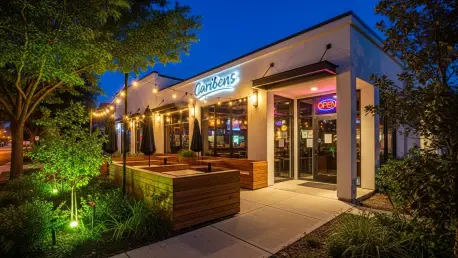
The integration of global spice profiles into the neighborhood dining scene is further exemplified by the continued success of The Jerk Shack. Led by Nicola Blaque, this establishment has evolved from a buzzy newcomer into a settled pillar of the community, known for its smoky and spice-forward Caribbean fare. While the restaurant has garnered significant national acclaim, it remains deeply rooted in its local neighborhood, serving as a source of pride for the surrounding residents. This balance between external recognition and local loyalty is a hallmark of a truly great neighborhood restaurant. These establishments highlight a shifting dynamic in San Antonio, where the “neighborhood” spot is no longer just a place for simple fare, but a destination for world-class technical skill and global flavors. By bringing these diverse culinary traditions into residential areas, these restaurants are expanding the city’s gastronomic horizons while maintaining the close-knit feel that defines the San Antonio experience for both locals and visitors alike.
Legacy Establishments and the Soul of the City
The list of top neighborhood restaurants for 2026 is rounded out by several legacy establishments that feel as though they have always been part of the city’s foundational fabric. Cappy’s remains the gold standard for neighborhood fine dining, built on a multi-generational commitment to quality by the Lawton family. It offers a level of consistency that transcends passing trends, making it a reliable choice for both special occasions and casual weeknight dinners. Similarly, The Hut Diner in the Deco District has quickly become a soulful crossroads for classic diner fare. Despite being a relatively young establishment, it provides a sense of nostalgia and community that feels decades old. These restaurants serve as the social glue for their districts, offering a familiar environment where different generations of San Antonians can gather and share a meal. Their presence ensures that even as the city grows and modernizes, its historical character and commitment to traditional hospitality remain fully intact.
The cultural weight of the taco in San Antonio’s neighborhood identity was perfectly illustrated by the inclusion of Con Huevos Tacos in Dignowity Hill. This establishment served as a reminder that a neighborhood’s reputation was often forged through the quality of its handmade tortillas and the secret recipes of its signature sauces. Throughout 2026, the restaurant maintained a local obsession that successfully transcended geographic boundaries, drawing people from all over the city to a small, community-focused space. This reflected a broader movement toward inclusive, relationship-driven dining that prioritized the authentic flavors of the region over corporate polish. As the awards season concluded, these twelve nominees stood as a testament to the enduring importance of the local kitchen in an ever-expanding metropolis. The focus shifted toward sustainable growth and the continued support of independent operators who treated their customers as neighbors rather than mere consumers. This strategy ensured that the city’s culinary future remained as vibrant and community-oriented as its celebrated past.