
A significant portion of the diner’s reputation rests on its value-to-portion ratio, often providing enough food to necessitate leftovers after a single sitting. This culinary landmark, situated along the energetic stretch of Cottage Hill Road, serves as a physical bridge between the contemporary landscape of Mobile, Alabama, and the evocative charm of a mid-century eatery. In an era where many dining establishments have pivoted toward minimalist aesthetics and streamlined digital ordering, this local staple remains steadfast in its dedication to the 1950s diner model. The atmosphere is meticulously curated, featuring a vibrant 1960s soundtrack that underscores the clatter of heavy porcelain plates and the low hum of community conversation. It is not merely a place to consume calories but a cultural anchor that prioritizes the “meat-and-three” tradition, where the quality of the meal is matched by the nostalgic weight of the surroundings, making it a destination for travelers and local residents alike.
The Heart of the Southern Menu
Iconic Meat-and-Three Staples
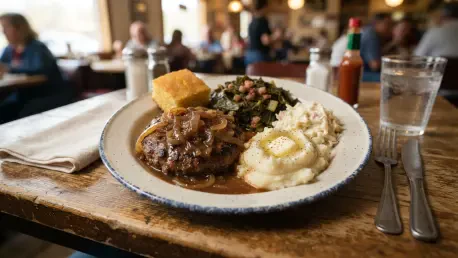
The Blue Plate Special serves as the operational heart of the menu, providing a structured yet customizable dining experience that honors Southern culinary history. This format allows patrons to select a primary protein, which is then accompanied by a variety of side dishes that rotate based on availability and tradition. The hamburger steak frequently emerges as a top recommendation, particularly when it is ordered with a generous topping of sautéed onions and savory mushrooms. This dish is often cited for its ability to deliver consistent satisfaction, offering a rich flavor profile that avoids the common pitfalls of mass-produced comfort food. While the chopped steak and fried fish serve as reliable alternatives for those seeking variety, the hamburger steak remains the gold standard for many regulars. The kitchen staff demonstrates a commitment to traditional preparation methods, ensuring that each plate arrives at the table with the heat and presentation expected of a home-cooked meal.
While the selection of meat provides the foundation, the true character of the meal is often defined by the accompanying sides, colloquially referred to as “vegetables.” Within this category, the turnip greens and cornbread dressing have achieved a level of local acclaim that rivals the best domestic kitchens in Alabama. These items are frequently described as possessing a depth of seasoning that evokes a sense of culinary nostalgia, reminding diners of family gatherings and traditional holiday feasts. However, achieving absolute consistency across the entire menu remains a challenge, as evidenced by varying opinions on the macaroni and cheese and the rice with gravy. While these sides are generally well-received, they sometimes lack the standout intensity found in the greens or the savory complexity of the dressing. Nevertheless, options like fried okra, field peas, and green beans provide a reliable and substantial accompaniment that ensures no guest leaves the table feeling unsatisfied.
Regional Seafood and Starters
The proximity of Mobile to the Gulf of Mexico significantly influences the menu, allowing the establishment to incorporate regional seafood favorites into its classic diner framework. The seafood gumbo stands as the primary example of this successful integration, characterized by a robust broth and a balanced blend of ingredients that have remained remarkably consistent over several years. Many guests consider the gumbo to be an essential component of their visit, often ordering it as a precursor to the main course or as a standalone meal. This dish captures the essence of coastal Alabama cooking, providing a savory depth that differentiates the diner from similar establishments located further inland. By maintaining high standards for its seafood offerings, the kitchen ensures that the regional identity of the city is well-represented alongside more traditional inland staples. This commitment to local flavors helps maintain a diverse menu that appeals to seafood enthusiasts and meat-lovers alike.
To initiate the dining experience, many patrons gravitate toward the selection of appetizers, with fried green tomatoes serving as the definitive Southern choice. These tomatoes are prepared with a crispy coating that provides a sharp contrast to the tender, tangy fruit inside, often served alongside a dipping sauce that complements their natural acidity. When paired with the oversized, golden-brown onion rings, these starters create a substantial introduction to the meal that can easily be shared among a group. While the menu occasionally introduces seasonal items such as crab claws, the mainstays like grilled shrimp and fried fish provide a dependable baseline for those visiting in 2026. These seafood options are prepared with a focus on simplicity and freshness, avoiding overly complex preparations in favor of techniques that highlight the natural quality of the ingredients. This approach ensures that the appetizers and seafood dishes remain accessible while still offering a distinct taste of the region.
The Full Retro Experience: Ambiance and Operations
Shakes and Sweet Finishes
The milkshake program represents a cornerstone of the diner’s retro appeal, utilizing an “old-fashioned” delivery system that has largely vanished from the modern culinary landscape. When a guest orders a shake, the server presents a tall, chilled glass filled with the dessert, accompanied by the original stainless steel mixing cup containing any excess portion. This ritual provides a sense of abundance and authenticity, allowing the diner to enjoy every drop of the thick, hand-blended treat. Chocolate and vanilla malts are the most popular selections, prized for their smooth texture and traditional flavor profiles that transport the palate back to the mid-twentieth century. This presentation style is not merely a gimmick; it is a deliberate effort to preserve a specific type of hospitality that prioritizes the guest’s experience over operational shortcuts. The result is a dessert service that feels both generous and nostalgic, serving as a powerful draw for families and individuals seeking a genuine 1950s treat.
For those who prefer a more traditional end to their Southern meal, the dessert menu offers options that are as substantial as the main courses. The banana split remains a visual and culinary icon at the establishment, featuring multiple scoops of ice cream, toppings, and fruit served in a classic long dish. It is a dessert designed for sharing, though some ambitious diners tackle it solo as a final indulgence. Alternatively, the warm peach cobbler provides a comforting conclusion, offering a blend of sweet fruit and a buttery crust that mirrors the quality of the savory cornbread dressing found on the main menu. These desserts are crafted to be hearty and unapologetically sweet, ensuring that the meal ends on a high note of indulgence. By offering a range of classic options from cold shakes to warm baked goods, the diner caters to a wide spectrum of preferences while maintaining its commitment to the substantial portion sizes that have come to define its local reputation.
Community Connection and Strategic Planning
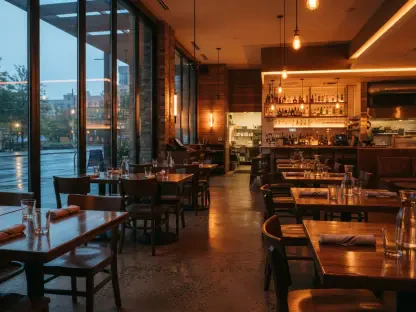
The physical environment of the diner was thoughtfully arranged to accommodate a diverse cross-section of the Mobile community, from solo workers to large family gatherings. Counter seating offered a space for individuals to enjoy a quick meal while observing the busy kitchen staff, while the vinyl booths and central tables provided a more communal experience for groups. A particularly moving element of the decor was the wall dedicated to military veteran caps, representing all branches of the armed forces. This installation served as a profound connection to the local community, honoring the service of patrons and their families while sparking meaningful conversations between strangers. This tribute reinforced the idea that the diner was more than just a business; it was a shared space that valued the history and contributions of its neighbors. By integrating these personal touches into the mid-century design, the establishment created a welcoming atmosphere that felt both patriotic and deeply rooted in local culture.
The establishment established a firm presence in Mobile by adhering to a schedule that prioritized consistency, operating from Monday through Saturday while remaining closed on Sundays. In the recent months of 2026, the management reinforced the importance of the host-led seating system to improve the turnover rate during the bustling Saturday shifts. Visitors who prioritized arriving exactly at the 10:45 AM opening time found that they could bypass the parking challenges altogether while receiving the freshest selections from the daily vegetable list. For those looking to replicate this experience, the most effective strategy involved reviewing the daily specials online prior to arrival to streamline the ordering process. The diner successfully proved that a focus on traditional portions and nostalgic service could withstand the pressure of modern dining trends. It provided a clear roadmap for how independent restaurants could thrive by honoring regional heritage and maintaining a direct, personal connection with the local community.