
Starting at $459 per night, the new hotel seeks to blend modernist preservation with elite dining to attract high-end travelers and convention attendees. This strategic expansion marks the brand’s triumphant return to the Crescent City after a twenty-year absence, signaling a bold new chapter for both the company and the local hospitality sector. The project transforms the historic former Bank of New Orleans building into a sanctuary of high-end luxury that diverges from the saturated traditionalism often found in the French Quarter. By choosing a 1970 modernist landmark, the developer has intentionally stepped away from the expected wrought-iron balconies and gingerbread trim, opting instead for a sleek, mid-century aesthetic that resonates with modern corporate and leisure sensibilities. This opening is not just a commercial entry but a significant global milestone, representing the 100th property in the portfolio, reinforcing the company’s prestige on a global scale.
Architectural Heritage and Design Philosophy
Revitalizing a Mid-Century Icon: The SOM Legacy
The building itself stands as a testament to the architectural vision of the renowned firm Skidmore, Owings & Merrill, originally serving as a financial hub during the 1970s. Rather than stripping away the distinct mid-century character, the renovation project led by Kailas Companies emphasizes the clean lines and geometric integrity of the structure. This preservation effort serves as a counter-narrative to the city’s historical preservation, which typically focuses on colonial or Victorian eras. By rehabilitating this modernist icon, the developers have successfully integrated the tower into the skyline as a functional piece of art that bridges the gap between mid-20th-century innovation and contemporary hospitality needs. The result is a structure that feels grounded in its historical context while providing the elevated technological and structural requirements expected of a premier hotel, offering a unique visual profile in the Central Business District.
Inside the property, the Rockwell Group has masterfully balanced the cold steel of the skyscraper with warm, organic elements that pay homage to the local environment. One of the most striking features is the extensive use of cypress ceilings and intricate bronze paneling, which honor the original materials of the building while introducing a sense of timeless elegance. The interior color palette is intentionally saturated, drawing inspiration from the lush, humid landscapes of Southern Louisiana and the vibrant delta environment. This design strategy ensures that the guest experience is deeply rooted in the locale without relying on clichés. Art installations from local creators further enhance the lobby and common areas, providing a tactile connection to the city’s creative pulse. These elements combine to create a sophisticated atmosphere where corporate professionals and international tourists can enjoy a sense of place that is both authentic and modern.
Sophisticated Amenities: The Fairmont Gold Standard
The operational strategy for the hotel involves a carefully executed phased launch to ensure that every aspect of the guest experience meets the brand’s rigorous standards. While the primary guest rooms are currently welcoming visitors, the highly anticipated Fairmont Gold experience is slated for completion by December. Situated on the 29th and 30th floors, this “hotel within a hotel” concept provides a specialized level of service designed for the most discerning travelers. Guests staying in these premier quarters gain access to a private lounge and a dedicated concierge team, offering a level of intimacy and exclusivity that is rare in large-scale urban hotels. This model is particularly attractive to executive travelers who require privacy and seamless service during high-stakes business trips. By positioning these elite accommodations at the top of the tower, the property leverages its height to offer panoramic views of the Mississippi River.
Beyond the guest rooms, the second phase of the opening will introduce a sprawling 10,000-square-foot spa and fitness center, positioning the hotel as a wellness destination within the heart of the city. This facility is designed to provide comprehensive treatments that cater to both the physical and mental well-being of its patrons. Complementing the indoor amenities is the rooftop pool deck, which will feature the Bleu Perdu dining venue. This elevated space provides an outdoor oasis that is expected to become a social hub for the Central Business District, offering a curated menu of light fare and artisanal beverages. The integration of high-end wellness facilities with sophisticated social spaces reflects a broader trend in luxury hospitality where guests seek holistic experiences. For the local community and hotel residents alike, these amenities offer a refined escape from the humid climate and bustling streets below, reinforcing the property’s status as an enclave.
Culinary Innovation and Strategic Market Positioning
Epicenter for Gastronomy: The Emeril Lagasse Partnership
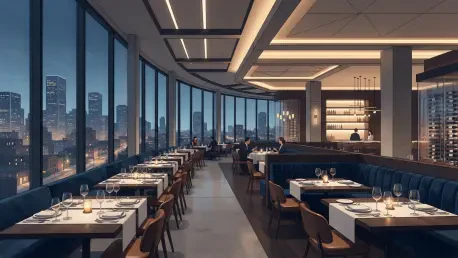
A significant portion of the hotel’s allure stems from its collaboration with legendary Chef Emeril Lagasse, who has chosen this property to host the first Delmonico Steakhouse outside of Las Vegas. This partnership brings a legendary culinary name back to a grand hotel setting, offering a menu that emphasizes dry-aged beef and meticulous tableside preparations. The restaurant’s presence serves as a major draw for food enthusiasts who associate the Lagasse name with the pinnacle of regional cuisine. By modernizing the steakhouse concept while maintaining classic service standards, the venue appeals to both traditionalists and a younger generation of diners. The atmosphere within the dining room is designed to match the high-end nature of the menu, featuring plush seating and sophisticated lighting that enhances the overall sensory experience. This anchor restaurant is more than just a hotel amenity; it is a standalone destination that strengthens the city’s reputation for fine dining.
In addition to the flagship steakhouse, The Café by Emeril offers a more casual yet equally refined dining experience that blends the traditions of a French brasserie with Creole influences. This venue focuses on breakfast and lunch, providing a bright and energetic space for business meetings or relaxed morning gatherings. The culinary diversity of the property is further expanded by the upcoming debut of Third Measure, a late-night cocktail bar developed by expert Neal Bodenheimer. Known for his work at the award-winning Cure, Bodenheimer brings a sophisticated approach to mixology that aligns with the hotel’s upscale branding. Set to open in December, Third Measure is designed to capture the nocturnal energy of the city, offering a menu of inventive drinks in a sleek, moody environment. These varied food and beverage outlets ensure that the hotel remains a vibrant center of activity throughout the day and night, catering to different moods and occasions for a diverse clientele.
Professional Events: Empowering Commerce and Tourism
Strategic positioning within the Central Business District allows the hotel to serve as a primary hub for corporate events and major industry conventions. With over 19,000 square feet of versatile meeting space, the property is equipped to handle everything from intimate board meetings to large-scale conferences. The facility includes two grand ballrooms and multiple breakout rooms capable of hosting up to 500 guests simultaneously. Its proximity to the Caesars Superdome and the Warehouse District makes it an ideal base for attendees of major sporting events and cultural festivals. The integration of state-of-the-art audiovisual technology ensures that event planners have the tools necessary to execute complex presentations in a professional setting. By offering such expansive and technically advanced facilities, the hotel addresses a critical need for high-capacity luxury event space in the downtown area. This capability is expected to drive significant revenue from the group travel sector.
The successful launch of the centennial property demonstrated that revitalizing historic modernist architecture could redefine a city’s hospitality standards. Stakeholders in the luxury travel sector observed how the integration of local culinary legends and specialized services like Fairmont Gold created a competitive advantage in a dense market. Moving forward, developers and investors focused on phased openings to maintain high service quality while scaling up complex amenities like expansive spas and rooftop venues. The emphasis on mid-century preservation suggested that urban centers possess untapped potential in buildings often overlooked by traditionalists. To remain relevant in an evolving market, hospitality leaders prioritized partnerships with local cultural influencers and invested in multifunctional spaces that catered to both leisure and high-level corporate needs. This project proved that a blend of heritage and modern innovation could attract high-end traffic while honoring the specific architectural legacy of a major metropolitan hub.