
Driving down East Washington Street in Stephenville, Texas, one might easily overlook the modest brick exterior that houses one of the state’s most significant culinary institutions, yet for those who know the landscape, Jake & Dorothy’s Cafe is an essential waypoint. Since its establishment in 1948, this family-run enterprise has functioned as much more than a mere provider of sustenance; it has evolved into a living repository of post-war American dining culture. In an era where the average restaurant lifespan is measured in single digits, this establishment’s ability to thrive for over 75 years highlights a rare intersection of operational excellence and deep-seated community trust. The cafe offers a tangible connection to a period of Texas history that preceded the homogenization of the modern interstate food scene, serving as a sanctuary for those who value authenticity over the polished veneer of national franchises. Its survival into the current year of 2026 demonstrates that the “mom-and-pop” model is not a relic of the past but a viable, beloved standard when executed with unwavering commitment to quality and heritage.
The narrative of the cafe is inextricably linked to the concept of generational continuity, a phenomenon that is increasingly rare in the fast-paced, transient environments of modern urban centers. It is a common occurrence to witness three or even four generations of a single family seated in the same high-backed booths, where elders recount stories of their own childhood visits while introducing the youngest members to the menu’s timeless offerings. This cycle of patronage has transformed the cafe into a communal anchor, providing a reliable sense of stability and belonging for the citizens of Stephenville and the surrounding rural counties. By resisting the urge to modernize for the sake of current trends, the management has cultivated a powerful psychological brand rooted in nostalgia and reliability. This loyalty transcends local boundaries, as the establishment has become a “bucket list” destination for international travelers and domestic road-trippers who seek out the cafe specifically to experience a genuine slice of Lone Star State tradition that remains uncompromised by corporate influence.
Iconic Flavors and Culinary Traditions
Legendary Sweets and Savory Mainstays
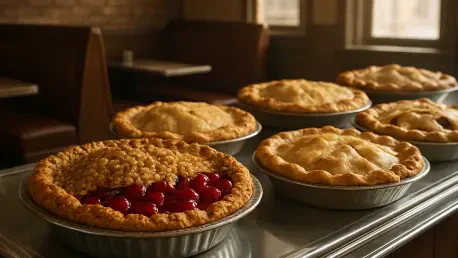
The reputation of Jake & Dorothy’s Cafe is built upon a foundation of scratch-made products that stand in stark defiance of the industry-wide shift toward pre-packaged and frozen food solutions. Central to this culinary identity are the homemade pies, which are crafted with techniques that have remained largely unchanged since the mid-20th century. The “Cherry Jubilee” pie, in particular, has attained a status that borders on the mythic within Texas food circles. What distinguishes this specific dessert is its unconventional crushed crust and the strategic incorporation of nuts, which creates a complex textural profile that contrasts sharply with the often-cloying sweetness of standard fruit pies. This artisanal approach ensures that every slice serves as a testament to the skill of the baker rather than the efficiency of a factory assembly line. The cafe’s refusal to outsource its dessert program is a primary driver of its success, as it provides a unique product that cannot be replicated by competitors relying on industrial distribution networks.
Beyond the technical execution of the recipes, the cafe utilizes its historical architecture to create a compelling visual narrative that begins the moment a patron enters the building. The traditional soda fountain bar is used as a prominent display area for the day’s pies, serving as a sensory invitation that immediately communicates the establishment’s focus on handmade quality. This presentation style harkens back to an era when the visual appeal of fresh-baked goods was the primary form of marketing, and it remains highly effective in 2026. Other offerings, such as the rich and creamy peanut butter pie, benefit from this transparent display of craftsmanship, reinforcing the “homemade” brand identity. By placing the artisanal process front and center, the cafe establishes a level of trust with the diner that is rarely achieved in modern restaurants. This transparency, combined with the consistent flavor profiles of their signature sweets, ensures that the dessert course remains a mandatory highlight of the dining experience for both first-time visitors and long-time regulars.
The Art of the Texas Staple
While the sweets provide the aesthetic charm, the chicken fried steak remains the undisputed savory soul of the menu, representing the pinnacle of Southern comfort cooking. Unlike the majority of diners that utilize mechanized tenderizers on lower-quality cuts of beef, Jake & Dorothy’s maintains a strict policy of using fresh ribeye that is hand-cut on the premises daily. This choice of a premium, well-marbled cut of beef fundamentally alters the dining experience, resulting in a steak that is tender enough to be cut with a fork while retaining the robust flavor profile associated with high-end steaks. The preparation process involves a meticulous hand-battering technique followed by frying at precise temperatures to ensure a thick, golden-brown crust. This crust is engineered to remain crisp and attached to the meat, avoiding the common pitfall of a soggy or detached breading that plagues lesser versions of this Texas staple. This dedication to quality control ensures that the flagship dish consistently lives up to its reputation as one of the finest examples of the craft in the state.
The experience of the chicken fried steak is further elevated by the inclusion of a rich, cream-based gravy that acts as the perfect structural and flavor-balanced accompaniment. The kitchen staff manages the delicate balance of seasoning to ensure the gravy complements the savory notes of the ribeye without overpowering the natural taste of the meat. Recognizing that diners have varying capacities and dietary goals, the cafe offers the dish in multiple sizes, ranging from small to extra-large. This flexibility is a strategic operational choice that increases accessibility, allowing a wider demographic of customers to engage with the signature dish without feeling overwhelmed by the traditional, massive Texas portions. By treating the chicken fried steak as a premium entree rather than a cheap diner staple, the establishment has elevated the dish to an art form. This commitment to using superior ingredients and traditional labor-intensive methods serves as the primary reason why the cafe continues to dominate local and regional discussions regarding the best comfort food in North Central Texas.
The Authentic Diner Environment
Traditional Sides and Time-Capsule Aesthetics
The pursuit of culinary excellence at Jake & Dorothy’s extends beyond the main courses and into the realm of side dishes, where the labor-intensive philosophy is perhaps most evident in the production of their waffle fries. In the current landscape of 2026, the vast majority of eateries have long since transitioned to frozen, pre-cut potato products to minimize labor costs and ensure uniformity. However, this cafe continues the demanding tradition of cutting its fries fresh from whole potatoes every day. This commitment results in a superior product characterized by a natural potato flavor and a unique textural contrast—specifically a crisp, structured exterior and a soft, fluffy interior—that frozen alternatives simply cannot mimic. While the hand-cut nature of the fries occasionally results in minor variations in color or crispness, the overarching sentiment among the clientele is one of deep respect for the effort involved. This refusal to take the “easy way out” in the kitchen serves as a clear signal to the customer that the establishment prioritizes quality over convenience.
Complementing the food is a physical environment that functions as a functional time capsule, offering an atmosphere that is impossible to synthesize in a new build. The interior of the cafe has avoided the traps of “retro-theming” by simply existing through the decades; the weathered wood of the soda fountain bar and the subtle grooves worn into the counters are authentic marks of nearly eighty years of human interaction. To the loyal patron, these are not signs of age to be repaired, but rather badges of honor that confirm the establishment’s longevity and historical significance. The “no-frills” service model, which includes the unapologetic use of canned sodas and the preservation of original architectural layouts, provides a psychological escape from the increasingly digitized and sterilized environments of modern life. This environment fosters a unique social dynamic where the physical surroundings encourage conversation and a slower pace of life, making the cafe a vital cultural resource for a society looking to reconnect with its heritage.
Hospitality as a Cultural Foundation
A critical component of the landmark’s enduring success is its adherence to the principles of Southern hospitality, which is treated as a fundamental business metric rather than a vague marketing slogan. Many members of the service staff have tenures that span decades, allowing them to form personal bonds with the community that go far beyond the typical server-customer relationship. These individuals often serve as unofficial historians of the cafe, regaling newcomers with anecdotes about the founders and the evolution of the menu, which effectively turns every meal into an educational and social event. This human-centric approach to service creates an environment of warmth and familiarity that modern, efficiency-driven systems often fail to provide. By prioritizing the personal touch, the cafe ensures that every visitor feels like a guest in a private home rather than a transaction in a database. This high level of emotional engagement is a primary reason why customers remain loyal even when modern, more “convenient” dining options are available nearby.
Furthermore, the management of Jake & Dorothy’s has demonstrated a rare level of transparency and accountability that reinforces its status as a family-oriented pillar of the community. In the rare instances where service or food quality may falter—an inevitability in any long-running business—the ownership has been known to address these issues with a level of sincerity and public directness that is refreshing in the age of corporate PR. Whether it is a personal apology for an overcooked side or a direct conversation with a dissatisfied patron, this willingness to take responsibility humanizes the business and builds immense social capital. This approach to conflict resolution ensures that minor setbacks do not tarnish the long-term reputation of the cafe; instead, they serve as opportunities to demonstrate the integrity of the operation. By combining a historic aesthetic with a proactive and honest management style, the cafe has created a robust brand identity that is both nostalgic and modern in its ethical standards, securing its place in the hearts of Texans for years to come.
Operational Success and Local Accessibility
Versatile Offerings and Unbeatable Value
Despite its fame for specific dishes like chicken fried steak and cherry pie, the operational success of the cafe is also rooted in its impressive versatility as a multi-functional dining space. Catering to the specific needs of a rural and collegiate community, the cafe opens its doors as early as 5:30 AM, serving as a vital morning hub for local laborers, farmers, and students. The breakfast menu is designed with the same commitment to hearty, scratch-made quality found in the lunch and dinner offerings, featuring western omelets and custom-prepared eggs that fuel the local workforce. For diners who may not be in the mood for the signature steak, the menu provides high-quality alternatives like the patty melt, which utilizes fresh ground beef and caramelized onions on perfectly toasted bread. The inclusion of fried catfish and premium sirloin or ribeye cuts ensures that the establishment can function effectively as a casual breakfast spot, a quick lunch destination, or a more formal dinner venue, maximizing its market reach throughout the day.
This versatility is matched by an unwavering commitment to affordability, which is a significant competitive advantage in an era where dining out has become increasingly expensive for the average family. The cafe’s pricing strategy focuses on providing high “bang for the buck,” with lunch specials that combine substantial portions of meat and traditional Southern sides like butter beans or collard greens at price points that remain accessible to the general public. These generous portions frequently lead to leftovers, which many patrons view as an added value, effectively securing two meals for the price of one. While the cafe remains firmly rooted in its 1948 traditions, it has made sensible technological updates where they benefit the customer, such as the implementation of modern payment processing systems that accept most major credit cards. This balance of old-school charm and modern convenience ensures that the cafe remains accessible to younger generations who may not carry cash, without alienating the older regulars who appreciate the vintage vibe.
Future Perspectives and Sustainable Traditions
As the culinary landscape continues to evolve, the enduring legacy of Jake & Dorothy’s Cafe serves as a blueprint for the preservation of regional food cultures in the face of global homogenization. The next logical step for the establishment involves balancing the expansion of its heritage branding with the continued maintenance of the physical site to ensure it can host another 75 years of patrons. This includes selective restoration projects that prioritize structural integrity without erasing the “worn-in” charm that defines the space. Additionally, there is a significant opportunity to document and archive the oral histories of the long-term staff and regulars, creating a digital or physical record that preserves the cafe’s story for future historians of Texas culture. By treating the cafe as a living museum, the management can ensure that its educational and cultural value continues to grow alongside its culinary reputation, attracting a new generation of heritage-focused tourists.
In summary, the continued success of the establishment into the late 2020s highlights a growing consumer preference for authenticity and human-centric service over standardized corporate models. Moving forward, other independent restaurateurs should look to the cafe’s model of “quality through labor”—specifically the hand-cutting of fries and steaks—as a primary method for differentiating themselves in a crowded market. The cafe demonstrates that a focus on a few “destination dishes,” combined with a deep integration into the local community and a fair pricing model, creates a resilient business that can weather any economic climate. For those traveling through Central Texas, the cafe remains more than just a place to eat; it is an essential cultural experience that provides a sense of continuity in a rapidly changing world. By maintaining its 1948 soul while making subtle adjustments for the modern diner, Jake & Dorothy’s Cafe proved that tradition, when handled with care and honesty, is the ultimate competitive advantage.