
Travelers often overlook the nuances of personal safety when checking into a standard hotel room, assuming that professional staff and electronic key systems provide a sufficient shield against external threats. However, professional flight crews, who spend hundreds of nights a year in varying global environments, recognize that security begins at the threshold and requires a standardized, systematic approach to ensure personal peace of mind. By establishing a rigid protocol that covers both physical and technological vulnerabilities, these experienced travelers mitigate risks that the casual visitor might never consider until an incident occurs. This routine is not born from paranoia but rather from a pragmatic understanding of how easily modern security measures can be bypassed or compromised in high-traffic settings. Developing this situational awareness involves a multi-step verification process that starts the moment the key card touches the reader and continues until the room is fully secured.
1. Conducting a Thorough Physical Inspection
The first stage of a professional security routine involves a physical sweep of the premises before settling in or unpacking any personal belongings. Upon entering the room, it is common practice for experienced individuals to keep the door slightly propped open with a heavy suitcase while they perform a visual inspection of all concealed spaces. This ensures a quick exit path remains available should an unauthorized person be found inside the room or if a dangerous situation is immediately apparent. One must systematically check the interior of closets, the area behind the shower curtains, and even under the bed to confirm the space is truly vacant. This initial sweep extends beyond looking for intruders to also identifying potential safety hazards like broken window locks. By verifying the physical integrity of the room immediately upon arrival, travelers can identify issues that warrant a room change before they have fully committed to the space for the duration of their stay.
Once the primary physical checks are complete, attention shifts to more subtle vulnerabilities that often hide in plain sight within the modern hotel environment. Electronic devices, such as alarm clocks, smoke detectors, and television sets, are scrutinized for any signs of tampering or unusual placements that might suggest the presence of hidden surveillance equipment. A simple yet effective technique involves using a smartphone camera or a high-powered flashlight to detect reflections from camera lenses hidden behind glass surfaces or within small apertures. Furthermore, the integrity of mirrors is verified by performing a simple fingernail test to determine if they are standard one-way mirrors or two-way surfaces that could allow observation from an adjacent room. Checking the connectivity of provided devices and ensuring that smart hubs or voice-activated assistants are disconnected further enhances guest privacy. These technical observations are essential in 2026 as digital privacy becomes critical.
2. Implementing Physical Barriers and Future Safety Protocols
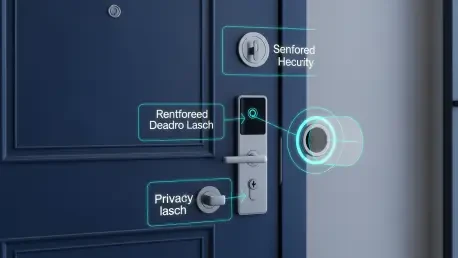
Securing the door represents the most vital barrier between the traveler and the public hallway, necessitating a layered approach that goes beyond the standard electronic lock. While the primary deadbolt provides the first line of defense, it is often supplemented by secondary hardware such as swing latches or sliding chains that should be engaged immediately upon entering and staying in the room. Professional security protocols suggest that these built-in features should never be the sole reliance for safety, as hotel staff often possess master keys or bypass tools that can override standard locking mechanisms. To counter this, many frequent travelers utilize a portable door wedge or a localized alarm system that triggers if the door is moved even slightly while they are asleep. This physical reinforcement creates a significant obstacle for anyone attempting to enter, providing valuable time for the occupant to react. The consistent use of these secondary barriers transforms a standard commercial room into a fortified space.
The final steps involved managing the door’s peephole, which was occasionally manipulated by external devices to peer into the room from the hallway. Placing a small piece of opaque tape or a dedicated peephole cover over the lens ensured that no visual access was granted to passersby or potential intruders. Additionally, the management of window treatments played a significant role in external security, particularly in urban environments. Ensuring that curtains were fully closed prevented light leaks that could signal to outsiders whether the room was occupied. Moving forward, the development of localized security apps that integrated with room sensors provided guests with real-time alerts regarding unauthorized entry. It was also suggested that the hospitality industry prioritize the installation of high-security hardware that remained resistant to common bypass techniques. Ultimately, the responsibility for safety rested on a combination of hotel standards and proactive habits that successfully minimized exposure.