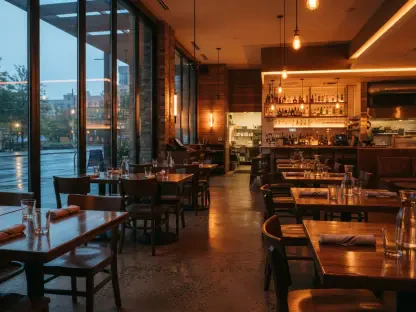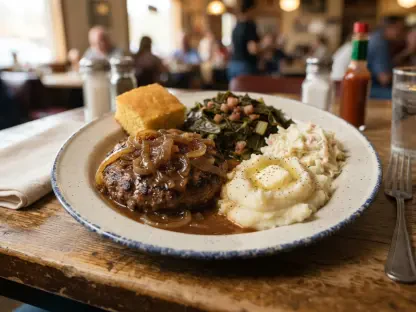

The intense pressure of a morning coffee rush requires a blend of mental fortitude and tactical prioritization that reshapes an individual’s professional identity far beyond simple food service. This sector, often viewed as a mere temporary stop for students or transitional workers, actually functions as a sophisticated laboratory for high-level professional development. In the dynamic environment of a bustling café or a high-end restaurant in cities like Abu Dhabi, the physical act of delivering service is only the visible surface of a much deeper cognitive process. Professionals like Seyyed Tareq and Catherine Cequeña, with their extensive backgrounds in the region, illustrate that the industry demands a constant synthesis of social intelligence, logistical precision, and operational speed. Rather than just a job, this field serves as a comprehensive training ground where workers acquire life skills that are universally applicable across the global economy. By navigating the intricate demands of customer expectations and team dynamics, these individuals build a foundation that supports long-term career growth in any competitive field. This evolution turns hospitality from a temporary role into a career that prepares individuals for the modern professional landscape.
Interpersonal Dynamics: The Art of High-Stakes Communication
Refining interpersonal communication within a service-oriented environment involves more than just polite speech; it requires a profound mastery of non-verbal cues and emotional regulation. Hospitality professionals must develop a high degree of emotional intelligence to navigate the myriad personalities they encounter daily, adjusting their tone and approach to suit the mood of each customer. This adaptability is critical when managing the friction that often arises during busy periods. When a staff member successfully de-escalates a tense situation through active listening and empathy, they demonstrate a skill set that is highly prized in corporate negotiation and client management. This constant exercise in social calibration ensures that professional objectives are met while maintaining a positive brand image. Ultimately, the ability to remain calm and articulate under fire becomes a permanent part of the professional toolkit, allowing individuals to handle complex human interactions with confidence and grace. This skill is foundational for those moving into management roles where clear communication is the primary driver of organizational success and team harmony.
Effective operation within the hospitality industry relies heavily on a seamless flow of information between various internal and external stakeholders. A manager or supervisor must coordinate effectively with front-of-house staff, kitchen teams, and external suppliers to ensure that the guest experience remains consistent and high-quality. This multi-layered communication structure mirrors the complex hierarchies found in major global corporations, where clarity and timing are essential for success. When communication is treated as the operational backbone, it prevents the logistical bottlenecks that can cripple a business during peak hours. Professionals learn to distill complex instructions into actionable steps, ensuring that everyone from the dishwasher to the head chef is aligned with the same goals. This experience in organizational coordination prepares individuals for leadership roles where they must manage diverse teams and reconcile competing priorities in a fast-paced environment. By mastering these interactions, hospitality workers develop a unique ability to bridge gaps between different departments, making them invaluable assets in any large-scale business operation.
Operational Mastery: Building Resilience Under Pressure
Maintaining composure during the chaotic surges of a busy shift is perhaps the most visible indicator of a seasoned professional. These high-pressure moments require a blend of mental toughness and the tactical ability to prioritize tasks instantly. For those in leadership positions, such as store supervisors or operations managers, the ability to remain an emotional anchor for the team is vital. If a leader displays anxiety, the stress quickly permeates the entire staff, leading to errors and decreased morale. Conversely, a supervisor who stays focused and composed provides a sense of psychological security, allowing the team to function at peak efficiency. This capacity for emotional regulation in high-stakes environments is a rare asset that translates directly to high-pressure corporate roles. It teaches individuals that their internal state has a direct impact on their team’s output, fostering a sense of responsibility and self-awareness that remains a core professional attribute throughout their career. Dealing with a sudden rush of fifty orders requires more than speed; it requires a level of focus that few other industries demand.
Resilience in the hospitality sector is not merely about enduring stress but about actively mitigating it through meticulous preparation and strategic planning. Experienced professionals emphasize that success during a rush is determined by the work performed before the first customer even arrives. This involves conducting thorough stock checks, anticipating potential equipment failures, and setting up workflows that can withstand high volume. By shifting from a reactive state to a proactive one, workers can manage heavy workloads without compromising safety or quality standards. This logistical mindset encourages a disciplined approach to task management, where professionals learn to visualize potential hurdles and address them before they manifest as crises. The transition from survival to strategic oversight is a major milestone in professional development, proving that success in any fast-moving industry is built on a foundation of discipline, foresight, and systematic preparation. This ability to forecast needs and prepare for contingencies is a hallmark of senior management and operational excellence in every modern economic sector.
Professional Evolution: Growth Through Problem-Solving and Mistakes
The hospitality industry offers a unique environment where human error is viewed as a critical opportunity for systemic improvement rather than a cause for punishment. Leaders in successful service organizations advocate for a no-blame culture, shifting the focus from individual culpability to process analysis. This approach creates a sense of psychological safety, encouraging team members to report mistakes immediately and participate in finding solutions. When employees feel supported rather than threatened, they are more likely to take the initiative and suggest improvements to current workflows. This culture of transparency and collective problem-solving builds a more resilient and innovative team capable of adapting to changing circumstances. Learning to navigate failure in such a constructive manner helps individuals develop a growth mindset, which is essential for personal and professional longevity. It transforms every challenge into a lesson, ensuring that the professional remains agile and open to new ways of working. This methodology ensures that errors are not repeated and that the overall quality of service consistently improves.
Stepping outside of one’s comfort zone is a daily requirement for those aiming to excel in the service sector. Whether it involves managing a technical failure or resolving a complex customer dispute, these challenges force individuals to develop a sense of ownership over their responsibilities. This proactive attitude toward problem-solving is what differentiates a standard worker from a high-performing professional. By embracing difficult moments as chances to evolve, individuals build the confidence needed to make quick, autonomous decisions in real-time. This sense of agency is highly transferable, as it empowers workers to take charge of their career trajectories and seek out new learning opportunities. The ability to handle unexpected obstacles with poise and creativity is a hallmark of leadership. Over time, these experiences cultivate a robust professional identity that is defined by resilience and a willingness to tackle any challenge, regardless of its complexity or the pressure involved. This mindset is vital for navigating the unpredictable nature of the global market and achieving long-term professional success.
Strategic Leadership: Future Perspectives and Career Versatility
Leadership in the modern hospitality landscape has evolved into a collaborative and empathetic practice that prioritizes team well-being over top-down control. Effective managers understand that their success is inextricably linked to the success of their staff, leading by example and often working alongside their teams during the most difficult shifts. This hands-on approach allows leaders to gain firsthand insight into the specific hurdles faced by their employees, fostering mutual respect and trust. By focusing on empowerment and mentorship, these managers build a culture where everyone feels valued and capable of contributing to the organization’s goals. This style of leadership, rooted in empathy and decision-making confidence, is increasingly sought after across all industries as businesses recognize the importance of human-centric management. It prepares individuals to lead diverse groups in a globalized economy, where the ability to connect with and motivate others is a fundamental requirement for any executive role. This approach builds a loyal and high-performing workforce that can sustain long-term growth and success.
The extensive toolkit acquired through hospitality service proved to be an invaluable asset for those pursuing long-term career success in any field. By 2026, the transition of hospitality from a temporary role to a foundational career path was widely recognized by global human resource experts. Professionals who spent years mastering the nuances of customer service and logistical management found that these skills were highly exportable. They learned that the core principles of the industry—patience and adaptability—provided a significant competitive edge in the labor market. For those seeking to build a robust professional future, the recommendation was to treat the service sector as a primary education in human dynamics. Organizations that actively recruited former hospitality workers benefited from their immediate ability to handle high-pressure environments. Ultimately, the industry did not just produce workers; it cultivated versatile leaders who were prepared to navigate the corporate world with confidence and a proven track record of success. These individuals demonstrated that the lessons learned behind the counter were the same ones required for excellence in the executive boardroom.