
As the sweltering heat of August begins to subside, the American restaurant industry undergoes a frantic transformation, turning the final weeks of summer into a high-stakes arena for autumn-themed innovation. This shift represents much more than a simple menu update; it is a calculated pivot where hospitality brands transition from the unpredictable patterns of summer travel toward the structured routines of the back-to-school window. By capturing consumer attention during this late-August and early-September timeframe, operators establish a foothold that dictates brand relevance throughout the remainder of the calendar year.
This specific period serves as a vital testing ground for brands to refine their messaging and logistics before the chaos of the winter holiday rush ensues. Consumers are currently recalibrating their spending habits as they move away from vacation budgets, making them particularly receptive to new incentives that offer either extreme value or high novelty. Success during this window often relies on a brand’s ability to create a sense of urgency, signaling that the relaxed days of summer have ended and a new, more energetic dining season has arrived.
Industry analysts observe that the most successful strategies currently involve a multi-faceted approach combining limited-time offerings, nostalgic celebrations, and high-energy collaborations. By weaving these elements together, restaurants can drive significant foot traffic and digital engagement. Whether through a deep discount on a classic burger or a viral partnership with a global pop star, the goal remains the same: to stand out in a crowded marketplace that is increasingly defined by how quickly a brand can adapt to shifting cultural moods.
Navigating the Seasonal Pivot in the American Dining Landscape
The transition from late summer to early fall is a critical juncture that requires restaurants to be both agile and prescient. As families return to school and professional schedules tighten, the demand for convenience increases, pushing quick-service and fast-casual brands to the forefront of the dining conversation. This period is the bridge between the leisurely consumption of July and the structured, event-driven spending of the fourth quarter.
Furthermore, this timeframe allows brands to experiment with experimental flavors that might be too risky for a primary winter menu. By launching early, companies can gauge customer reactions and adjust their inventory and marketing tactics accordingly. This proactive stance ensures that when the peak holiday season arrives, the most successful items have already been identified and optimized for mass production.
Strategic Plays for Consumer Loyalty and Market Dominance
To navigate the financial pressures of the current economy, many establishments are doubling down on loyalty initiatives that reward long-term fans while attracting new diners through aggressive pricing. These moves are not merely about short-term sales spikes but are designed to solidify a brand’s position as a reliable community staple. By offering significant discounts during the transition into fall, restaurants can maintain their volume even as consumers become more price-sensitive in the wake of back-to-school expenses.
The integration of technology into these loyalty plays has become indispensable. Digital apps are the primary vehicle for delivering personalized offers and early access to seasonal products, allowing brands to gather valuable data on consumer preferences. This data-driven approach ensures that promotions are not just wide-reaching but are also targeted effectively to the individuals most likely to convert into repeat customers.
Leveraging Brand Milestones to Fuel Community Engagement and Sales
Legacy brands are increasingly utilizing major anniversaries to bridge the gap between historical prestige and modern consumer needs. For instance, Irv’s Burgers is celebrating 80 years of operation in 2026 by offering its signature burger for just 80 cents, a move that leverages nostalgia pricing to spark massive interest. Similarly, Pie Tap is marking its tenth anniversary with discounted artisan pizzas, showing how both long-standing institutions and relatively younger chains can use milestones to create celebratory atmospheres that encourage communal dining.
Beyond the price cuts, these celebrations often incorporate corporate social responsibility to build brand equity. Providing free meals for seniors or donating a portion of proceeds to local food banks transforms a simple discount into a meaningful community event. This strategy fosters a deeper emotional connection with the public, positioning the restaurant as a generous local partner rather than a purely transactional entity.
However, balancing these deep discounts with the need to maintain profit margins remains a significant operational challenge. Many operators utilize these low-cost promotions specifically to boost traffic during typically slow mid-week periods or to incentivize downloads of their proprietary mobile apps. By converting a one-time discount seeker into a digital user, the restaurant secures a long-term channel for communication that far outweighs the initial cost of the promotion.
Forging Cultural Synergy Through Celebrity and Lifestyle Partnerships
The intersection of food, music, and lifestyle is more prominent than ever as brands seek to tap into the dedicated fan bases of cultural icons. Taco Bell’s recent collaboration with Peso Pluma and Tajín illustrates this trend, combining a global music star with a beloved seasoning brand to create a multi-sensory menu experience. This type of cross-industry synergy allows a restaurant to borrow the cultural influence of a partner, making the dining experience feel like an extension of a consumer’s existing lifestyle interests.
Simultaneously, the functional wellness movement is reshaping the fast-casual landscape, as seen in the partnership between Sweetfin and celebrity-backed health brands. By offering menu items that prioritize clean ingredients like line-caught tuna and cactus-based beverages, restaurants are appealing to a demographic that views dining as a component of their overall health regimen. This shift highlights a growing demand for transparency and quality in ingredients that goes beyond traditional caloric counting.
While the rewards of influencer-driven hype are substantial, especially among younger and tech-savvy demographics, there are inherent risks to this approach. Over-reliance on a single personality or a fleeting trend can lead to brand fatigue if the partnership does not feel authentic to the core menu. Successful brands must ensure that the collaboration enhances the food itself—such as Krispy Kreme’s highly visual Pokémon-themed doughnuts—rather than serving as a purely aesthetic marketing gimmick.
The Hyper-Seasonal Race to Define the Early Autumn Flavor Palette
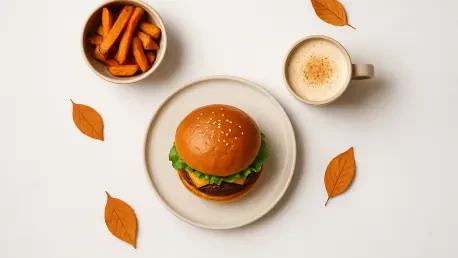
The phenomenon known as seasonal creep has reached a new peak in 2026, with pumpkin spice and comfort-themed menus appearing as early as mid-August. This aggressive timing is driven by a desire to beat competitors to the punch and capture the initial wave of autumn cravings. For many diners, the first sip of a pumpkin latte signals the psychological start of the new season, regardless of the actual temperature outside.
To stand out in a market saturated with pumpkin, brands like Chick-fil-A and PJ’s Coffee are diversifying their autumn offerings with flavors like maple, s’mores, and bananas foster. These profiles provide a sophisticated alternative for consumers who may be experiencing pumpkin fatigue but still desire the cozy, indulgent sensations associated with fall. This diversification allows restaurants to cater to a broader range of palates while still capitalizing on the seasonal trend.
It is a mistake to assume that consumers only want hot, heavy flavors as soon as the calendar turns; frozen and chilled treats remain exceptionally popular. The success of items like the Portillo’s Dr Pepper Cake Shake demonstrates that innovative, cold desserts can bridge the gap between summer heat and autumn indulgence. Maintaining a balance between traditional warm fall flavors and refreshing, creative treats is essential for sustaining sales during the unpredictable weather of early autumn.
Transforming Viral Social Media Moments into Tangible Menu Innovation
The traditional research and development cycle is being disrupted by the speed of social media, where a single viral video can now dictate national product launches. Taco John’s recently proved this by turning an influencer’s “Fat Grilled Burrito” concept into a real menu item in record time. This agility suggests that the voice of the consumer, amplified through platforms like TikTok and Instagram, is becoming a primary engine for corporate innovation.
This social-first approach contrasts sharply with the slow, multi-year planning cycles of the past. Brands that are willing to take risks on unpolished, community-generated ideas often find greater success with younger audiences who value authenticity over corporate perfection. By listening to how fans are already customizing their orders, restaurants can discover new flavor combinations that have a built-in audience.
Looking ahead, the role of consumer-generated content in menu development is likely to expand even further. We may soon see restaurants using real-time social data to launch hyper-local specials or limited runs based on trending ingredients in specific cities. This level of responsiveness will likely become a standard requirement for any brand wishing to remain relevant in a digital-first dining environment.
Proven Tactics for Sustaining Momentum into the Fourth Quarter
As restaurants look toward the end of the year, several tactics have emerged as particularly effective for maintaining momentum. Early access for app users remains a powerful tool for driving digital adoption, while day-of-the-week specials help stabilize revenue during non-peak hours. These consistent, value-driven offers provide a reliable foundation that complements the excitement of larger, headline-grabbing promotions.
Flavor profiles are also shifting to align with the arrival of the football season, with a renewed focus on smoky, Western-style sauces and hearty, shareable items. Introducing these profiles early allows brands to tap into the atmosphere of game-day gatherings even before the peak of the season. By offering items that feel substantial and festive, operators can satisfy the appetite for comfort that defines American dining in the cooler months.
Ultimately, the roadmap for success involves a delicate balance between novelty-driven marketing and the consistent value that price-sensitive diners currently demand. While a flashy celebrity tie-in might bring a customer through the door once, it is the quality of the food and the perceived value of the meal that will keep them coming back. Operators must ensure that their core menu remains strong even as they experiment with bold new seasonal additions.
Final Reflections on the New Standard of Seasonal Competition
The evolution of the late-summer restaurant playbook demonstrated a remarkable blend of agility, nostalgia, and hyper-seasonality. Brands that successfully navigated this transition did so by embracing a diverse array of strategies, from budget-friendly anniversary celebrations to high-tech influencer collaborations. This period proved that meeting consumers exactly where they were—whether they sought a nostalgic discount or an Instagram-worthy novelty—was the most effective way to secure brand loyalty.
Moving forward, the industry recognized that event-driven dining would continue to be a primary driver of consumer behavior. The ability to turn a cultural moment or a viral trend into a tangible menu item became a crucial skill for marketing and culinary teams alike. Operators who maintained a flexible approach and remained open to experimental strategies found themselves better positioned for the challenges of the upcoming winter rush.
Final insights suggested that the brands that won the early fall season were those that offered more than just food; they offered an experience that resonated with the current cultural climate. By prioritizing both value and creativity, these restaurants set a new standard for seasonal competition. These successful tactics provided a clear roadmap for any hospitality business looking to remain relevant in an increasingly fast-paced and digital-first marketplace.