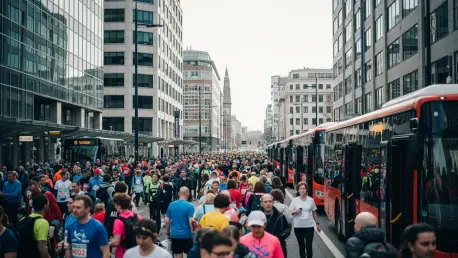

The Phoenix Energy Belfast City Marathon serves as a massive logistical undertaking that transforms the urban landscape of Northern Ireland’s capital into a vibrant theater of endurance and community spirit every year. On May 3, 2026, thousands of athletes, relay teams, and recreational walkers will converge upon the city to tackle the classic 26.2-mile course, necessitating a highly synchronized transportation network to maintain order. Navigating a major metropolitan area during such a significant sporting event requires more than just physical preparation; it demands a comprehensive understanding of the specialized transit systems put in place by organizers. From the sprawling lawns of Stormont Estate to the lively finish line at Ormeau Park, the success of the day hinges on the seamless integration of shuttle buses and regional rail. By prioritizing these public infrastructure options, the city manages to mitigate the inevitable congestion that arises when traditional road arteries are repurposed for foot traffic and celebration.
Optimizing Mobility Across the Urban Course
Integrated Shuttle Bus Networks: The Morning Transit
The primary mechanism for moving large volumes of people between the dispersed event locations is the comprehensive shuttle bus system, which functions as the backbone of the day’s logistics. Participants aiming to reach the starting line at Stormont Estate must utilize the early morning departures from Belfast City Hall and Lanyon Place Train Station, which operate between 7:00 am and 8:00 am to ensure everyone arrives well before the starting gun. Once the race commences, the focus shifts toward the spectators who wish to witness the emotional conclusion at Ormeau Park. Specialized services from Massey Avenue facilitate this movement, allowing friends and family to bypass road closures and arrive at the finish area in time to greet the runners. This strategic deployment of transit resources ensures that the influx of visitors does not paralyze the city center, providing a reliable alternative to private vehicles that would otherwise struggle with limited access.
Efficient Dispersal: Returning From the Finish Area
Following the completion of the race, the logistics plan transitions into a recovery and dispersal phase to ensure that tired participants and their supporters can return to the city hub efficiently. Shuttles from Ormeau Embankment back to the city center begin in the late morning and continue until 4:00 pm, maintaining a frequent cadence to handle the peak demand. A critical detail for those who parked near the start is the designation of every third bus, which is specifically tasked with returning passengers to the Stormont area rather than the central business district. This tiered approach to return transportation prevents bottlenecks at the finish line and acknowledges the diverse geographic origins of the attendees. By providing these complimentary services, organizers effectively centralize the movement of thousands, significantly reducing the environmental impact and the logistical headache of individual navigation through a city that has been fundamentally reshaped for the day.
Technical Coordination for Specialized Categories
Relay Team Coordination: Managing the Exchange Points
The complexity of the Belfast City Marathon is significantly increased by the Team Relay event, which requires precise timing to transport runners to various changeover points scattered throughout the city. To manage this, a dedicated shuttle service operates from Annadale Embankment between 8:00 am and 10:00 am, ferrying relay participants to critical junctions such as Montgomery Road, Boucher Road, Falls Road, and Duncairn Gardens. This specialized transit loop is essential for maintaining the rhythm of the race, as it ensures that each leg of the relay is staffed by runners who have arrived safely and on schedule. Without this centralized transport, the pressure on the local road network would be insurmountable, likely leading to delays that could disrupt the entire event timeline. The reliance on these coordinated shuttles allows participants to focus on their performance rather than the stress of navigating through complex road closures during competition.
Strategic Parking Solutions: Final Logistics and Implementation
The success of the Belfast City Marathon ultimately depended on the collective commitment to a pre-planned logistical framework that prioritized efficiency and public safety. Participants who studied the transport maps and arrived at shuttle pick-up points ahead of schedule avoided the stress of navigating the extensive road closures that defined the day’s traffic management. The use of the Translink app and the adherence to the specific return bus schedules from Ormeau Embankment ensured that the post-race experience was as smooth as the morning arrival. Those who utilized the dedicated relay shuttles found that the transition between race legs was handled with professional precision, allowing the athletic competition to remain the primary focus. Looking forward, the integration of real-time transit tracking and expanded regional rail options proved to be the most effective way to manage the growing footprint of this major sporting event. The marathon established a clear blueprint by demonstrating that robust public infrastructure is the only viable solution for urban gatherings.